
World Probation Congress in Bali Formulates Ideal Inmate Rehabilitation Model
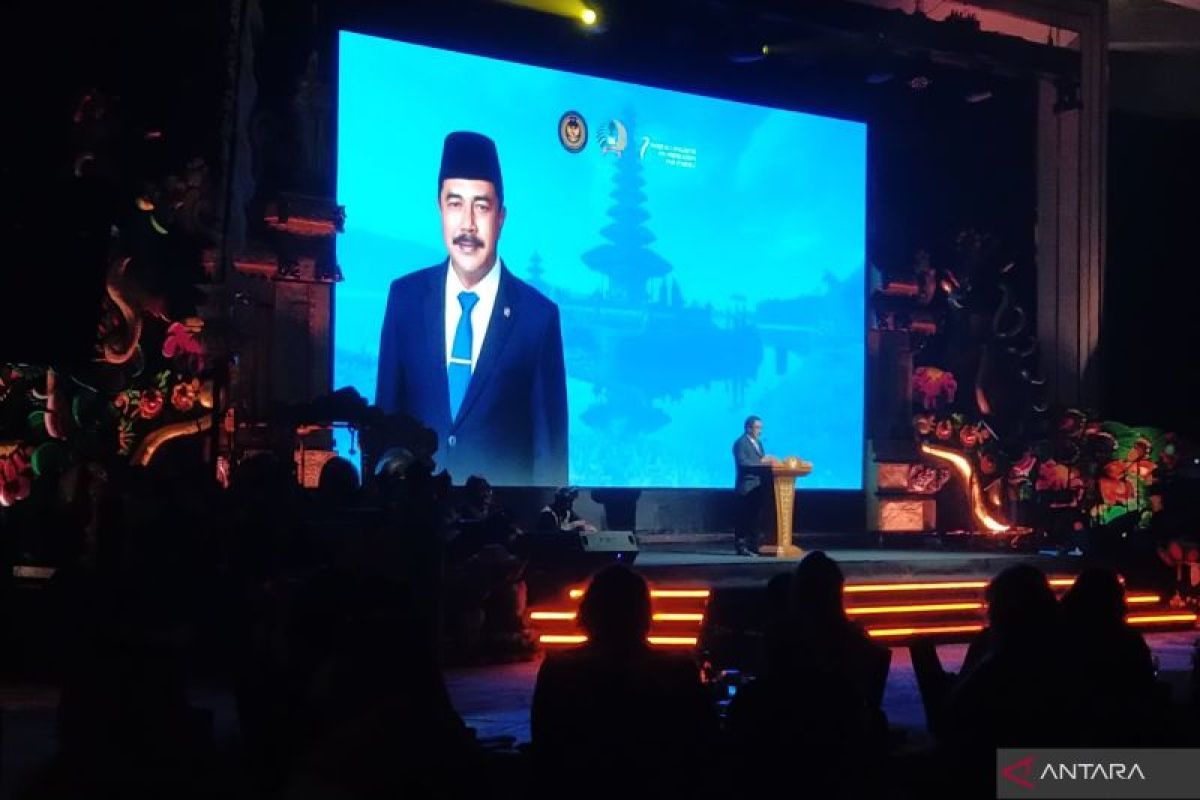
Nusa Dua, Bali - The 7th World Congress on Probation and Parole (WCPP) in Bali has formulated an ideal model for rehabilitating inmates, emphasising smarter justice, restoration, and social harmony.
“The results (of the formulation) serve as recommendations and a reference for inmate rehabilitation patterns in correctional systems worldwide,” said Minister of Immigration and Correctional Services (Imipas) Agus Andrianto during the opening of the 7th WCPP at the Bali International Convention Center (BICC) in Nusa Dua, Badung Regency, Bali, on Tuesday.
According to him, the current punishment system is shifting from imprisonment towards restorative efforts.
The Minister of Imipas explained that correctional approaches are now directed to be less rigid, becoming smarter and based on data and scientific evidence.
Thus, he continued, the correctional system does not only focus on prison cells but considers efficient alternative efforts, including in terms of budget, without reducing the essence of justice values.
The second concept is restoration, where the law is no longer an instrument of retribution but a means of social reintegration for offenders, victims, and society.
Then, the third is social harmony by breaking the chain of recidivism through assistance, coaching, and supervision by the Correctional Body (Bapas).
In the World Congress on Probation and Parole (WCPP) meeting, he added, more than 400 delegates from 40 countries shared experiences related to inmate rehabilitation patterns.
Indonesia, said the Minister of Imipas, also shared the country’s correctional model that emphasises empowerment for inmates as provision for their return to society.
“The pattern we implement differs from other countries. However, we will exchange experiences; later, we will see which is the most ideal, what is suitable to be applied in our country, and what they find suitable with our rehabilitation pattern,” he added.
In the congress, all 33 provinces in Indonesia displayed the works of inmates in an exhibition featuring crafts, fashion, and micro-businesses.
Additionally, preparations such as decorations and entertainment in the form of music and contemporary dance were all carried out and performed by inmates from Bali as an example of inmate empowerment presented to the world’s correctional delegates.