
What is El Niño? Predictions for 2026 and Anticipatory Measures for Its Impacts
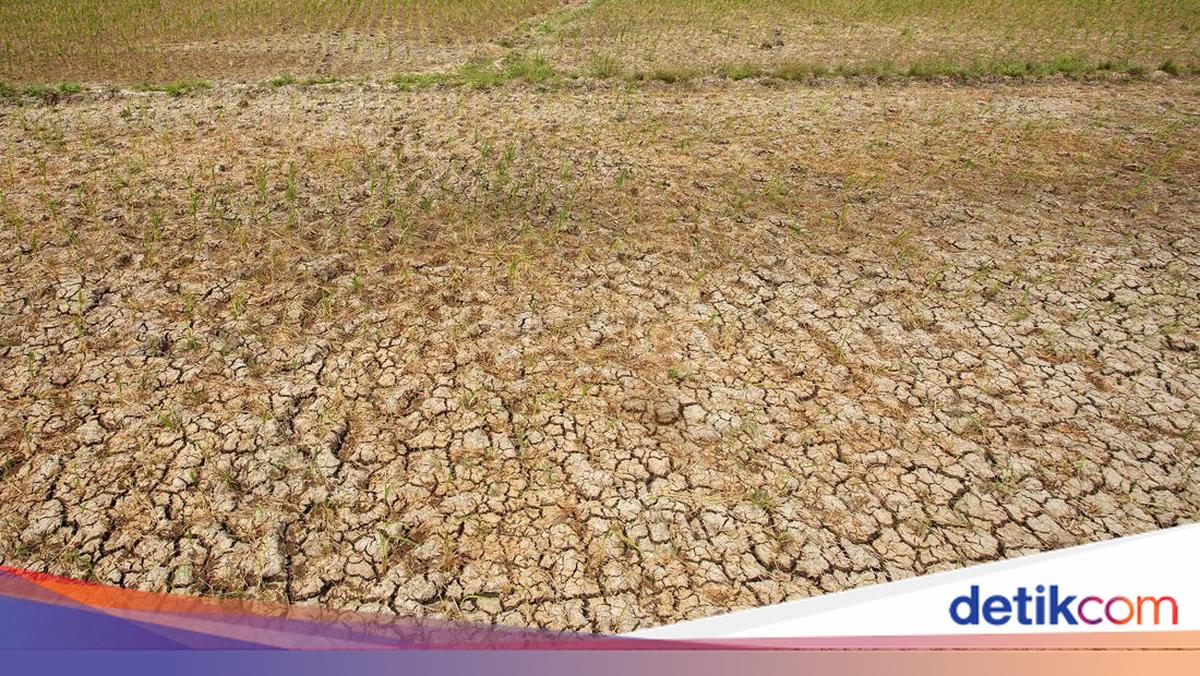
Citing the official BMKG website, El Niño is a phenomenon involving the warming of sea surface temperatures (SST) above normal levels in the central and eastern Pacific Ocean. This warming of SST causes a shift in cloud growth potential from Indonesian regions to the central and eastern Pacific Ocean.
Some facts about El Niño:
El Niño recurs every 4-7 years
El Niño causes drought in Indonesia
The impacts of El Niño need to be anticipated
Predictions for El Niño in Indonesia in 2026
Deputy for Climatology at BMKG, Ardhasena Sopaheluwakan, explained that BMKG also predicts the possibility of the El Niño phenomenon developing in the second half of this year. Until the end of March 2026, the El Niño-Southern Oscillation (ENSO) and Indian Ocean Dipole (IOD) conditions are still observed in a neutral phase.
However, climate modelling indicates that ENSO could develop into an El Niño phase in the second half of 2026.
“At present, BMKG’s prediction for the intensity of El Niño is in the weak to moderate category with a 50-80% chance, and notes a small possibility (less than 20%) that this phenomenon could develop into a strong category,” he said.
BMKG reminds of the importance of caution in interpreting current prediction data due to the spring predictability barrier phenomenon—a drastic decline in the accuracy of weather and climate model predictions for ENSO as the Northern Hemisphere passes through the spring period (March, April, May). The accuracy of El Niño predictions produced during the March-April period is generally reliable only for forecasts three months ahead, thus requiring expertise in understanding the multi-factor interactions that cause the emergence of El Niño conditions and its teleconnections to Indonesian regions.
For this reason, BMKG needs to continue monitoring data updates periodically and assessing their developments.
In line with this, the confidence level regarding the intensity of El Niño will be higher in the May 2026 prediction results. Statistically, predictions in May have better reliability for covering climate conditions up to six months ahead.
“Although the exact intensity is still developing, BMKG emphasises that the 2026 dry season is predicted to be drier and last longer than the normal average, also as a contribution from natural climate variability in Indonesian regions,” he clarified.
Anticipating the Impacts of El Niño in Indonesia
El Niño is predicted to begin occurring in several regions in mid-2026. This phenomenon has the potential to cause a longer dry season than usual.
This condition can affect water availability, particularly for agricultural irrigation needs. Therefore, the government is preparing anticipatory measures as follows to keep food production running.
- Water supply is maintained to remain stable during the dry season
Reservoirs are key to maintaining irrigation water supply, especially in Central Java as a food barn. For example, the Gajah Mungkur Reservoir with a water volume of approximately 340 million m³ (effective capacity of approximately 260 million m³) to support irrigation.
These are some efforts to maintain reservoir capacity:
4 dredger ships are operated to reduce sediment deposits.
3 closure dikes are built to hold sediment from the Keduang River.
Tree planting in upstream areas to improve and maintain the water catchment area.
Weather modification operations (artificial rain).
- National food stocks are ensured to be safe for up to 11 months ahead
Rice stocks:
Bulog: 4.5 million tons
Private sector (horeca): 12.5 million tons
Harvest potential (standing crop): 11 million tons
Government Food Reserves (CPP) are also strengthened:
Corn: 168 thousand tons
Sugar: 49 thousand tons
Cooking oil: 121 thousand kilolitres
Beef and buffalo meat: 11 thousand tons
With optimal water management and maintained food stocks, the government ensures that the impacts of El Niño on food supplies can be minimised. These steps are part of efforts to maintain national food security stability amid climate change.