
WFH for Civil Servants Every Friday, Minister of PANRB: Still Working Full Five Days
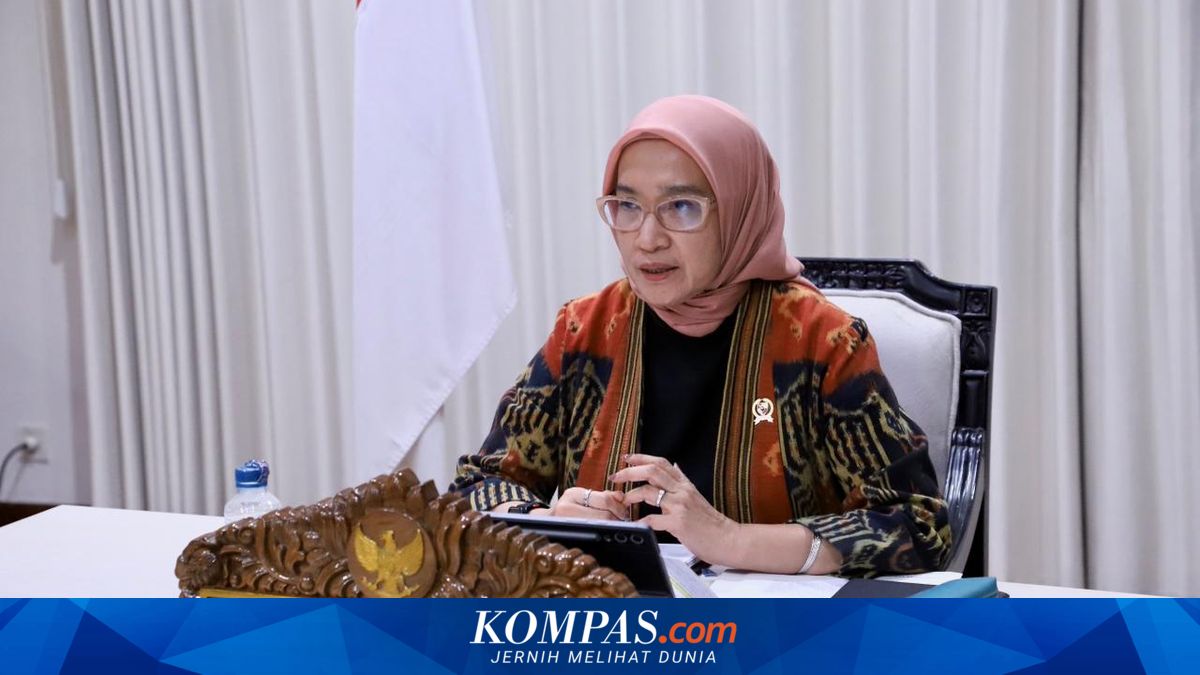
JAKARTA - The Minister of State Apparatus Utilization and Bureaucratic Reform (PANRB), Rini Widyantini, has emphasised that civil servants (ASN) must continue working a full five days during the implementation of work-from-home (WFH) every Friday. In this flexible working system, Rini still demands high discipline and accountability from every ASN. “Every ASN is bound by measurable Employee Performance Targets. Supervision is carried out through electronic systems, not just physical attendance. ASN must still work a full five days with the same performance targets,” Rini stressed in her official statement on Friday (10/4/2026). Every agency leader, Rini said, has direct responsibility to monitor and ensure that their subordinates’ performance remains optimal during WFH implementation. In addition, every Personnel Development Official/Agency Leader is obliged to monitor and supervise the achievement of their subordinates’ performance targets. Evaluation of the effectiveness of the implementation must be reported to Rini no later than the 4th of the following month. This policy also encourages the acceleration of digital-based government implementation. It is hoped that through the utilisation of technology, all ASN work activities can be documented systematically, thereby strengthening accountability aspects. “The regulatory framework is already in place through Presidential Regulation Number 21 of 2023 on ASN Working Days and Hours, which is then detailed in Minister of PANRB Regulation Number 4 of 2025 on the Implementation of Flexible Official Duties in Government Agencies. Meanwhile, the system and digital infrastructure are supported by Presidential Regulation Number 95 of 2018 on Electronic-Based Government Systems,” Rini explained. With digital supervision support and ongoing evaluations, ASN performance remains maintained and increasingly accountable. “The implementation of work flexibility is carried out effectively according to criteria, supervision, and support for information systems and the utilisation of appropriate digital technology,” Rini stated.