
US accuses Russia and China of shielding Iran at UN Security Council
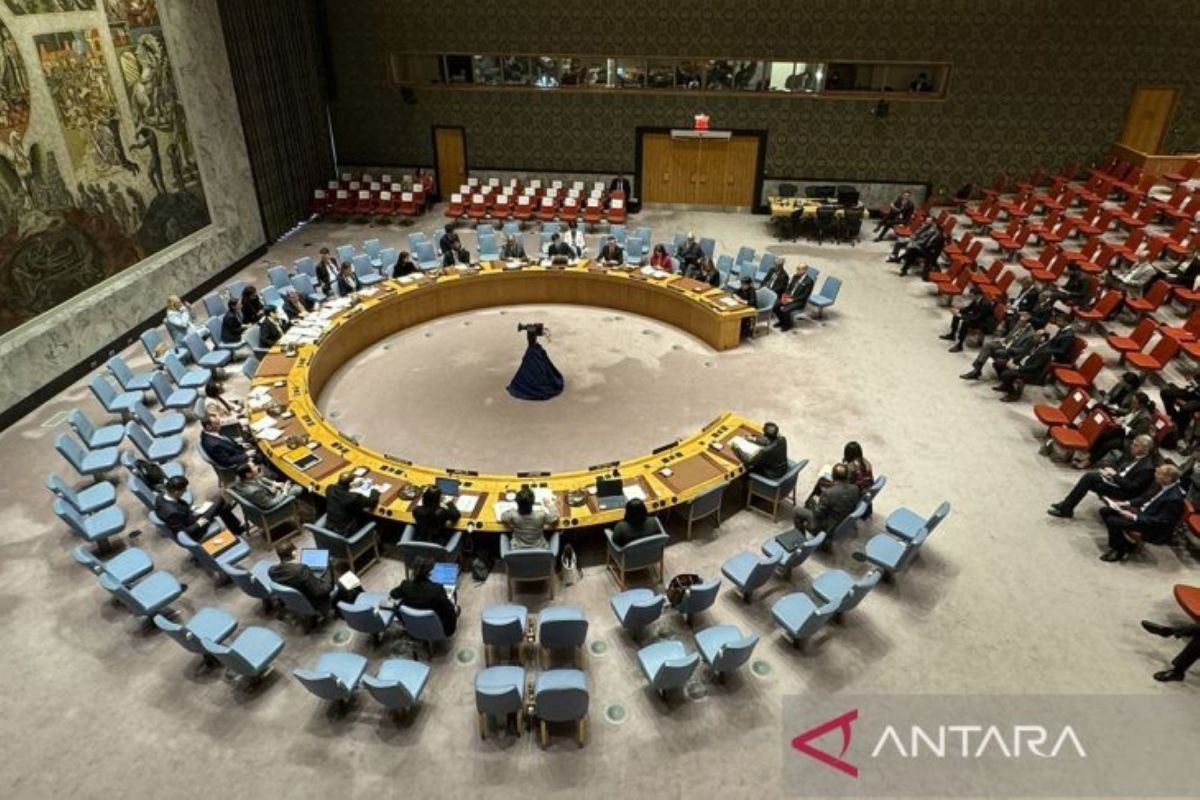
Hamilton, Canada — The US envoy to the UN, Mike Waltz, on Thursday 12 March accused Russia and China of obstructing the UN body responsible for monitoring sanctions against Iran to shield Tehran from international oversight.
Calling for an end to “feigned concern” in the process, Waltz told the Security Council during a mandatory meeting of the Sanctions Committee 1737 that “the reality is that Russia and China do not want this committee because it will continue to protect their partner, Iran.”
Established in December 2006, the committee is obliged to report its activities to the Council every 90 days.
The session opened with Russia’s UN envoy, Vassily Nebenzia, urging a procedural vote to reject the meeting. Nebenzia argued that the E3 — the UK, France and Germany — had no right to activate the “snapback” mechanism and criticised the US for withdrawing from the Joint Comprehensive Plan of Action (JCPOA) in 2018.
China’s envoy, Fu Cong, expressed support for the procedural motion, calling the E3’s activation of the snapback mechanism procedurally and legally flawed.
On 28 August 2025, the E3 announced the activation of the “snapback” mechanism to reimpose UN sanctions against Iran, accusing Tehran of non-compliance with the 2015 nuclear agreement following the US’s unilateral withdrawal from the deal in 2018.
Israel, the US and several European nations accuse Iran of seeking to develop nuclear weapons, whilst Tehran insists its nuclear programme is purely peaceful, intended for power generation and civilian use.
Waltz rejected these allegations, stating that the “obstruction” was “based on dishonest and unfounded reinterpretation of events,” and that Russia and China have maintained military trade ties with Iran that violate UN resolutions.
“Given this, the United States will continue to work to ensure Iran can no longer hold the world hostage with its missile programme, drones, and of course not its nuclear programme,” Waltz told the Council.
Nebenzia accused the US, currently holding the Security Council presidency, of committing a “legal breach.”
“The Russian Federation sees no reason to reactivate the Security Council Committee 1737,” he said.
“We deeply regret that Western delegations insist on attempting to legalise their claims,” he added.
He argued that Russia and China “have made every effort” to avoid complex legal and procedural situations during the intense dispute over the “reactivation” (snapback) mechanism.
Nebenzia contended that the US “has no legal basis to raise the issue of reactivating the anti-Iran Security Council resolution and restoring Committee 1737.”
China’s envoy Fu Cong said he would not comment on Committee 1737.
“The United States and Israel must immediately cease their military operations, refrain from attacking Iran’s nuclear facilities under IAEA (International Atomic Energy Agency) supervision, avoid further escalation of tensions and prevent conflict from spreading throughout the Middle East,” he said.
Calling on the Security Council to “help the parties build trust and bridge differences,” Fu also urged “certain countries” to “stop manipulating the Council for political purposes.”