
Undana Explores Vocational and Cultural Collaboration with Chinese University
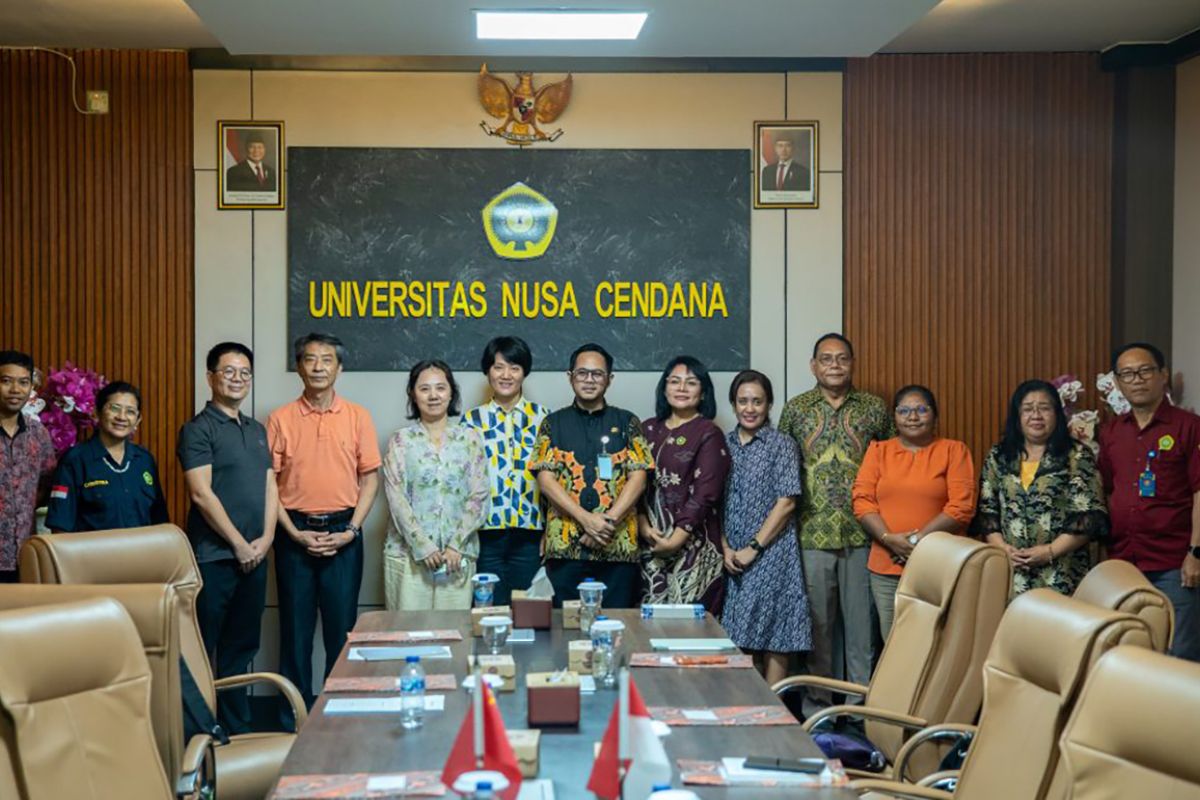
Kupang (ANTARA) - Universitas Nusa Cendana (Undana) in Kupang, NTT, is exploring strategic cooperation in vocational education, research, and cultural exchanges with Jiangxi Science and Technology Normal University, China, as part of efforts to expand the campus’s international networks. Rector of Undana, Prof. Jefri S. Bale, in Kupang after a meeting with representatives from the university, stated that the international cooperation being built must have a tangible impact on regional development, particularly in improving the quality of human resources. “We want this cooperation to be global yet contextual. The partner institution has strengths in vocational learning systems that cover the entire industrial chain. This is very strategic for enhancing our human resource capacity in agriculture and animal health,” he said. He explained that the focus of the cooperation is directed towards strengthening vocational education in modern agriculture, livestock, fisheries, and renewable energy sectors that align with the characteristics of the NTT region. In addition to academic strengthening, the meeting also discussed opportunities to establish a Confucius Institute at Undana as a centre for learning Chinese language and culture for students and the general public in NTT. Undana views this synergy as part of the campus’s transformation towards becoming a world-class university while remaining grounded in empowering local potential. Representative from Jiangxi Science and Technology Normal University, Prof. Tao Xian Guang, said that developing cooperation units such as the Confucius Institute needs to be adapted to the needs and characteristics of the region. “Undana must have its own colour in building this cooperation to provide unique added value,” he stated. This exploration also opens opportunities for developing student and lecturer exchange programmes, joint degrees, and cross-country collaborative research. Through this cooperation, it is hoped that educational innovations will emerge that can drive improvements in community welfare in NTT.