
Transport Operators Identify Root Causes of Severe Congestion at Gilimanuk Port
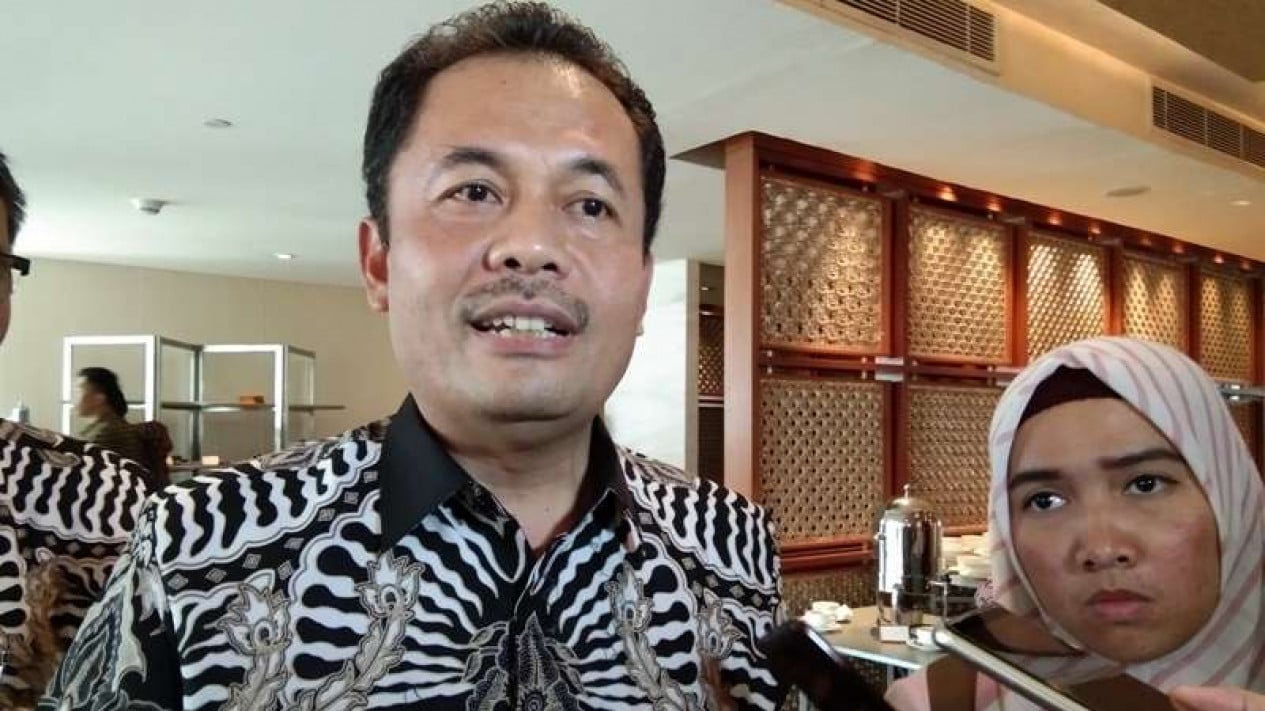
The Chairman of the National Association of River, Lake and Ferry Transport Operators (Gapasdap), Khoiri Soetomo, has identified the causes of severe congestion on routes leading to Gilimanuk Port in recent days.
He explained that two major traffic flows converged simultaneously: the Lebaran exodus and Balinese residents departing ahead of Nyepi celebrations, causing vehicle volumes to increase significantly within a narrow timeframe.
Beyond the traffic surge, the congestion also reveals that the vehicle arrival system at the port remains suboptimal. “The main problem is not just the increase in vehicles, but also the lack of a properly organised vehicle arrival system at the port and the imbalance between the growth in ship fleet and the development of dock infrastructure, in terms of quantity, quality and capacity,” Khoiri stated on Monday, 16 March 2026.
According to him, the ferry transport mode currently remains highly unregulated compared to other transport modes. Vehicles can proceed directly to the port without a ticket or booking code. This causes vehicles to arrive simultaneously in large numbers without clear time management, leaving the port without sufficient mechanisms to control vehicle flow from upstream.
Additionally, improvements in road infrastructure, including tolls, have accelerated vehicle flows to the port. However, the expansion of dock capacity as a continuation of this transport system has not developed proportionally. When dock capacity is limited, it becomes a bottleneck, creating unavoidable long queues of vehicles that eventually extend beyond the port onto national highways.
“Tolls accelerate vehicles towards the port, but dock capacity has not increased proportionally. When the dock becomes a choke point, vehicle queues become inevitable and the road to the port turns into a vehicle parking lot,” he said.
Khoiri emphasised that this situation requires collective attention to prevent recurring annual congestion. He believes that systematic steps are needed to reform the ferry transport system.