
Transformation of Work Culture Based on WFH
The government, through Circular Letter No. M/6/HK.04/III/2026 from the Minister of Manpower, has implemented a Work From Home (WFH) scheme for one day per week. This policy transforms the national work culture into one that is adaptive and efficient.
Amid a global economy that continues to erode fiscal resources, optimising the use of energy and resources is key to strengthening sustainable national economic resilience. This step is highly strategic for the nation’s future.
The one-day-per-week WFH policy relies on the strength of the national digital foundation. The change requires every organisation, both public and private, to migrate from conventional work patterns to a digital system.
The use of management applications, online attendance systems, and visual collaboration platforms enables coordination to proceed without distance-related obstacles. Digitalisation serves as an instrument for controlling productivity in a more transparent system.
Every work system and Key Performance Indicator (KPI) achievement can be monitored and recorded in real-time. This mechanism ensures that the shift in work activities remains controlled.
This mechanism ensures that WFH is a shift in work activities to an energy-efficient space, yet still administratively controlled. This maintains the integrity of professionalism in every state task.
Machine of Efficiency
From the perspective of public management, WFH acts as a machine of efficiency. Suppressing operational costs and creating savings from reduced use of office facilities for one day represents a benefit to the budget.
Costs for goods and services, such as clean water usage, office supplies, and routine mechanical-electrical building maintenance, can be significantly reduced. This creates a healthier and more stable fiscal space.
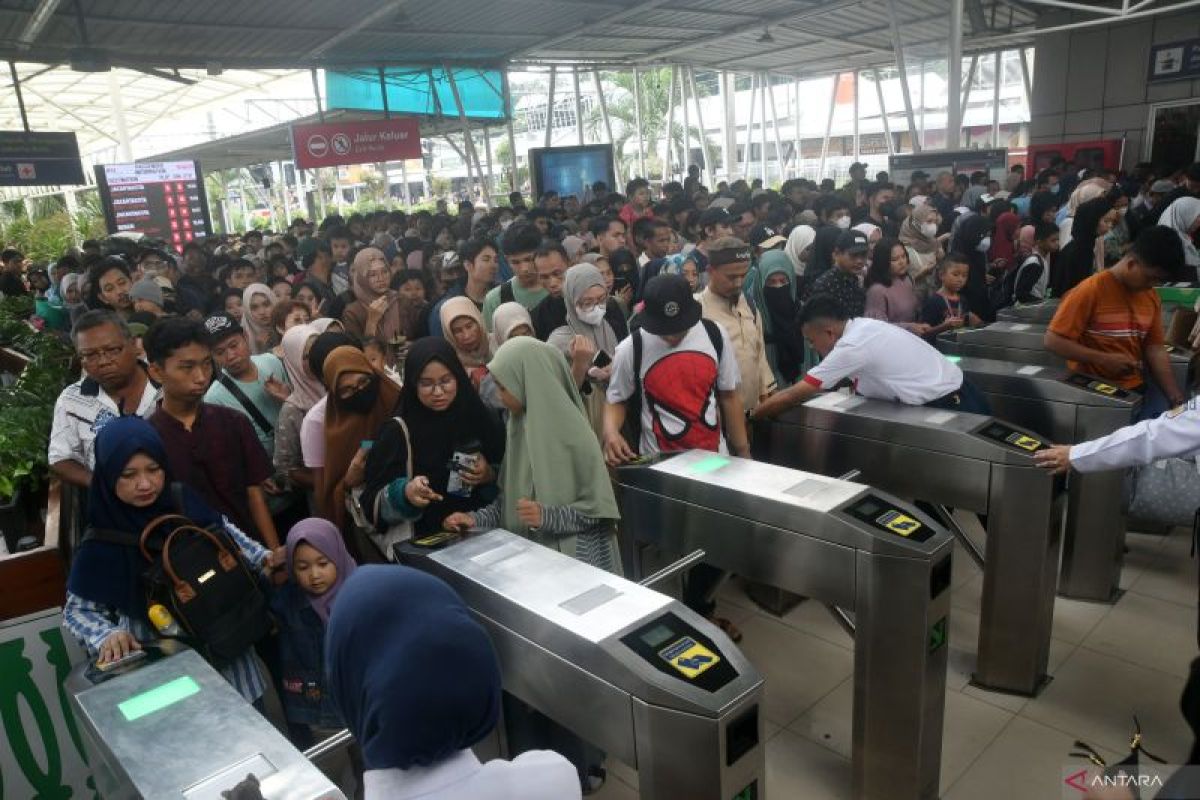
Moreover, time efficiency for workers has a real indirect economic impact. Reducing the duration of home-to-office commutes massively lowers the levels of mental and physical fatigue among employees.
Workers with sufficient rest time will become far more productive. Efficiency will ultimately enhance the competitiveness of Indonesian companies and bureaucracy in facing current global competition challenges.
Indonesia formulates its policy by learning from best practices in various countries. Iceland has proven that reducing working hours without wage cuts can maintain stable productivity.
Belgium grants its employees the right not to connect with work matters outside office hours. This right to disconnect digitally is crucial for preserving workers’ mental health.
Several other countries even implement a four-day workweek system. In the UK, large-scale trials showed that 92% of companies chose to continue the flexible work scheme.
The results included a decrease in employee resignation rates and savings in recruitment costs. Indonesia chooses the one-day-per-week WFH scheme as a form of moderate transition, oriented towards measurable outcomes.
Economic Impact