
The Story of Indonesian Furniture Venturing Far into the Global Market
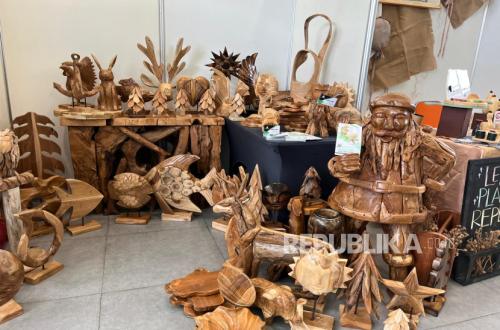
In an exhibition hall in Budapest, Hungary, soft light falls on the surface of meticulously carved teak wood. There are traces of hands, heritage, and stories carried far from the Nusantara archipelago. Among rows of global products, Indonesian furniture is not merely present as merchandise, but as a narrative of culture, perseverance, and identity. From there, a glimmer of good news emerges. Indonesian furniture and home decor products recorded transaction potential of US$743,070 at the Home Design 2026 exhibition. That figure is not just an economic value, but also a sign that local creations are finding a place in the hearts of the Central and Eastern European markets. Head of the Indonesia Trade Promotion Centre in Budapest, Suci Mahanani, views this achievement as a reflection of increasing global market confidence in Indonesian products. It is not only due to their quality, but also the values they carry, from the use of natural materials to sustainability principles that are now a global consumer preference. Behind these products are small and medium-sized enterprises working quietly. They process wood, copper, and even innovative materials like mycelium, then blend them with contemporary design touches. From small workshops in Indonesia, these creations sail far, penetrating geographical boundaries and global market tastes. The same vibrancy is felt domestically. At the Indonesia International Furniture Expo (IFEX) 2026 in BSD, Tangerang, transactions reached US$300 million. Thousands of buyers from 86 countries attended, strolling through exhibition corridors filled with the aroma of wood, natural fibre textures, and evolving ideas. Chairman of the Indonesian Furniture and Handicraft Industries Association, Abdul Sobur, assesses that this achievement demonstrates the strengthening competitiveness of Indonesian furniture. But more than that, IFEX serves as a meeting ground between tradition and innovation, between local artisans and a constantly moving global market. Emerging trends are intriguing. Natural materials like solid wood, stone, and fibres are increasingly sought after, in line with growing awareness of wellness living concepts, a lifestyle that places comfort and closeness to nature as primary needs. Amid global uncertainties, including conflicts in several regions, Indonesia instead has opportunities to strengthen its position. Stability, relatively maintained supply chains, and timber legality systems are factors that keep Indonesian products trusted. However, challenges remain. Rising logistics and energy costs are important notes that need to be anticipated. At this point, the industry is not only demanded to be strong, but also adaptive. Indonesia’s strengths, as acknowledged by industry players, do not solely lie in production. They appear in finer details, in carvings that are more than just forms, in designs that carry stories, and in the cultural heritage embedded in every product.