
Strengthening Border Security, BNPP Accelerates Spatial Planning for Former OBP Simantipal and Sebatik
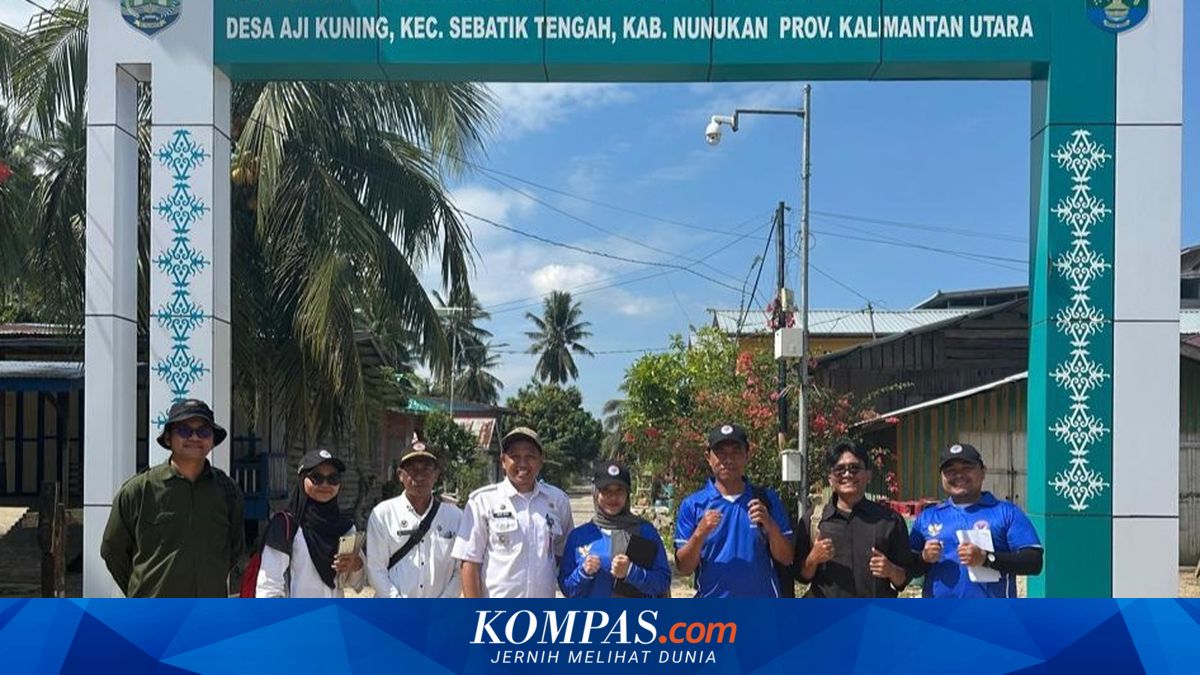
The National Border Management Agency (BNPP) of the Republic of Indonesia, through the Assistant Deputy for Spatial Planning of Border Areas (PRKP), held a forum on Planning for Spatial Arrangement of State Border Areas in the former outstanding boundary problem (OBP) regions of Simantipal, Sebatik Island, and the Sinapad River segment on Thursday (16 April 2026). This cross-ministerial/institutional forum serves as a strategic step to accelerate spatial planning certainty. The meeting also discussed addressing the social and economic impacts on border communities in Nunukan Regency, North Kalimantan (Kaltara). Assistant Deputy PRKP of BNPP RI, Ismawan Harijono, representing Deputy for Border Area Potential Management BNPP RI Inspector General of Police Edfrie R Maith, stated that the forum functions as a coordination space to align perceptions, consolidate policies, and gather data-based inputs in border area spatial planning. “This coordination aims to align national spatial plans with border area, provincial, and regency/city spatial plans, particularly in former OBP areas such as Simantipal, Sebatik Island, and the Sinapad River segment,” Ismawan said in a press release received by Kompas.com on Saturday (18 April 2026). Ismawan explained that Sebatik Island and Simantipal are the main focus of planning due to boundary changes that directly impact land area and utilisation. Meanwhile, 127,336 hectares of company, individual, and royal party land remain under state land status and require clear management. “This situation triggers various issues, from land security, palm oil theft, rampant illegal cross-border routes, to unresolved land status determinations submitted by village governments to the regency government,” he clarified. Furthermore, the PRKP BNPP RI team has conducted direct inspections of the former OBP area on Sebatik Island. From the inspection results, several strategic development proposal points were identified, including a campsite location in Sungai Limau Village, patrol inspection routes along the border, construction of Border Security Posts (Pos Pamtas) and sub-sectors, as well as local market activities in Aji Kuning Village. Regarding this, local communities have proposed a compensation scheme for approximately 778 hectares of impacted land. This is being realised through infrastructure development in Lumbis Hulu and Lumbis Pansiangan Sub-districts. BNPP RI is also pushing for the acceleration of this compensation realisation and priority basic infrastructure development. The infrastructure includes providing alternative roads that do not cross neighbouring countries’ territories, preparing landfill sites (TPA), and improving inter-settlement connectivity. Furthermore, Ismawan emphasised the importance of strengthening the defence and security functions of border areas.