
Sociologist: "Bini Orang" Abaya Trend Inseparable from Pre-Eid Consumer Spending
Jakarta – The viral “Bini Orang” abaya trend on social media ahead of Eid 2026 is considered inseparable from increased consumer spending during Ramadhan.
Andreas Budi Widyanta, a sociologist from Gadjah Mada University (UGM), stated that the Ramadhan and Eid period is frequently leveraged by businesses as an opportunity to stimulate public purchasing interest, including through fashion trends that go viral on social media.
The “Bini Orang” abaya phenomenon demonstrates how consumption trends are formed through a combination of cultural moments and digital marketing strategies in the modern era.
Recently, the term “Bini Orang” abaya has become widely discussed on social media and is one of the fashion models most sought after ahead of Eid.
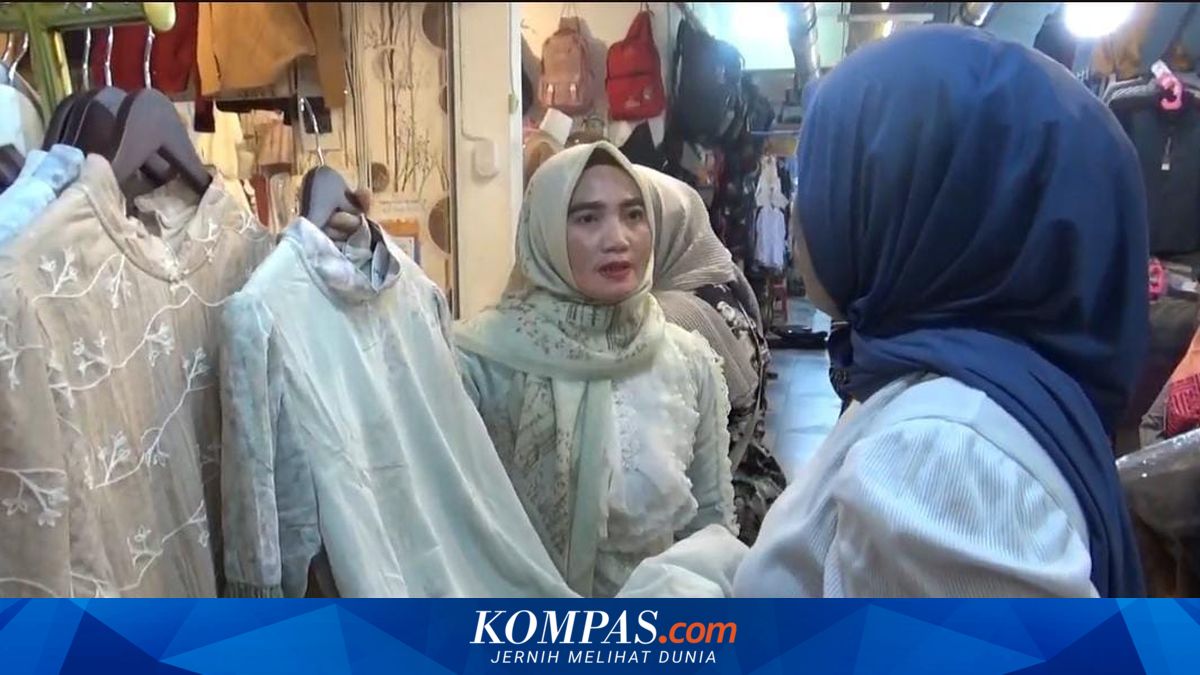
Despite its unique name, this abaya model actually has a fairly simple design. Its distinguishing feature lies in its loose cut with a tiered skirt section that creates curves, appearing to fall elegantly. The abaya typically uses lightweight materials such as rayon, silk, or jersey for comfortable wear.
The trend is becoming increasingly visible in Muslim fashion markets.
Andreas noted that this phenomenon is also linked to the role of social media in accelerating the spread of trends throughout society. Information about a product can spread rapidly and capture public attention in a short timeframe.
“Through social media virality, information about a product can spread very quickly and ultimately attract the attention of many people,” he said.
He explained that this condition makes the public more susceptible to purchasing products that are currently popular, particularly when trends emerge ahead of significant moments such as Eid.
Furthermore, Andreas noted that many people are drawn to trying new trends because they do not wish to fall behind the prevailing current. The combination of cultural momentum, strategic marketing, and the speed of social media dissemination creates powerful drivers for consumer behaviour during festive seasons.