
Senator Inseminator Movement Pushes for Artificial Insemination to Achieve Meat Self-Sufficiency
The livestock sector is Indonesia’s future. If we are serious, it is not impossible for Indonesia to become a new giant in this field.
Jakarta (ANTARA) - The Regional Representative Council (DPD) of the Republic of Indonesia, through the “Senator Inseminator” movement, is pushing for the acceleration of artificial insemination (IB) programmes as a key strategy towards self-sufficiency in meat and milk.
Deputy Chairman of Committee II of the DPD RI, Angelo Wake Kako, stated that artificial insemination is a strategic instrument for rapidly and measurably increasing livestock productivity.
“The livestock sector is Indonesia’s future. If we are serious, it is not impossible for Indonesia to become a new giant in this field,” he said in his statement in Jakarta on Saturday.
He added that the programme also aligns with the major agenda of the Prabowo Subianto administration in promoting the “white revolution”, namely the target of national self-sufficiency in meat and milk.
“The concept is simple; we want the community to be directly involved in the food self-sufficiency agenda, especially in the cattle farming sector,” he said at the “Real Action for Revitalisation of Vocational Education and Vocational Training (PVPV) 2026” event held by the Coordinating Ministry for Human Development and Culture in Bandung, West Java.
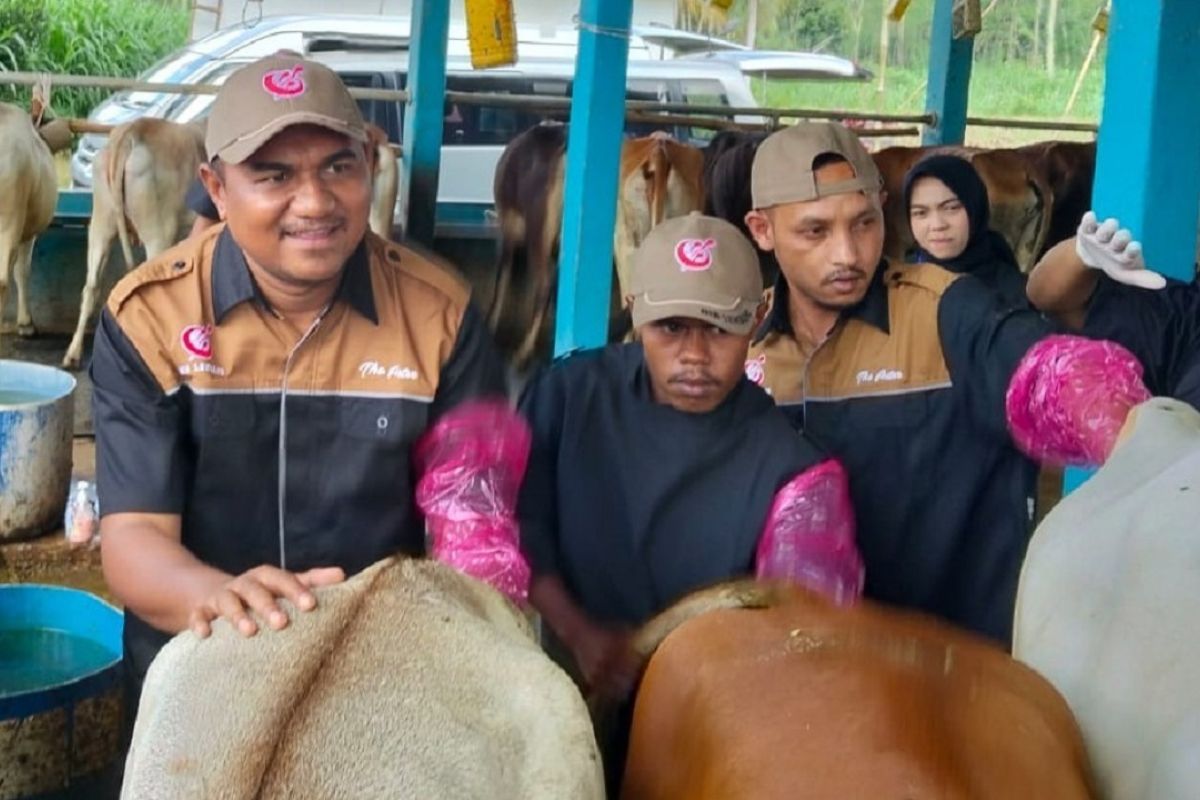
Through the “Senator Inseminator” movement, his side is actively going down to villages to conduct outreach as well as direct practical artificial insemination.
This programme not only focuses on technical aspects but also on building community awareness and active involvement of local farmers.
Artificial insemination is considered to have several advantages, ranging from improving the genetic quality of livestock, increasing regular birth rates, to optimising the use of superior stud semen.
In addition, this method is also deemed effective in suppressing the risk of disease transmission in livestock.
Angelo hopes that this movement can serve as a model for collaboration between the central government, regions, and the community in accelerating self-sufficiency in meat and milk. He emphasised the importance of cross-sectoral synergy so that the programme runs effectively and sustainably.