
SEABW 2026 Concludes in Bangkok as Southeast Asia's Digital Assets Shift from Experimentation to Institutional Adoption
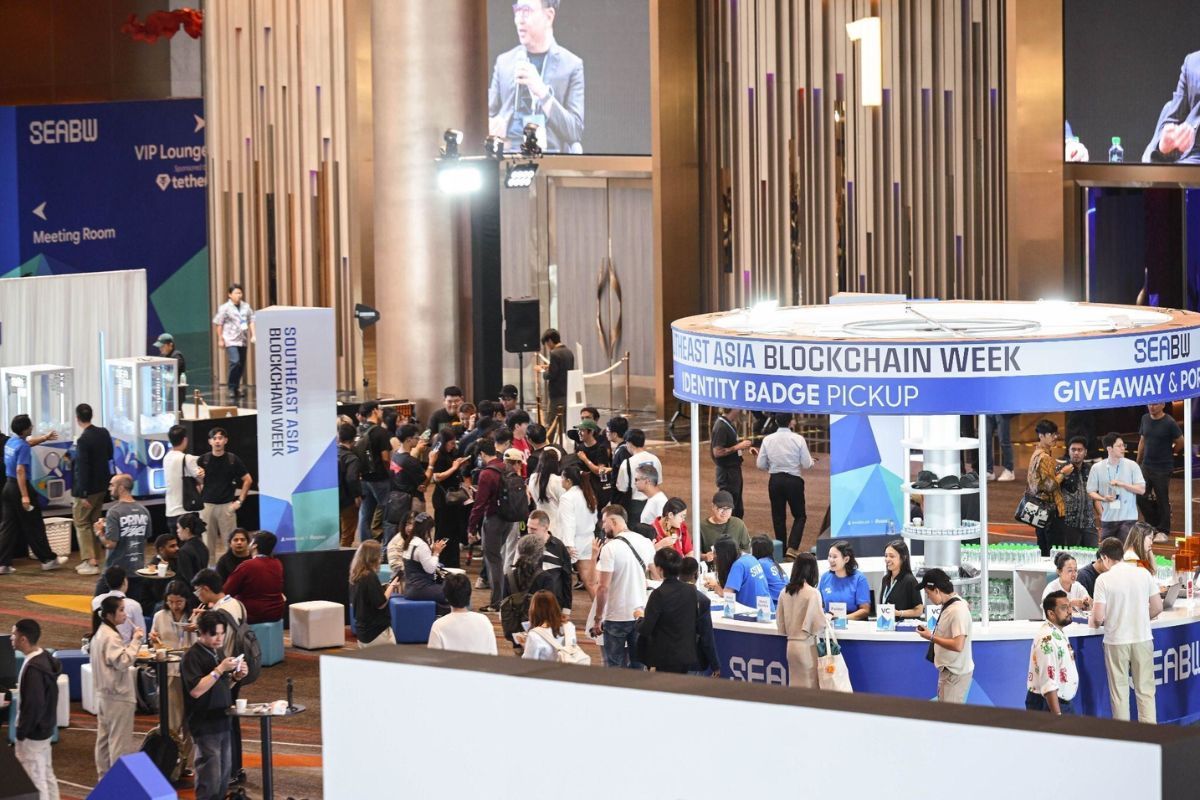
Southeast Asia Blockchain Week 2026 (SEABW 2026), co-organised by global Web3 venture capital firm Hashed (CEO Simon Seojoon Kim) and ShardLab (CEO Hojin Kim), concluded after two days at ICONSIAM Hall in Bangkok. The event brought together regulators from Thailand and Indonesia, leaders from SCbx, Bitkub, and Ascend Bit, and global firms including Circle, Tether, and Solana Foundation — marking Southeast Asia’s transition from experimentation to institutional adoption of digital assets.
The programme was structured around five key themes: Regulatory Frontier; Institutional Verticalization and the Great Convergence; RWA 2.0 and the Industrialization of Tokenisation; Agentic Economy; and Base Layer Imperative. This structure positioned Southeast Asia not as a peripheral emerging market but as a region where global Web3 adoption is being actively tested and implemented.
Policy sessions were led by Butree Vangsirirungruang, Director of the Digital Asset Policy Department at SEC Thailand; the Thailand Digital Asset Association (TDA); and Muhammad Neil El Himam, Deputy for Creative Economy and Technology at Indonesia’s Ministry of Creative Economy (EKRAF). The presence of Southeast Asia’s two largest markets on one stage was a key achievement of the event.
From Thailand’s industry, Kaweewut Temphuwapat (CIO, SCbx / CEO, SCB 10X), Atthakrit Chimplapibul (co-founder Bitkub), and Apinand Dabpetch (MD, Ascend Bit — a TrueMoney blockchain subsidiary under CP Group) discussed Thailand’s digital financial infrastructure transformation. They joined Circle VP Strategy and Public Policy Asia Pacific David Katz, Tether regional head Ploy Boonyavee, Eddy Christian Ng, along with StraitsX, Ripple, BitGo, Anchorage Digital, Canton, Avalanche, Solana Foundation, Xapo Bank, Token X, and AWS — covering topics such as custody, payments, tokenisation, and AI.
Beyond the main stage, SEABW 2026 hosted four closed roundtables on RWA tokenisation and settlement, bringing tokenised products to market, institutional use of AI and Web3, and stablecoin settlement operations. The event also featured a unique format with K-pop group tripleS operated by Modhaus, where NFT holders could vote on group decisions via on-chain fan governance — a real-world example of digital culture and Web3 convergence in Asia.
SEABW 2026 also hosted the SEABW AI Hackathon, a program focused on builders with the theme “Solve a real-world problem around you with AI”. 92 teams from Southeast Asia and other regions competing, with the grand prize awarded to BEBR Bridge for their project RWANDA. RWANDA is an AI-based assessment system that analyses RWA audit reports and assigns trustworthiness ratings for each token, helping retail investors early identify de-pegging risks.
Sponsorship support encompassed the entire institutional ecosystem. Local support came from SCbx, SCB 10X, and InnovestX, alongside Bitkub and Bitazza Thailand exchanges and Token X tokenisation platform. Global partners included Tether, Solana Foundation, Xapo Bank, AWS, SOOHO.IO, AriqoX, Tiger Research, and StayGold.
Ruam Siraranapanta, Head of Digital Asset Business at SCbx, said: “SCbx is proud to continue supporting Southeast Asia Blockchain Week with Hashed and ShardLab. Southeast Asia is entering a new phase of digital asset adoption where infrastructure, regulation, and real-world utilities are beginning to interconnect — and SEABW has become a critical platform for builders, institutions, and policymakers shaping this future”
“Very few markets simultaneously have regulatory clarity and institutional momentum. Bangkok sits precisely at that intersection,” said Hojin Kim, CEO of ShardLab. “As digital assets and AI converge into an agentic economy, our role is to bring together regulators, institutions, and builders in one space — so that the next adoption phase in this region is shaped through dialogue, not in silos.”