
Researcher: Collective commitment needed to break the chain of sexual violence on campuses
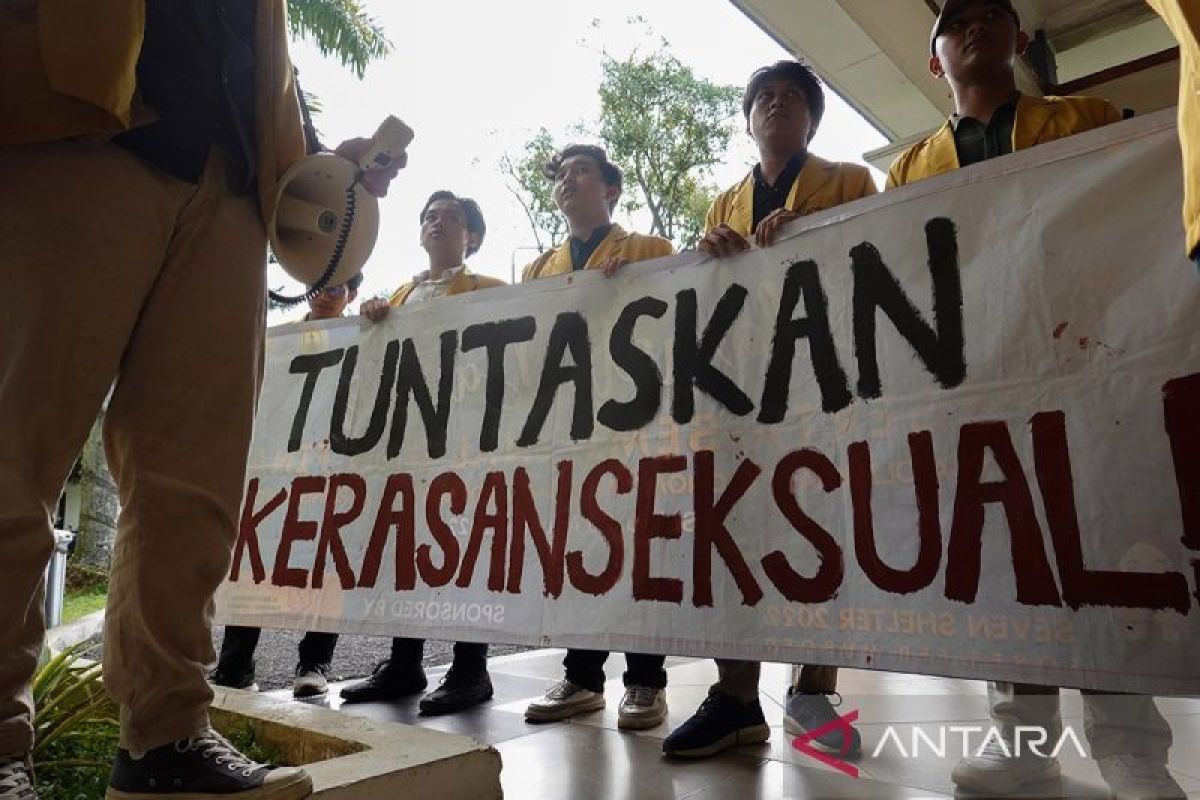
Without a collective commitment to break this chain, safe spaces and regulations for preventing and handling sexual violence on campuses will only remain discourse. Jakarta (ANTARA) - Researcher in the Social Field at The Indonesian Institute (TII), Made Natasya Restu Dewi Pratiwi, believes that a collective commitment is needed to break the chain of sexual violence in the campus environment, alongside the proliferation of cases that have emerged throughout April 2026. Without concrete joint steps, she said, various efforts to provide safe spaces as well as regulations for preventing and handling sexual violence on campuses risk becoming mere discourse. “Without a collective commitment to break this chain, safe spaces and regulations for preventing and handling sexual violence on campuses will only remain discourse,” Natasya stated in Jakarta on Friday. According to her, the government and educational institutions should properly implement a zero-tolerance policy towards sexual violence and ensure the effective implementation of the Sexual Violence Crime Law (TPKS) from a victim-centred perspective. She also emphasised the importance of a strong sexual violence prevention system on campuses, starting from safe reporting mechanisms, early detection systems, to the provision of legal and psychological support for victims. Furthermore, Natasya highlighted cases of sexual harassment occurring through student group chats at several prestigious universities, such as the University of Indonesia (UI) and Bogor Agricultural Institute (IPB), as evidence that sexual violence is not only physical but also non-physical, which is often normalised as jokes. “Sexist jokes and the objectification of women are not trivial matters. This is a form of non-physical sexual harassment that has been regulated in Article 5 of Law Number 12 of 2022 on TPKS and should be processed legally,” she said. According to her, defences of perpetrators under the guise of “just joking” or “occurring in private spaces” reflect the persistence of rape culture in society, where sexual violence is often justified and victims are blamed instead. Referring to the 2025 annual report of the National Commission on Violence Against Women (Komnas Perempuan), Natasya also highlighted patterns of repeated sexual violence on campuses by the same perpetrators, yet not addressed thoroughly. This, she continued, indicates impunity that makes perpetrators undeterred, while victims become increasingly reluctant to report. This condition ultimately creates an unsafe campus environment and disrupts academic freedom. In addition, power relations in the campus environment further complicate victims’ efforts to obtain justice. Therefore, according to her, a collective commitment should emerge to resolve this issue.