
Research needed to create gender-based fair policy
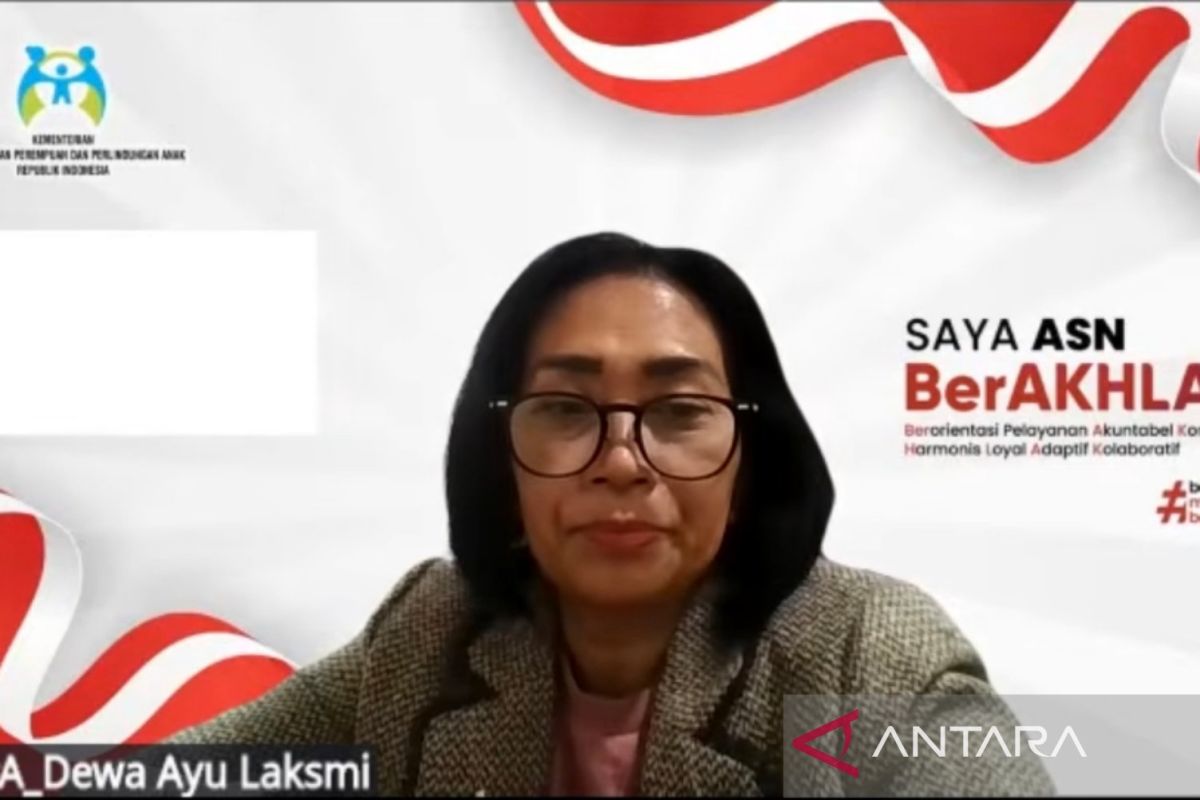
Jakarta – The Assistant Deputy for Gender Mainstreaming in Human Development, Culture, Community Empowerment, and Regional Government at the Ministry of Women Empowerment and Child Protection (KPPPA), Dewa Ayu Laksmiadi Janapriati, has stressed that research support is necessary for creating gender-based policies.
“We need strong research support, such as the availability of comprehensive and sex-disaggregated data. Sex-disaggregated data is therefore very important for understanding the different needs, access, and health experiences between women and men,” Ayu said in an online discussion held in Jakarta on Tuesday.
Ayu emphasised that without such data, health policies risk being gender-neutral but unable to address actual disparities. She noted that strengthening the data system could utilise various sources, including national health surveys, data from health facilities, and community-based data.
Specifically, she said, data should paint a more detailed picture of women’s health conditions, including reproductive health, mental health, and invisible care work burden.
“Second, research needs to strengthen an interdisciplinary approach. Women’s health problems are not only clinical but also influenced by educational, economic, environmental, and social factors, as well as gender relations within households, which have significant impact,” she said.
Ayu therefore urged collaboration between health researchers, social scientists, economists, gender scholars, and policy experts as crucial for conducting research that provides comprehensive understanding and enables innovative, contextualised, and effective policy solutions.
Furthermore, she highlighted the need to strengthen research focusing on women’s role in family health resilience. According to Ayu, women often make decisions regarding family nutrition, child care, and healthy living behaviours at home. Research should therefore explore how to enhance women’s capacity in these areas.
“Such research is important to demonstrate that investment in women’s empowerment has broad benefits for health development,” she said.
“Research findings need to be linked to policy formulation and development programmes. Quality research should not stop at academic publication but must be translated into applicable policy recommendations. Therefore, we need mechanisms to strengthen relationships between researchers, policymakers, and programme implementers, so research findings can be directly used in planning and evaluating gender-responsive health policies,” concluded Dewa Ayu Laksmiadi Janapriati.