
Public Works Minister: Road Stability at 93.5 Per Cent to Support Lebaran Exodus
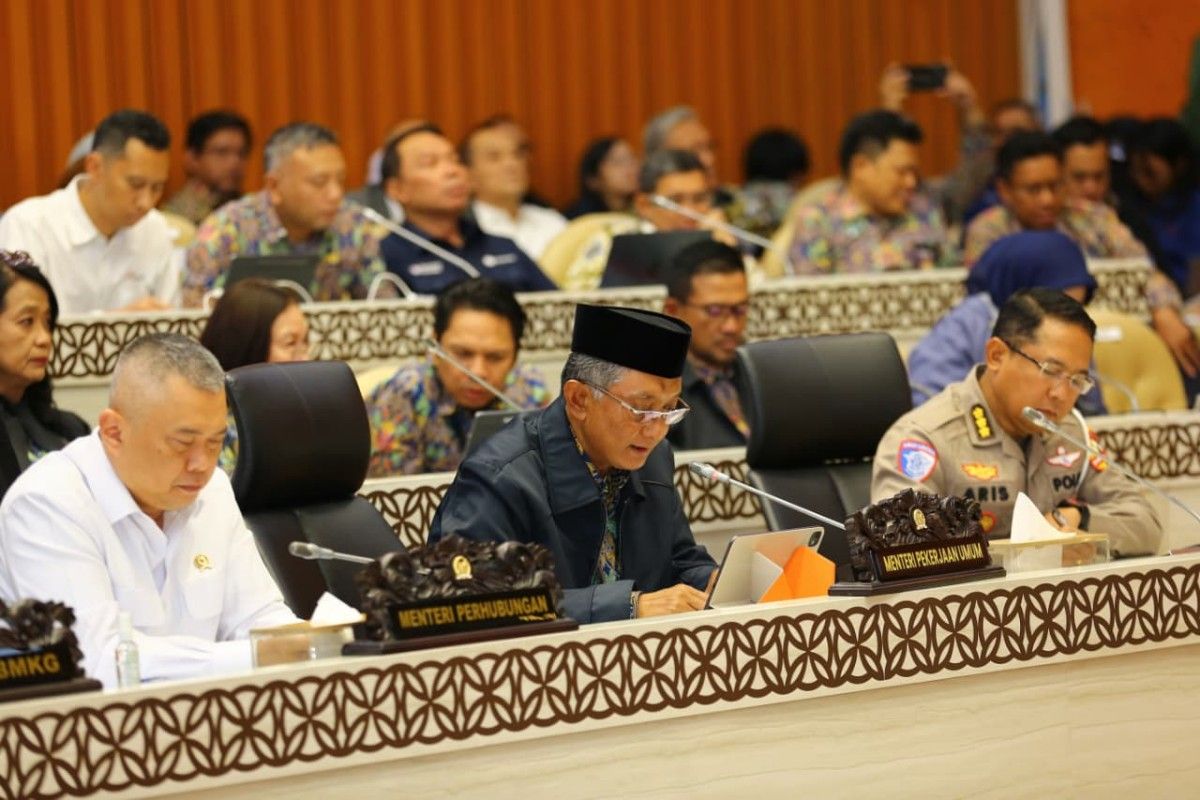
Jakarta – Indonesia’s Minister of Public Works, Dody Hanggodo, announced that the stability rate of non-toll national roads has reached 93.5 per cent, supporting passenger flow during the Lebaran exodus and return journeys this year.
He stated that nationally, the non-toll national road network under the Ministry of Public Works’ responsibility spans approximately 47,603 kilometres, with a stability rate of 93.5 per cent distributed across all regions of Indonesia.
“The Public Works Ministry is committed to ensuring infrastructure readiness and supporting services through Public Works Minister Instruction Number 01 of 2026, which serves as guidance for all work units in preparing for the Lebaran exodus period,” Hanggodo said in a statement in Jakarta on Thursday.
Non-toll national roads form one of the backbone systems for public mobility during the Lebaran period, particularly on major corridors in Java and Sumatra.
Meanwhile, the operational toll road network currently extends approximately 3,115 kilometres, consisting of 76 toll road segments across Indonesia. This network is equipped with 136 rest areas (TIP), 581 toll gates, and is managed by 54 toll road operating entities.
During the Lebaran exodus and return period, an additional 10 toll road segments totalling approximately 291 kilometres will be activated, along with 15 functional rest areas across 9 toll road segments.
The Public Works Ministry is ensuring the readiness of non-toll national roads and toll roads to support smooth traffic flow during the 2026 Lebaran exodus and return journey.
Various measures have been implemented to ensure non-toll national roads, toll roads, and other supporting facilities remain in stable, safe, and comfortable condition for public use.
For context, Transport Minister Dudy Purwagandhi stated that private vehicles, particularly cars, are projected to be the most widely used transport mode during the 1447 Hijri/2026 Gregorian Lebaran transport period.
According to government survey results, private car use is expected to account for approximately 25.98 per cent of total projected population movement during the 2026 Lebaran transport period.
He noted that overall, the number of people estimated to travel during this year’s Lebaran period is approximately 143.9 million across various regions of Indonesia.
After private cars, motorcycles and buses are projected to be the next most heavily used transport modes, also expected to accommodate large volumes of public movement.