
Plastic Pellets Scarce, Bulog: Rice Packaging Stock Still Safe
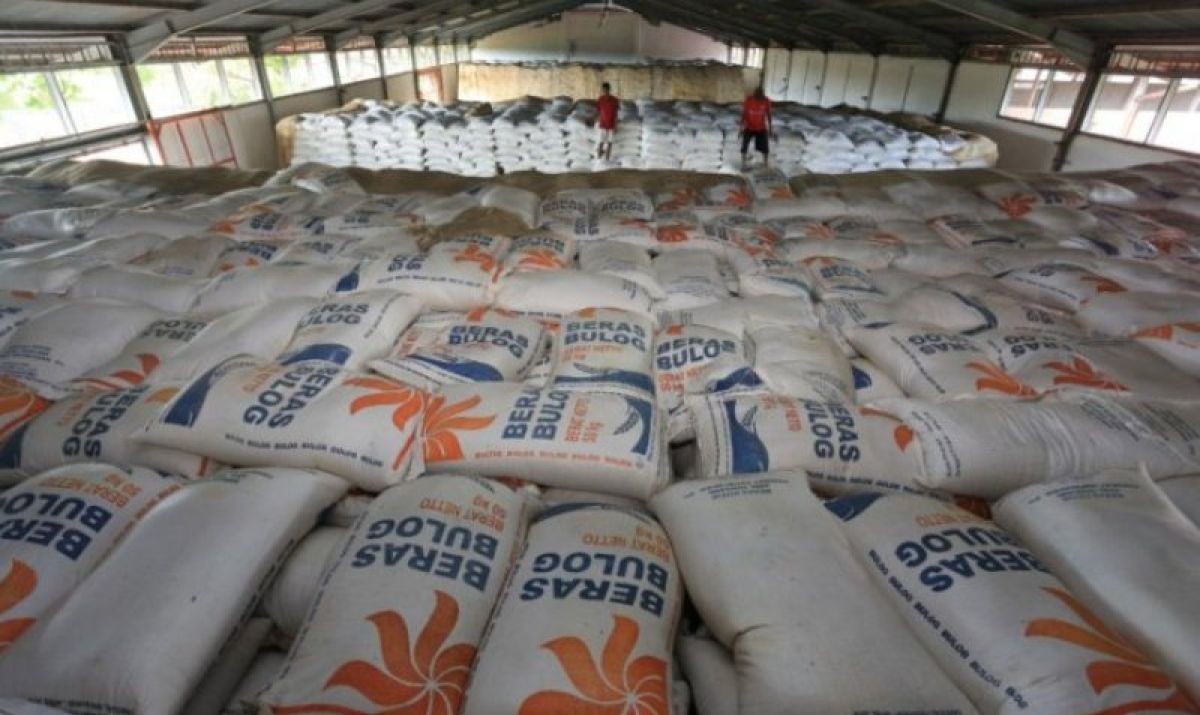
The government faces a policy dilemma with no truly comfortable options. Perum Bulog has assured the availability of rice packaging remains secure amid concerns over plastic raw material shortages due to global geopolitical dynamics. Bulog’s President Director, Ahmad Rizal Ramdhani, stated that the company still possesses sufficient plastic packaging stock to support rice distribution needs in the near term. “Bulog still has stock to meet the needs for that plastic packaging,” he said after a meeting with Commission IV of the DPR RI in Jakarta. He explained that the issue of plastic raw materials currently falls under the Ministry of Industry, so technical explanations regarding raw material supplies are not Bulog’s authority. Nevertheless, Bulog emphasised that rice distribution operations, particularly for public service obligation (PSO) programmes, remain the top priority and are not disrupted. In addition to ensuring available stock, Bulog is also preparing anticipatory measures to address potential future plastic supply disruptions, to maintain the continuity of distribution. Regarding the stabilised supply and price of food (SPHP) programme, including the procurement of 2-kilogram rice packaging, Rizal assured that all procurement contracts have been carried out since the beginning of the fiscal year, thus unaffected by the current emerging issues. Bulog itself has been assigned to distribute SPHP rice through 2026 with a target of 828,000 tonnes, as part of efforts to maintain the availability and stability of national rice prices. In addition, the company is also distributing food aid in the form of rice and cooking oil to around 33.2 million beneficiary families (KPM) for the February–March 2026 period. Each beneficiary receives 20 kilograms of rice and 4 litres of MinyaKita brand cooking oil. The distribution of this aid was temporarily postponed during the Ramadan and Eid al-Fitr period to maintain price stability, but it has resumed since late March and is targeted to be completed by the end of April 2026. With this readiness, Bulog is optimistic that food distribution will continue smoothly amid external pressures on the supporting industrial supply chain.