
PDIP Urges Prabowo Against Arbitrary French Language Mandate in Schools, Demands In-depth Review
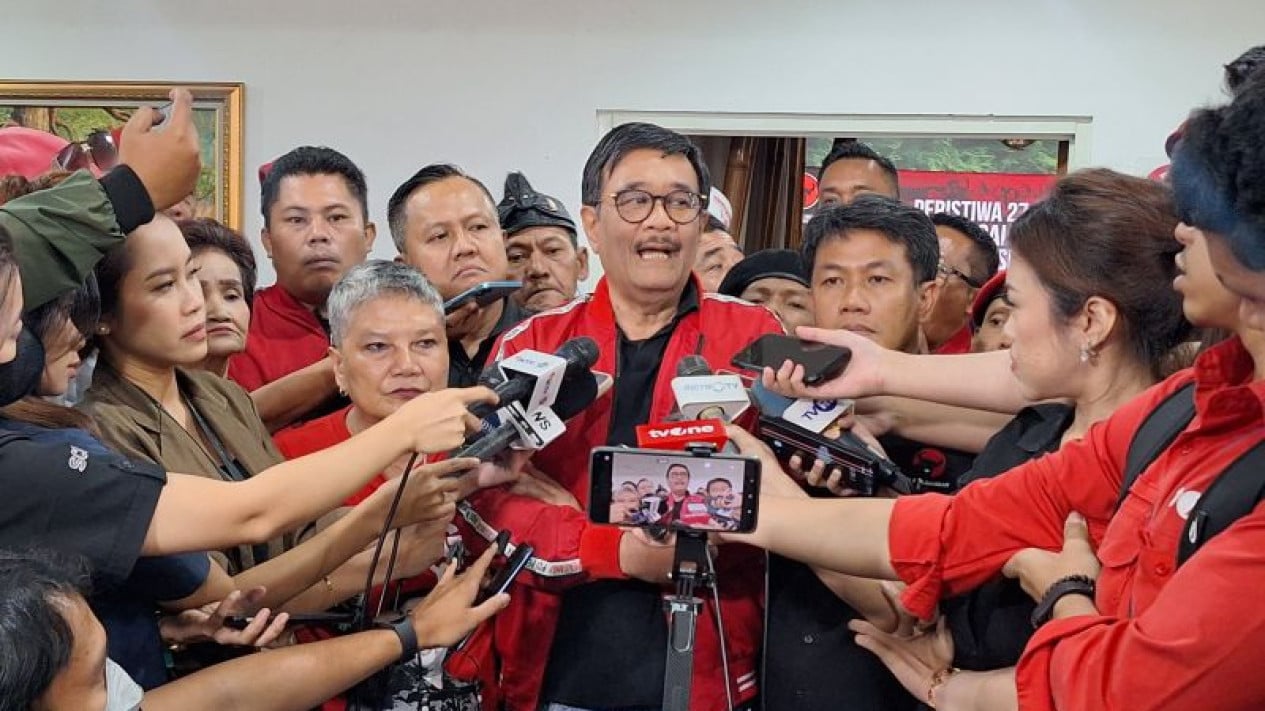
PDIP has commented on President Prabowo Subianto’s directive to teach French in all levels of Indonesian schools. According to PDIP Central Executive Board Chairman Andreas Hugo Pareira, the choice of languages taught in schools should be based on national education needs and curriculum studies, not on the president’s visits to specific countries.
“If it’s a matter of language preference, I think the school curriculum should decide,” Andreas told reporters in North Jakarta on Sunday, 31 May 2026.
Andreas warned against making a country’s language a mandatory part of the national curriculum each time the government establishes ties with that nation.
“We shouldn’t automatically make a language mandatory just because we meet a leader from that country,” he added.
He acknowledged French is an important international language but suggested it should be an elective subject rather than compulsory.
The primary focus for language education, he said, should be strengthening Indonesian and mastering English.
“If it’s made compulsory, we need English and we need to strengthen Indonesian. These are the most crucial for educational development, especially language education,” Andreas stated.
Meanwhile, PDIP Central Executive Board Chairman Djarot Saiful Hidayat explained that while French is important, the policy cannot be immediately made a mandatory part of Indonesia’s school curriculum.
Djarot stated that a thorough study is needed before implementing such a policy.
“French is important, but we can’t immediately make it compulsory just because the President visited France and spoke about it,” Djarot said.
Djarot also cautioned that the education curriculum should be carefully planned and not dictated by the President’s foreign visits.
“If he visits Africa next, should we teach African languages? Of course not. Therefore, a thorough study is needed to determine which foreign languages our children should master, and which should be compulsory or elective,” he concluded.