
OVO Reveals Shift in Digital Activity Rhythm During Ramadan
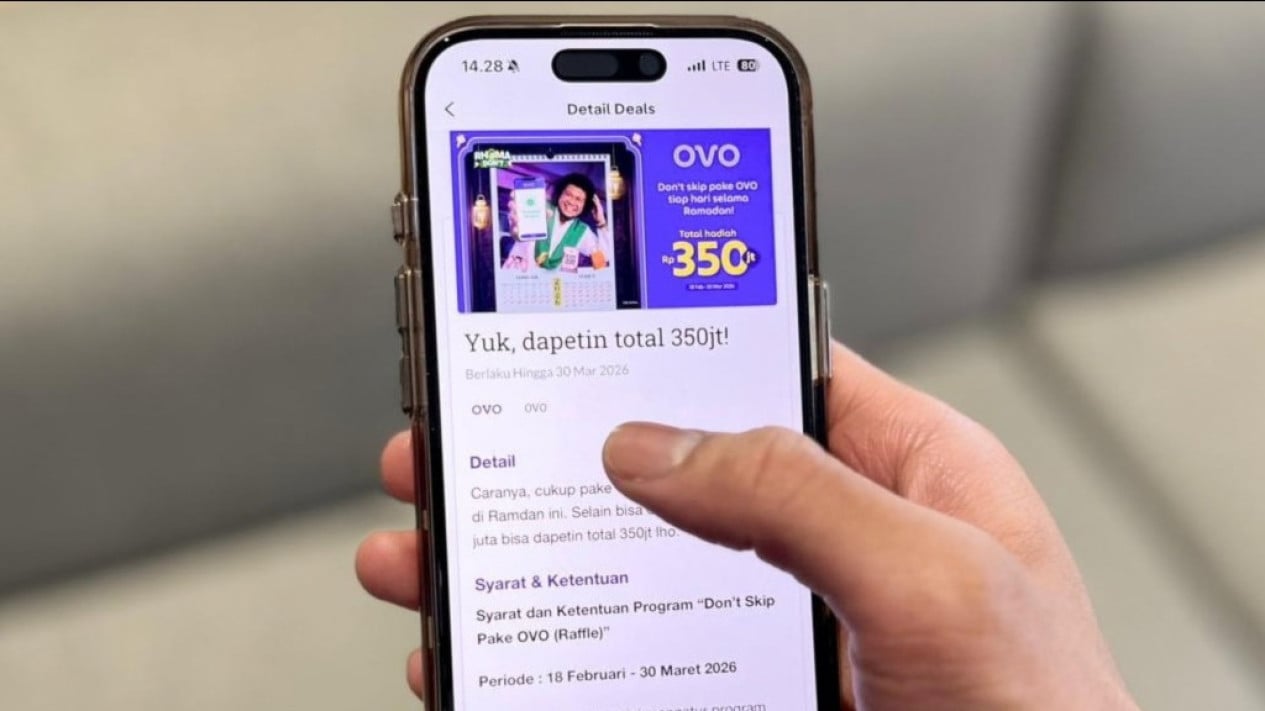
Jakarta — The holy month of Ramadan represents a meaningful and spiritually reflective period that distinctly alters daily rhythms across Indonesian society. Meal times shift, rest periods adjust, and without conscious realisation, digital activity follows a new pattern.
OVO (PT Visionet Internasional) has observed a marked shift in transaction activity patterns throughout Ramadan. Based on analysis of user transaction data through mid-Ramadan this year, digital activity has become increasingly concentrated during late evening hours through to the pre-dawn suhoor period.
Transactions around 3am–5am have recorded a significant 79 per cent increase compared with non-Ramadan periods, a trend consistent with previous Ramadans.
This consistent increase demonstrates that suhoor has evolved beyond a simple meal before fasting begins into an active period for citizens to complete various digital needs, ranging from shopping and accessing entertainment to paying routine bills.
During suhoor, digital activity has not only increased in transaction volume but also shifted in the types of transactions conducted, with practical necessity purchases becoming more active during these early morning hours.
Overall, online transactions during suhoor increased by 76 per cent, driven by e-commerce shopping activity that doubled. Mobile credit purchases and bill payments, for example, increased by more than double compared with non-Ramadan periods.
Citizens also utilise the suhoor period for brief entertainment before daily activities commence. Gaming voucher purchases increased by 58 per cent, whilst digital entertainment services surged by 36 per cent.
“The suhoor period is now being used not only for eating but also for completing various digital needs such as bill payments or mobile credit purchases,” said OVO Chief Operating Officer Eddie Martono on Tuesday, 10 March 2026.
Consumer preferences regarding suhoor meals also reveal interesting patterns. Dining activity at various food and beverage outlets grew fourfold, with traditional Indonesian street food vendors including Warteg, Warmindo and Warkop becoming the primary choices.