
Nurturing Tolerance as the Key to Maluku's Development
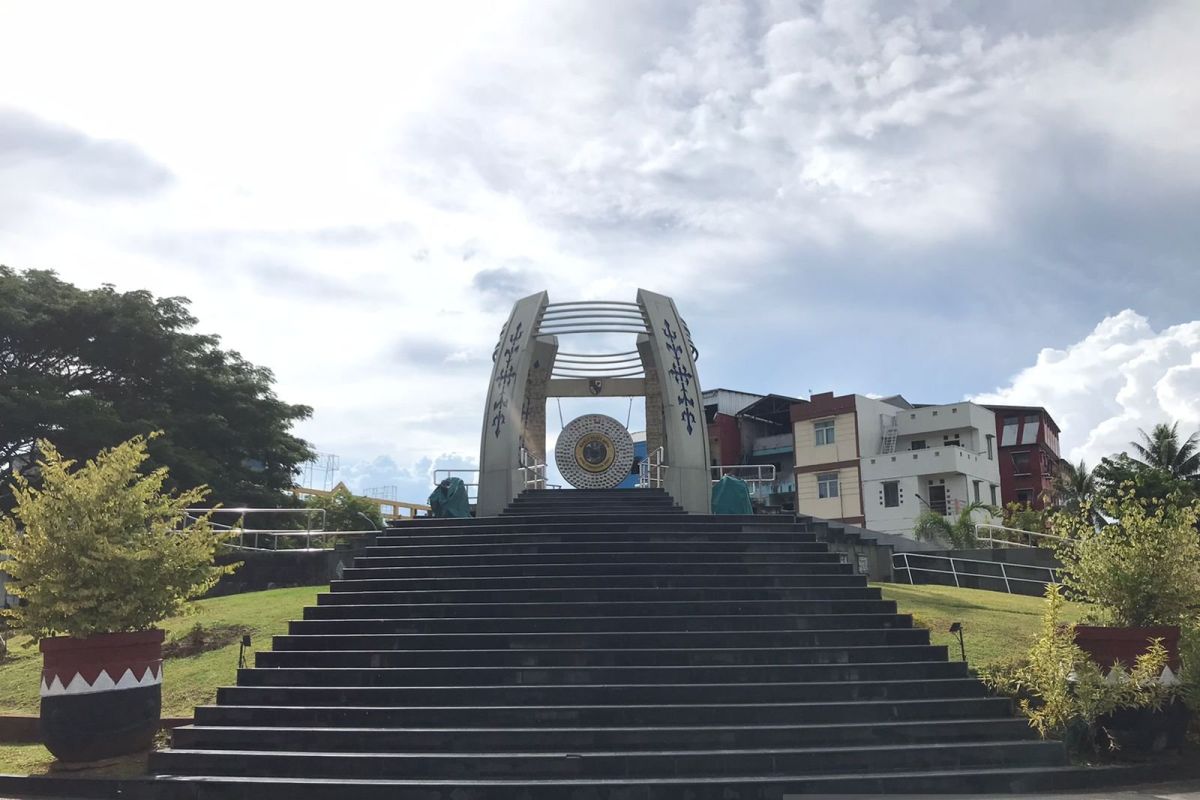
The local government pledges to remain present in every stage of conflict resolution, from prevention and handling to social recovery.
Ambon (ANTARA) - Amid the diversity that strongly defines Maluku, efforts to nurture tolerance and strengthen brotherhood are not merely a social necessity. Nurturing tolerance also serves as the primary foundation for driving sustainable regional development while attracting investments to the archipelago region.
This province, known for its cultural richness and traditional bonds, has a long history in managing conflict dynamics. From that experience emerges a collective awareness that peace is not just a condition without conflict, but the result of a long process involving dialogue, trust, and shared commitment from all elements of society.
That awareness becomes increasingly relevant as Maluku now enters the national strategic development map through several National Strategic Projects (PSN) expected to boost new economic growth in eastern Indonesia.
Major projects such as the development of the Integrated Ambon Port, the Way Apu Dam on Buru Island, and the Abadi Field in the Masela Block symbolise Maluku’s transformation into a maritime and energy-based economic centre. Additionally, the development of the fisheries sector, marine tourism, border areas, and agriculture in regions like Ambon, Tual, Saumlaki, and the Aru Islands is being continuously promoted.
The Integrated Ambon Port, for instance, is projected to become a modern logistics hub integrated with national and international trade networks. Meanwhile, the Masela Block is one of the largest energy projects expected to attract global investment and create widespread job opportunities. The Way Apu Dam, on the other hand, strengthens water resilience and supports agricultural productivity.
However, behind these great opportunities, security stability is the determining factor.
Maluku Governor Hendrik Lewerissa asserts that every conflict resolution must be pursued through peaceful channels, prioritising dialogue, deliberation, and customary approaches as deeply rooted local wisdom, while still entrusting legal processes to law enforcement authorities.
He views security stability as the primary prerequisite for development. Without a conducive social condition, various strategic programmes, including national-scale projects, will be hindered or even delayed.
In line with that, society is expected not to be easily provoked by unverified information, as the spread of hoaxes will only muddy the situation and slow down development progress. On the contrary, society should strengthen messages of peace, uphold brotherhood values, and revive the value of compassion that defines Maluku’s identity.
In that framework, the Governor also invites all elements of society, from village kings, legislative members, religious figures, customary leaders, youth, to women, to synergise with security apparatus. This collaboration is deemed important to ensure that every potential conflict can be quelled early, thereby maintaining space for development.
The local government pledges to continue being present in every stage of conflict resolution, from prevention steps, handling, to social recovery, so that community activities and the economic wheel can return to normal.
In the context of development, social conflict has a real impact on the investment climate. Security instability increases business risks, disrupts economic activities, and creates uncertainty that makes investors reconsider investing their capital.
For major projects like the Integrated Ambon Port and Masela Block that require long-term certainty, social stability becomes the main factor. Recurring conflicts not only slow down project realisation but can also increase development costs and reduce investor confidence in the region.
Security Aspect
From the security perspective, Ambon and Lease Islands Police Chief Kombes Pol Yoga Putra Prima Setya emphasises the importance of preventive and preemptive approaches in maintaining regional stability. The police continue to strengthen patrols, early detection, and active communication with the community as part of the strategy to create a safe and conducive situation.
He assesses that community involvement is a key factor in maintaining peace. Awareness to restrain oneself, not being easily provoked, and resolving issues in a familial manner become social capital that must be continuously strengthened in Maluku’s community life.
In an academic perspective, Professor Abdul Haris Fatgehipon, from the Faculty of Social Sciences and Law at Jakarta State University, views Maluku’s experience as an important reference in conflict resolution studies in Indonesia.
He explains that conflict is a complex phenomenon influenced by various social, political, and economic factors, so its resolution must be carried out holistically through security approaches, dialogue, law enforcement, and social rehabilitation. Maluku’s experience shows that integrating these approaches can rebuild trust within society.
Local values like pela gandong become one of the important pillars in nurturing peace. This system not only functions as a symbol of brotherhood but also as an effective social mechanism in bridging differences and preventing conflict.
He also assesses that Indonesia, including Maluku, is a “living laboratory” for peace studies, where diversity becomes a strength in building social harmony if managed well.
Meanwhile, academic from the Ambon State Islamic Institute (IAIN) Abidin Wakano highlights the importance of strengthening social integration as a strategic step in preventing conflict. He assesses that society’s tendency