
Not Implementing WFH-WFA, Polda Metro Still Carries Out Fuel Savings
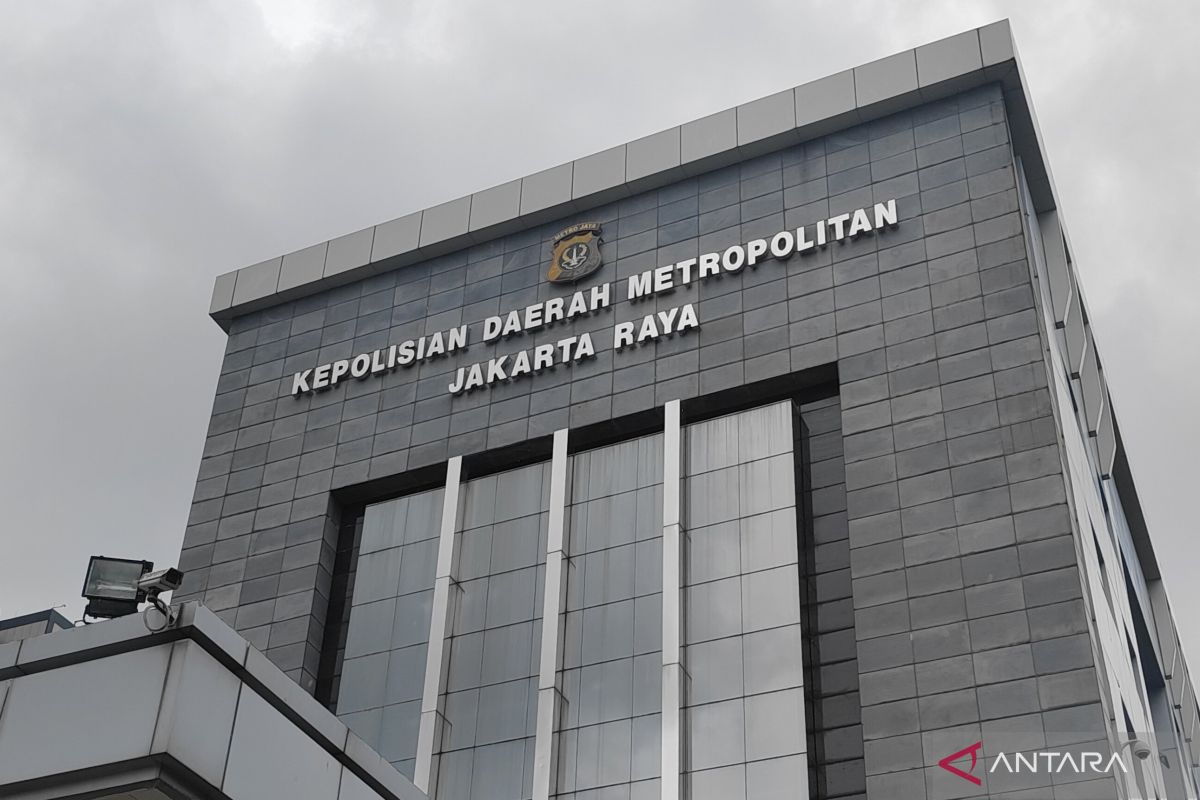
Jakarta (ANTARA) - Polda Metro Jaya has explained that it is not implementing work-from-home (Work From Home/WFH) and work-from-anywhere (Work From Anywhere/WFA) arrangements, with police services continuing as usual alongside fuel (BBM) efficiency measures.
“So, the police are not carrying out WFH or WFA, but we are implementing savings related to emissions, fuel, and so on. We are doing that,” said the Head of Public Relations of Polda Metro Jaya, Police Commissioner Budi Hermanto, when met in Jakarta on Friday.
Budi explained that Polda Metro Jaya continues to conduct patrols to provide a sense of security and comfort to the public.
“That means there must be a system created through the proper mechanism. In our fuel savings, we also consider it, but there are main clauses such as police patrol activities that must be carried out regardless,” he said.
Budi stated that Polda Metro Jaya fully supports the government’s policy on fuel savings.
“There are other official travel activities, for example, we do not use private vehicles, we can use public transport. Then, we can switch from four-wheeled vehicles to two-wheeled ones. From two-wheeled, we can use bicycles to the office,” he said.
The government has announced a new policy aimed at encouraging changes in work culture and lifestyle among the public as part of the national transformation in facing global geopolitical dynamics.
In the announcement of the national work culture transformation and energy policy conducted online via video conference monitored from Jakarta on Tuesday, State Secretary Minister Prasetyo Hadi said the current global situation demands that all countries, including Indonesia, adapt through efficiency measures and changes in public activity patterns.
According to him, this momentum is an opportunity for all elements of society to start making work methods, mobility patterns, and energy use in daily life more efficient.
“We are starting to change our culture and transform forward to face the geopolitics that indeed affects all countries in the world,” said Prasetyo.
He emphasised that the transformation includes changes in public transportation habits to reduce fuel oil (BBM) consumption, while also increasing national energy resilience.
Prasetyo added that the government also appreciates various regional government initiatives that have previously encouraged energy-friendly mobility culture changes, one of which is through calls to use bicycles for commuting to work.