
Not a Vote Threshold: PSI Proposes Fractional Threshold for Parliament
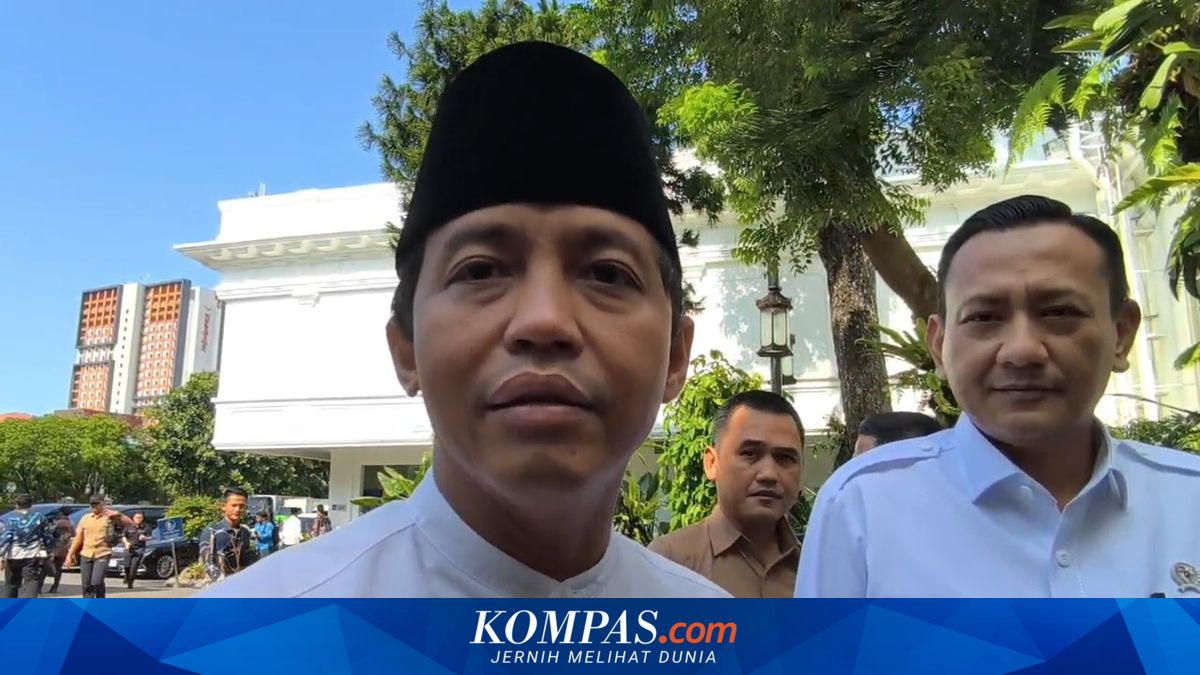
JAKARTA — The Indonesian Solidarity Party (PSI) has proposed the concept of a fraction threshold (ambang batas fraksi) as an alternative approach in discussions regarding the revision of the Electoral Law.
This proposal is considered a middle ground to address the issue of parliamentary threshold, which has long been viewed as preventing many voters from being represented in parliament.
PSI Secretary-General Raja Juli Antoni said the concept differs from the parliamentary threshold that has been used to determine which political parties can enter parliament.
According to Raja Juli, one reason PSI proposes the fraction threshold is that the current parliamentary threshold has proven ineffective in simplifying Indonesia’s multiparty system.
He believes the system has instead resulted in many voters’ voices going unaccommodated, as parties receiving votes below the threshold cannot enter parliament.
As an alternative, PSI proposes that the threshold be applied to the formation of factions within parliament, rather than to political parties themselves.
“What this means is that several parties (within one faction), let’s say for example, would be required to have a minimum of seven per cent or even 10 per cent to form a faction,” Raja Juli added.
According to him, such a scheme could encourage more natural political consolidation. Parties with ideological proximity would potentially join together in one faction to meet the threshold.
“It would be far more effective if we implement a fraction threshold rather than a parliamentary threshold,” he said.
Nevertheless, Raja Juli emphasised that PSI will still abide by the decision made by the House of Representatives in the discussion of the Electoral Law revision. He also stressed that the discussion must continue to refer to the Constitutional Court’s (MK) ruling.
“So whatever the outcome, we have no problem, but I think the guidelines are the Constitutional Court’s decision and secondly, the value of democracy itself,” he said.