
MUI Issues Fatwa Declaring Dumping Trash in Rivers, Lakes, and Seas as Haram
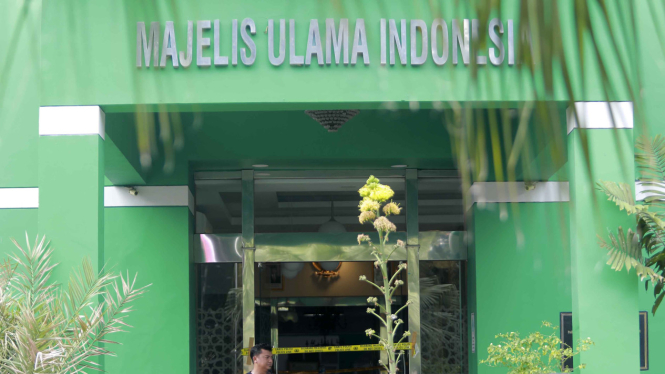
The Indonesian Ulema Council (MUI) has affirmed a fatwa declaring it haram (religiously forbidden) to dump trash in rivers, lakes, and seas, in support of the Indonesia ASRI (Clean and Beautiful) Movement launched by the President to address the national waste emergency.
The fatwa was affirmed during a River Cleanup Action and tree-planting event along the Cikeas River in Sentul, Babakanmadang Subdistrict, Bogor Regency, West Java, on Sunday, in observance of National Waste Awareness Day (HPSN) 2026 and in welcoming Ramadan 1447 Hijri.
Deputy Secretary General for Economic Affairs at the Central MUI, Hazuarli Halim, said the fatwa is the result of deep deliberation on the increasingly evident impact of environmental damage.
“This fatwa declaring waste dumping as haram is the result of weighing the benefits and harms. Because environmental pollution brings adverse effects on life and health, we have taken the bold step of declaring it haram,” Hazuarli said.
He explained that from the perspective of Islamic jurisprudence, protecting the environment is an obligation that earns spiritual reward, while polluting it constitutes a sinful act.
“Protecting the environment is an obligation and earns reward. Conversely, polluting the environment is haram and sinful. While government law carries legal sanctions, in religion the sanction is sin,” he said.
Hazuarli added that MUI will push for massive dissemination of the fatwa through the network of mosques and preachers across Indonesia. According to Ministry of Religious Affairs data, there are approximately 800,000 mosques that could potentially serve as centers for environmental literacy.
“If these 800,000 mosques mobilize to deliver environmental literacy, public awareness can be built. Sermon and lecture content must include messages about protecting the environment,” he said.
Meanwhile, Environment Minister Hanif Faisol Nurofiq welcomed the fatwa and said the religious dimension is important in facing the waste emergency.
“I am very pleased with this fatwa. The religious dimension is crucial amid our waste emergency. We will promptly discuss this with the Ministry of Religious Affairs and the Ministry of Home Affairs so it can be disseminated more widely,” Hanif said.
He stressed that Indonesia is currently under pressure from the global environmental crisis, including a waste crisis that impacts climate change and public health.
“We are fighting to turn the waste emergency into management that transforms waste into a resource. All parties must contribute,” he said.