
Mudik patterns shift, traffic management at tourist attractions deemed necessary
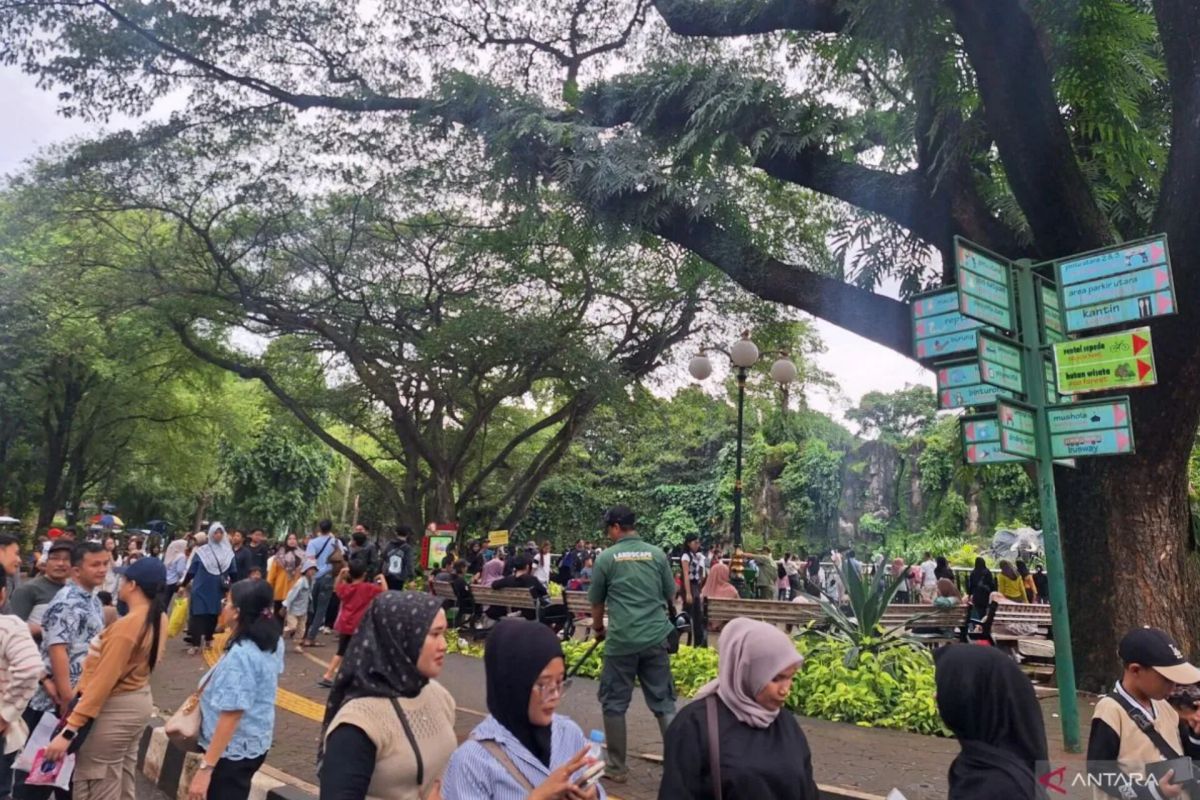
Jakarta — The Indonesian Transportation Association (MTI) views traffic management (traffic engineering) at tourist destinations as necessary given that the pattern of mudik (homecoming) during Eid is shifting from purely social visits to family and relatives towards a leisure holiday period.
“Mudik is no longer just about visiting family, parents, and relatives, but also increasingly about taking a holiday,” said MTI Chairman Haris Muhammadun in Jakarta on Tuesday.
Consequently, MTI has requested that local government authorities implement traffic management and engineering at tourist zones in anticipation of visitors travelling home or returning from Eid 2026.
Last year in Jakarta, the DKI Transportation Office applied traffic management at several popular tourist locations, including Taman Mini Indonesia Indah (TMII), Ragunan, Kota Tua, Ancol, the National Monument (Monas), and Pantai Indah Kapuk (PIK) to counter expected tourist surges during the extended religious holiday break.
One traffic management measure implemented was a one-way system at Ragunan, whilst other tourist locations employed situational measures.
Meanwhile, a survey conducted by the Ministry of Transportation’s Transportation Policy Agency (BKT) alongside other institutions estimates approximately 143.9 million people could undertake journeys during the 2026 Eid holiday period.
Various policy instruments have been and will be implemented by the government, including public transport and toll road fare discounts, restrictions on logistical freight transport during specified periods, and free mudik and motorcycle transport facilities.
Additionally, measures include work-from-anywhere (WFA) flexible arrangements, one-way traffic schemes, contraflow, and odd-even traffic restrictions on toll roads, as well as operational limitations on city transport in certain areas.
Haris conveyed that MTI welcomes and highly appreciates the application of these policy measures.
Nevertheless, he stated that synchronisation of these various policy instruments is needed to ensure that movement during this year’s Eid holiday period is optimised in reducing traffic congestion and bottlenecks at transport hubs, whilst also mitigating accidents and accommodating public transport and logistics operations.