
MP urges allowances and improved facilities for immigration officers at borders
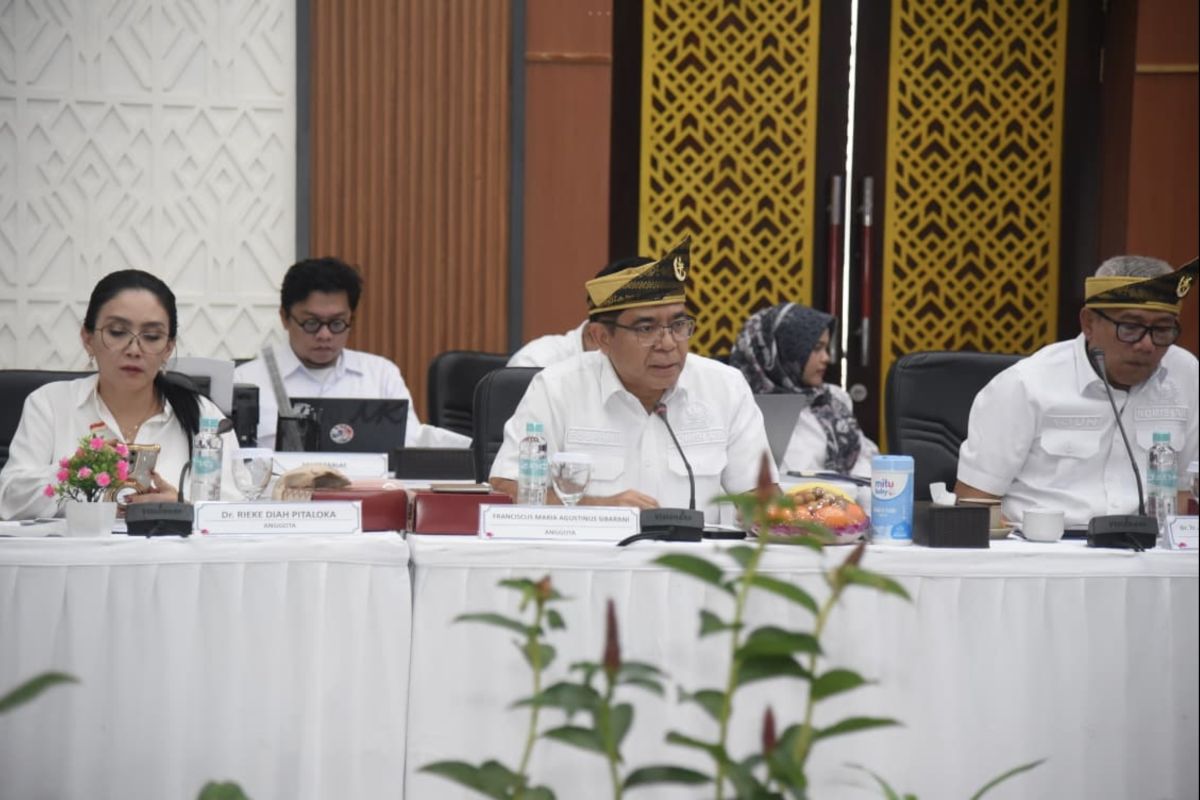
Jakarta (ANTARA) - A member of the Indonesian House of Representatives Commission XIII, Franciscus Maria Agustinus Sibarani, is pushing for the provision of allowances as well as improvements to facilities and infrastructure for immigration enforcement officers in border areas. He emphasised that strengthening immigration oversight is an essential part of safeguarding national sovereignty and ensuring legal certainty, while highlighting the heavy challenges of immigration monitoring in border regions. “Therefore, we in Commission XIII view support for facilities and infrastructure, as well as allowances for officers in border areas, as a priority,” said Sibarani in his statement in Jakarta on Sunday. He conveyed this during a Specific Working Visit to the West Kalimantan Immigration Office. He assessed that the increasing flow of people is not matched by field monitoring capacity, particularly in border areas with challenging geographical characteristics. “On one hand, the flow of people is increasing. On the other hand, monitoring capacity is not fully able to keep up,” he stated. According to him, the land border length of West Kalimantan with Malaysia, which exceeds 1,000 km, presents a particular challenge. To reach several points, officers must travel for hours through rocky roads, muddy terrain, forested areas, and river routes. “This is not an easy condition. The risks in the field are very high, while access is still limited,” he stressed. In addition to geographical conditions, he also highlighted limitations in basic infrastructure at several border points, such as electricity, clean water, and communication networks, which directly impact the effectiveness of monitoring. “Without adequate support, the monitoring burden in the field is not commensurate with the available facilities,” he continued. Therefore, Sibarani is urging strengthened support for Immigration officers, both in terms of facilities and infrastructure, increased human resource capacity, and the provision of performance allowances and work risk protection. “Officers at the borders face far greater challenges. The state’s support must be proportionate to the risks they face,” he concluded.