
Ministry of Higher Education, Science, and Technology to Close Irrelevant Degree Programmes
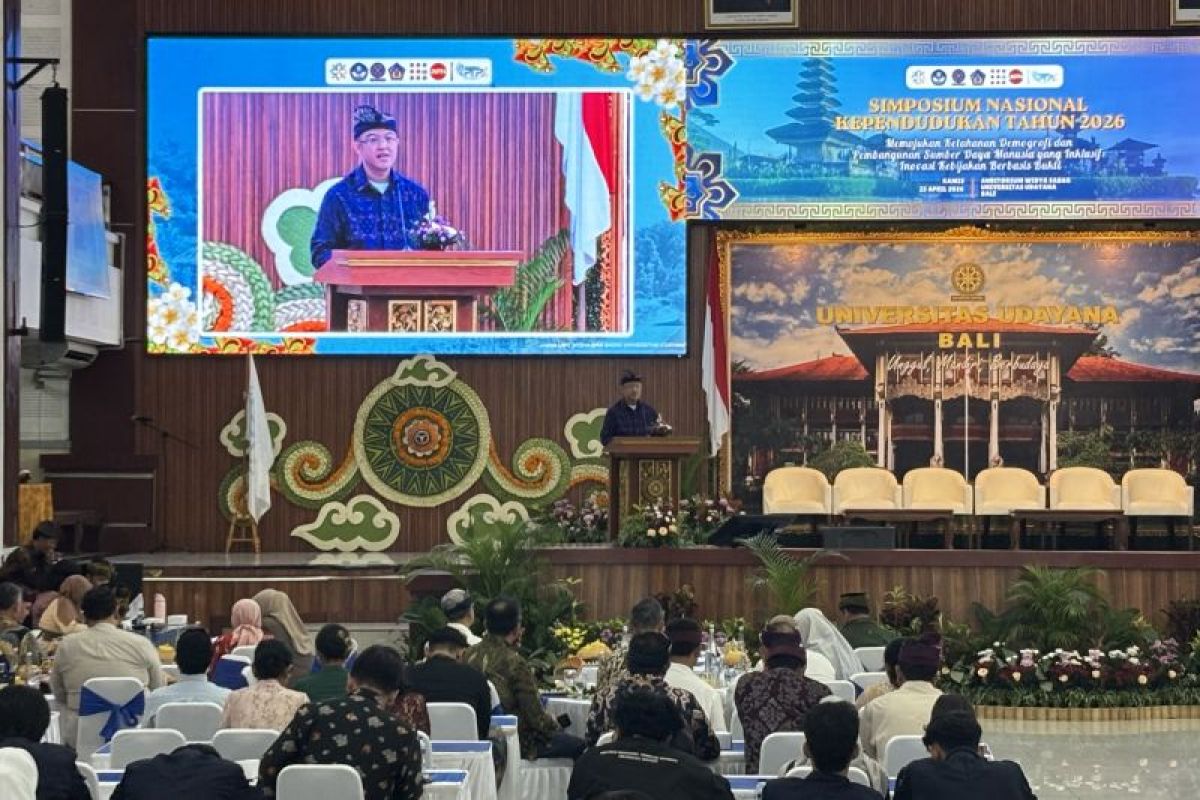
Badung (ANTARA) - The Ministry of Higher Education, Science, and Technology (Kemendiktisaintek) is inviting higher education institutions to sort and even close degree programmes (prodi) that are less relevant to future workforce needs.
“To all the rectors present here, there is willingness; soon there may be some that we must execute in a not too long time regarding the programmes; we need to select, sort, and if necessary close them to increase relevance,” said Secretary General of Kemendiktisaintek, Badri Munir Sukoco.
Badri, at the National Population Symposium for 2026 in Badung Regency, Bali, on Thursday, explained that this step is being taken by the government to curb the mismatch between university graduates and industry.
Kemendiktisaintek records that every year campuses graduate 1.9 million young people, consisting of 1.7 million bachelor’s degrees and the rest diplomas.
At the same time, he said, when early deindustrialisation occurs, these graduates will have difficulty entering the job market, so the government is issuing initiatives to boost industrialisation, particularly specific industries.
“What is actually needed for programmes in the future, that is what we will try to compile together later, and of course, studies from the management of the PKPT Consortium (Higher Education Caring for Population) are needed,” Badri stated.
He assessed that in welcoming the demographic bonus, higher education should lead Indonesia forward through graduates who can meet future needs.
Currently, many campuses are employing a market-driven strategy or opening programmes according to majors that are popular among prospective students.
In addition, Kemendiktisaintek has found that every year education or teaching majors graduate 490,000 alumni, while the market for prospective teachers is 20,000 people, so the rest become educated unemployed.
For this reason, he invited higher education institutions, especially members of the PTKP Consortium, which was formed together with the Ministry of Population and Family Development Planning (Kemendukbangga)/BKKBN, to help in compiling studies on relevant programmes.
The government is also inviting campuses to use a market-driving strategy by mobilising the market, particularly the eight strategic industries that have been outlined by the government.
“The way is to adjust the programmes; new programmes need to be developed that match the eight strategic industries; of course, there needs to be willingness from each rector to conduct those studies, adjusted so that the programmes are indeed relevant,” he said.