
KAI Assets in Kiaracondong to Be Developed into Vertical Housing for Low-Income Communities
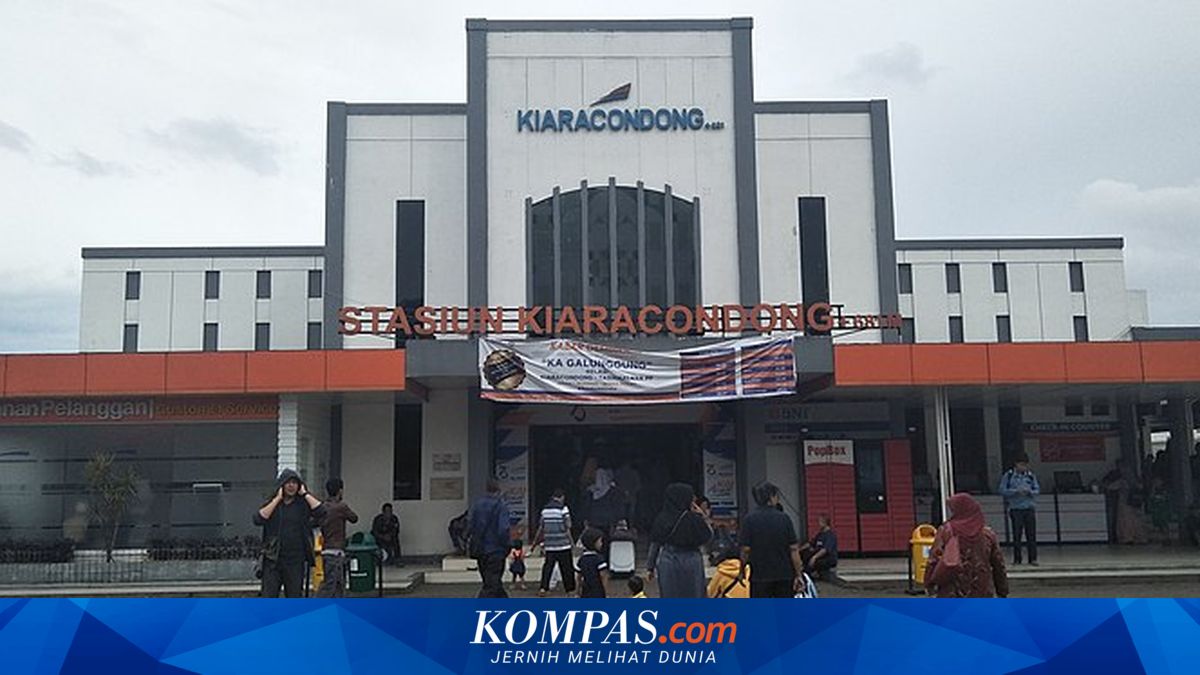
JAKARTA - PT Kereta Api Indonesia (Persero) is mapping assets in Bandung for the development of vertical housing based on Transit Oriented Development (TOD). This project is intended for low-income communities.
The mapping was conducted by KAI President Director Bobby Rasyidin alongside Minister of Housing and Settlement Areas Maruarar Sirait. The location is around Balai Yasa Jembatan Kiaracondong, Bandung, on Monday (6/4/2026).
“The government is currently preparing plans through a joint team involving the Ministry of Housing, KAI, Danantara, and the Bandung City Government,” said Maruarar in an official statement.
“On 25 April 2026, the team will present the basic concept, including how healthcare facilities, education, and places of worship will be integrated into the area,” Maruarar added.
The project also receives private sector support. Initial commitments include the construction of 1,000 housing units.
“There is already an initial commitment to build one thousand housing units through a corporate social responsibility scheme. The placement location will be studied together with KAI to align with their asset development,” she added.
KAI President Director Bobby Rasyidin stated that the utilisation of land around stations is directed to provide economic benefits for the community.
“Several KAI lands in Bandung are indeed projected to be developed into vertical housing,” said Bobby.
“If residents live in the TOD area like Kiaracondong, they will be much more efficient in transportation expenses because rail access is right in their living environment,” Bobby explained.
The area development also includes public spaces and micro-business areas. These facilities are prepared to support residents’ economic activities.
This step is part of the optimisation of state assets. The process still considers the safety of railway operations and the needs of the surrounding community.