
Iran's Security Commission Seeks to Permanently Impose Tolls on Ships Passing Through Strait of Hormuz
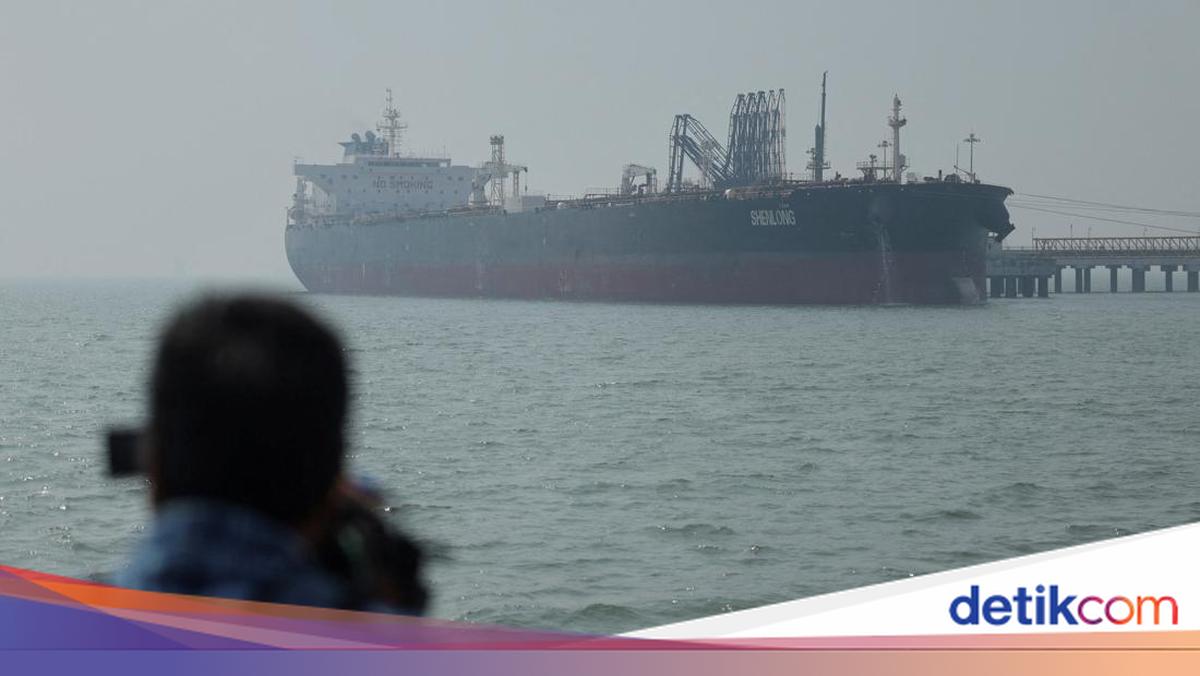
Iran’s National Security Commission in parliament has approved a plan to impose import duties or tolls on ships passing through the Strait of Hormuz. Several stages remain before the plan is implemented.
According to detikNews, the National Security Commission is an important body in Iran’s parliament. They approved the regulation amid the closure of the Strait of Hormuz in response to attacks by the United States (US) and Israel on Iran.
Iranian state television reports, citing a member of the parliamentary security commission as reported by AFP and Anadolu Agency on Tuesday (31/3/2026), explain that the plan includes a series of new regulations governing the strategic waterway.
Under the plan, Iran will establish a Rial-based toll system for the Strait of Hormuz. Ships will have to pay transit fees in Iran’s national currency, the Rial—followed by the “implementation of Iran’s sovereign role”.
There are also provisions for “banning American citizens and the Zionist regime from passing through it”, and prohibitions on other countries imposing sanctions against Iran.
Fars News Agency reported that one member of the National Security Commission, Mojtaba Zaeri, explained that the bill also includes restrictions prohibiting ships related to the US and Israel from passing through the Strait of Hormuz, including countries that impose unilateral sanctions against Iran.
However, the toll bill still needs to undergo a full vote in Iran’s parliament. After that, the regulation will be reviewed by Iran’s Guardian Council and signed by the President of Iran to be enacted as law.
It is known that the US and Israel have been attacking Iran since 28 February. Iran retaliated by launching attacks and closing the Strait of Hormuz.
As a result, transit activity in the important waterway has been effectively restricted since early March. This has triggered global disruptions that increase shipping costs and push global oil prices higher.
Around one-fifth of the world’s crude oil and liquefied natural gas passes through the Strait of Hormuz before the war broke out. Since the war began at the end of February, according to maritime intelligence firm Kpler, transits through the Strait of Hormuz have plummeted by about 95 percent, with impacts felt across global energy markets.