
Iran-US War Impacts Energy Crisis: What Needs to Be Anticipated
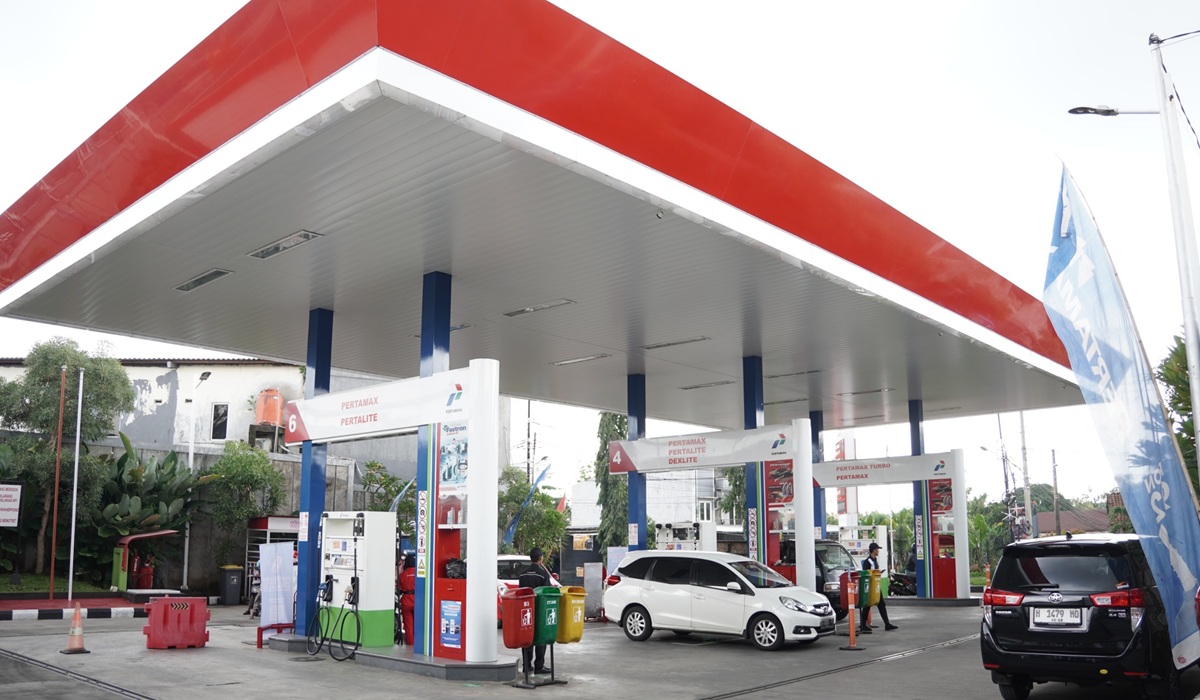
The war between Iran, the United States, and Israel is impacting the global energy crisis, including in Indonesia. However, the energy crisis does not always manifest as a shortage of fuel oil (BBM). According to economist from the Center of Reform on Economics (CORE) Yusuf Rendy Manilet, the crisis can lead to a surge in prices.
“When conflict drives a spike in global oil and gas prices, direct pressure emerges on the fiscal side because our energy structure is still heavily dependent on imports and subsidies,” said Yusuf when contacted on Tuesday (24/3).
In this context, he stated, the biggest risk lies in the state budget (APBN). Yusuf explained that rising energy prices will automatically increase the burden of energy subsidies and compensation, while our fiscal space is limited.
“If not managed carefully, the deficit could widen again, even breaching the psychological threshold of 3% of GDP. This makes the energy issue not just a sectoral concern, but a serious macro-fiscal risk,” he elaborated.
However, on the other hand, policy responses cannot rely solely on increasing subsidies. Yusuf believes that energy conservation must be promoted, through efficiency in the transportation, industrial, and household sectors.
Policies such as restricting certain BBM consumption, limited promotion of work from home, or accelerating the adoption of public transportation could be part of the solution. “But we must also be realistic that the impact of these savings tends to be gradual, while fiscal pressure occurs quickly,” said Yusuf.
“Therefore, the key to policy lies in budget reallocation. The government needs to boldly re-evaluate programmes with large allocations but relatively limited short-term economic impact,” he explained.
In this context, Yusuf said, programmes like MBG and village cooperatives, with total allocations approaching Rp400 trillion, are relevant for review. Some of that budget could be redirected to cover the swelling energy subsidies so as not to burden the deficit entirely.
“In other words, a more rational strategy is a combination of energy savings on the demand side and rearranging national spending priorities on the fiscal side. Without corrective steps on both fronts, the government risks being trapped in more expensive choices: allowing the deficit to widen or making sudden spending cuts amid an economic slowdown,” he concluded.