
Indonesian Citizen in Taiwan Confirmed with Dengue Fever and Receiving Intensive Care
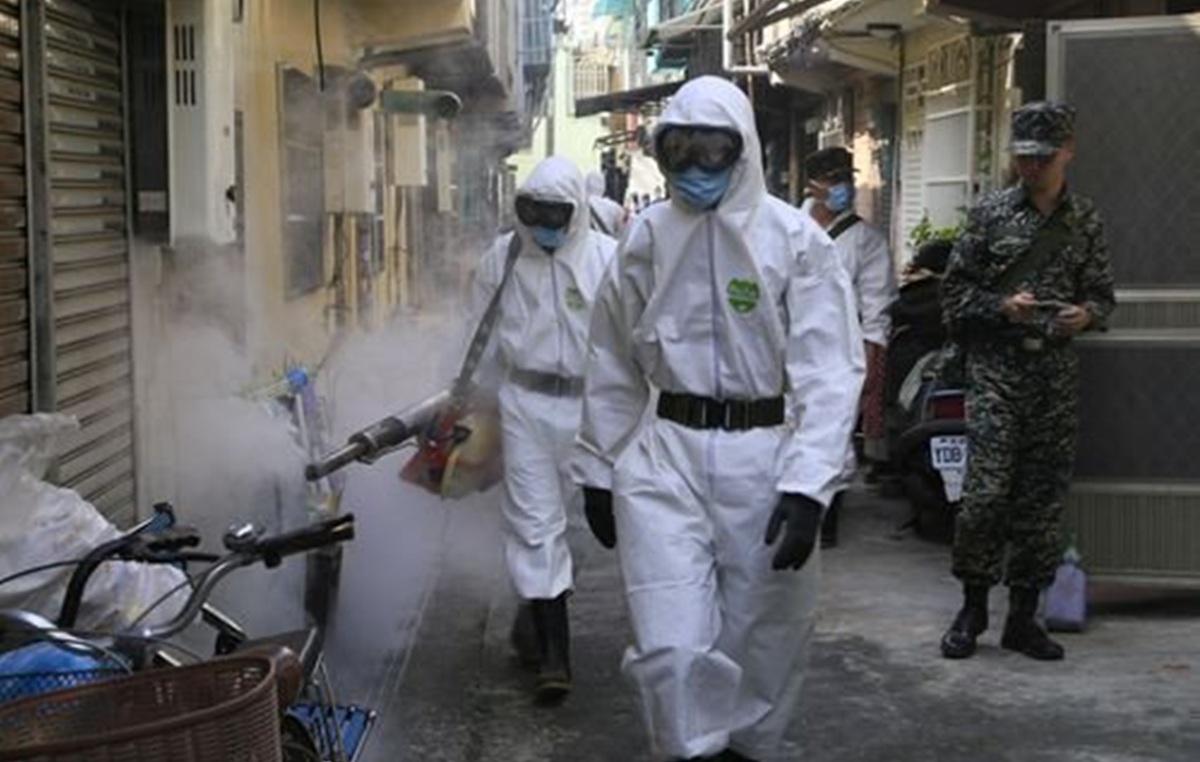
An Indonesian citizen (WNI) has been confirmed to have dengue fever (DBD) after arriving in Taiwan and is receiving treatment at a hospital, according to Kaohsiung health authorities.
The Kaohsiung City Health Department stated that this is the second imported DBD case this year involving a man in his 20s entering Taiwan. He was intercepted at the airport due to fever and underwent a rapid NS1 test, which showed negative results.
Epidemic prevention officers then informed the patient that, through an incentive programme, the Health Department could assist in arranging hospitalisation while awaiting PCR test results.
However, the patient refused and went to his friend’s house on the same day. He went out for a meal before Sunday’s PCR results came back positive, confirming the case.
The Health Department stated that emergency containment measures were immediately activated, including cleaning mosquito breeding sources indoors and outdoors at the residence and the patient’s activity sites, as well as insecticide spraying for mosquito eradication.
The department reminded that entrants who have a fever upon entering Taiwan will be given vouchers worth NT$500 (Rp266,382) if they are willing to cooperate with epidemiological investigations and wait for rapid NS1 test results.
For those with negative NS1 results who are willing to be hospitalised at designated facilities until PCR results are available, the cost of hospitalisation will be covered (excluding meals and paid special rooms). They will receive vouchers worth NT$1,000, the department said.
Taxi fares from the airport to the designated hospital will be reimbursed upon presentation of proof, while if the PCR results are later confirmed positive, the patient will receive an additional bonus of NT$2,500, the department added.
The Health Department reminded residents who experience symptoms within 14 days after arriving in Taiwan from high-risk areas to immediately seek treatment at partner DBD management health facilities and inform doctors of their travel history and activities.