
Indonesia intensifies communication with Iran to allow Pertamina tankers to exit Hormuz Strait
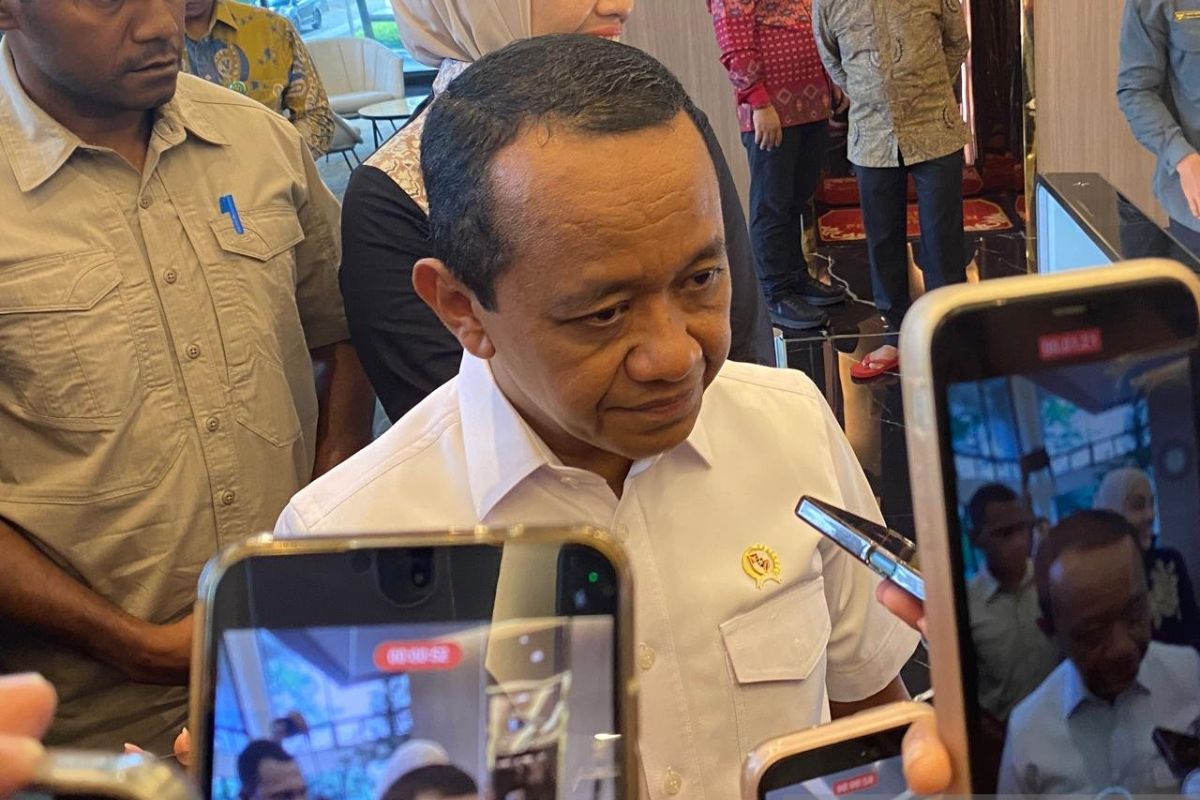
Indonesia’s Minister of Energy and Mineral Resources (ESDM), Bahlil Lahadalia, has assured that the Indonesian government is continuously engaging in intensive communications with the Iranian government to facilitate the exit of two Pertamina tankers from the Strait of Hormuz.
“It’s not easy for us to figure out how to get our ships out of the Strait of Hormuz. But we are continuously building communications,” Bahlil said when met at the Office of the Coordinating Ministry for Economic Affairs in Jakarta on Friday.
PT Pertamina (Persero) had previously confirmed the safety of the crew of the tankers owned by PT Pertamina International Shipping (PIS) that remain in the Strait of Hormuz, amidst the geopolitical tensions between Iran and the United States (US).
On the other hand, on Wednesday (4/3), Bahlil also assured that the entrapment of the two ships in the Strait of Hormuz does not disrupt Indonesia’s energy security, as Indonesia quickly seeks alternative energy supplies from the United States.
Pertamina’s Vice President of Corporate Communication, Muhammad Baron, on Tuesday (3/3), stated that a total of four related ships are involved, but the other two are outside the Strait of Hormuz.
Baron mentioned that the cargo of crude oil originating from the Middle East currently accounts for around 19 percent of total crude oil imports to Indonesia.
According to him, Pertamina has prepared distribution schemes through regular, alternative, and emergency systems to maintain national energy security.
Separately, on Friday (27/3), the Indonesian Ministry of Foreign Affairs (Kemlu) confirmed that the Iranian government has responded positively to the Indonesian government’s request for the two Pertamina tankers still detained in the Strait of Hormuz to pass safely.
According to the Spokesperson of the Indonesian Ministry of Foreign Affairs, Vahd Nabyl A. Mulachela, his side, together with the Indonesian Embassy in Tehran, has been intensively coordinating with all relevant parties in Iran since the beginning for the safety of the tankers.
Following the positive response conveyed by Tehran, follow-up steps have been implemented by the relevant parties on technical and operational aspects, said Nabyl, although he did not provide a specific time when the tankers could exit the Strait of Hormuz.