
Hyundai Launches Two Concept Models Ahead of Beijing Auto Show
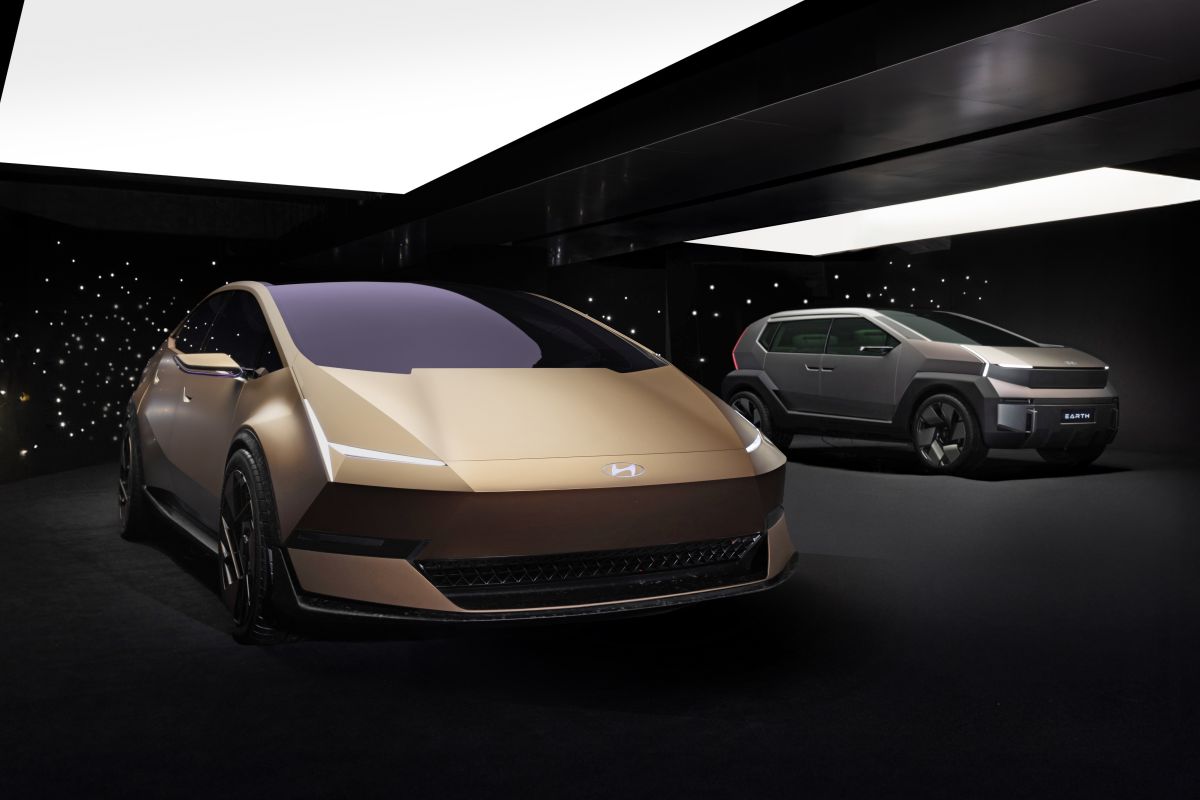
Jakarta (ANTARA) - South Korea’s Hyundai Motor Company is eyeing China’s vast automotive market with significant potential to market pure electric vehicles through the launch of the IONIQ brand in Beijing, China. Not only IONIQ, Hyundai also appears very serious about the world’s largest automotive market by presenting two cars that are still in concept status, which they will showcase at the 2026 Beijing Auto Show. “Based on the IONIQ principle that prioritises safety and world-class quality, Hyundai will soon introduce production models that combine intelligent cabins and driving experiences according to the desires of Chinese consumers,” said President of Beijing Hyundai Motor Company, Li Fenggang, in an official statement on Wednesday. These two concept cars serve as the initial gateway to Hyundai’s strategy for entering the Chinese market, while also setting the design benchmark for future mass-produced IONIQ models. Embracing the “Lead, don’t follow” philosophy, the two concept cars feature characterful and easily recognisable single-curve silhouettes, delivering a strong first impression. Alongside the introduction of its two models in the Chinese market, the company is also pouring its commitment into the highly competitive automotive market through the development of the IONIQ lineup, not only in terms of products but also the overall consumer mobility experience. As part of this strategy, Hyundai Motor is introducing a special naming pattern tailored for China. Future IONIQ models will use “planet” names, symbolising that each vehicle centres on the customer as the core of the new IONIQ universe. Technology that is already widely known to automotive customers in China is believed by Hyundai to smooth their strategy for competing with both global and local brands that have already adopted such technology. They also believe that the presence of these technologies reflects Hyundai Motor’s commitment to returning to the market with a truly human-centred philosophy, prioritising tangible benefits that address the real needs of Chinese consumers.