
Honouring the Late Try Sutrisno, Bamsoet: "Pak Try Was a True Soldier"
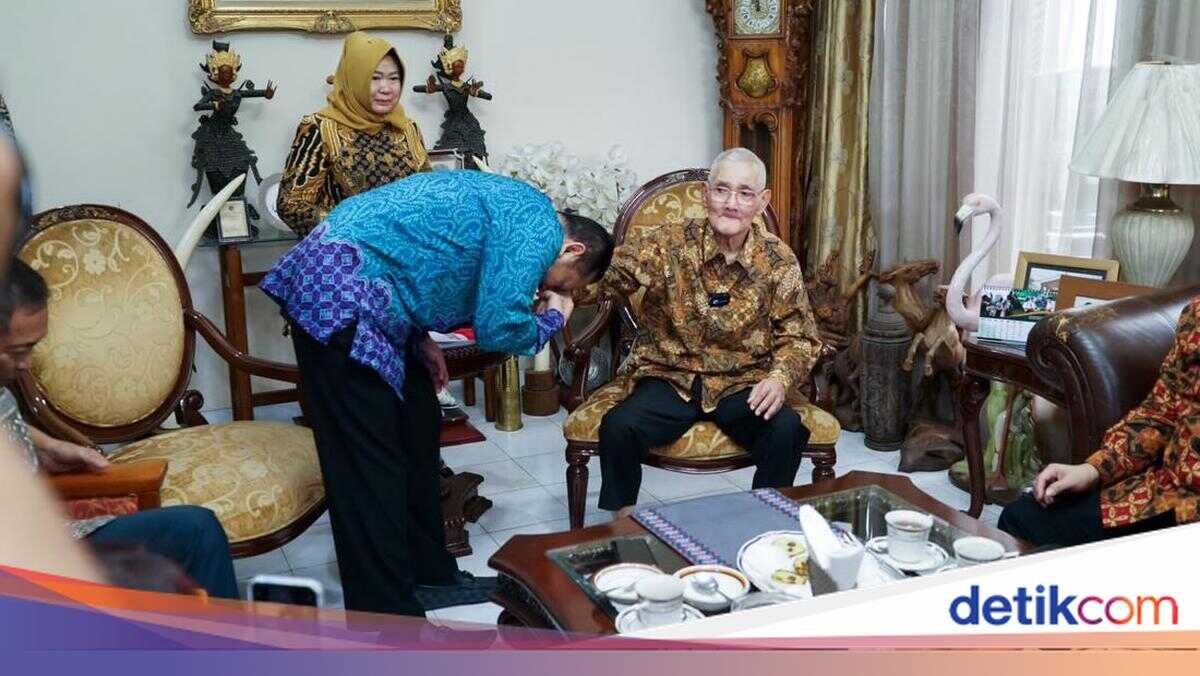
DPR member Bambang Soesatyo has expressed deep condolences over the death of Indonesia’s sixth Vice-President, retired General Try Sutrisno. For Bamsoet, the late figure was a true military leader who consistently reflected on the nation’s future, particularly regarding Pancasila, the integrity of the Indonesian state, and the country’s constitutional direction.
Amid political circumstances that are often tumultuous and filled with short-term interests, Bamsoet explained, Try Sutrisno was known as a figure who remained calm, thought strategically ahead, and dared to speak out.
“Pak Try was a true soldier. His manner of speaking was calm, but his message was profound. At such an advanced age, he continued to follow the nation’s development and kept reminding us about the state’s foundations and constitution,” said Bamsoet in his statement on Monday, 2 March 2026.
Bamsoet noted that as Commander of the Armed Forces from 1988 to 1993, Try Sutrisno directly experienced important periods in Indonesian history. He was within the circles of power leading up to the 1998 Reformation, and witnessed major changes when the 1945 Constitution was amended four times between 1999 and 2002.
These changes, according to Bamsoet, shifted many fundamental aspects of the state system, from the MPR’s position no longer being the highest state institution to the strengthening of the presidential system through direct presidential elections by the people. Since then, the relationship between government and the DPR became more balanced, and the multiparty system developed very dynamically.
“He often said that democracy is important and must be protected. But we must also dare to evaluate. We must not let the system we build move away from our nation’s own character,” said Bamsoet.
This Deputy Chairman General of the Golkar Party explained that during national meetings with MPR leadership in 2019-2024, Try Sutrisno frequently stated that constitutional amendments were a historical product born from the spirit of Reformation. However, every historical product remains open for review if there are aspects that seem misaligned with contemporary needs.
“He often said that change is natural in democracy. But we must not lose direction. Indonesia’s presidential system has its own distinctive characteristics. We should not blindly imitate Western systems without considering our nation’s character. That is why he proposed restoring the 1945 Constitution to its original format,” explained Bamsoet.
Bamsoet added that Try Sutrisno’s desire to review the results of the fourth amendment to the 1945 Constitution does not mean he wanted to return to the past. Rather, Try Sutrisno wanted to ensure that changes that had occurred truly strengthened the state.
In various meetings, Try Sutrisno also reminded the nation to maintain Pancasila as its primary foundation. He was concerned that if the political system became too pragmatic and overly liberal without strong ideological control, the nation’s identity could gradually erode.
“Pak Try always emphasised three things: Pancasila, the integrity of the Indonesian state, and Indonesia’s distinctive presidential system. According to him, these three things are one package. If any one of them wavers, the nation’s balance could be disrupted,” concluded Bamsoet.