
Health Minister: Nutri-level can create FOMO to encourage healthier living
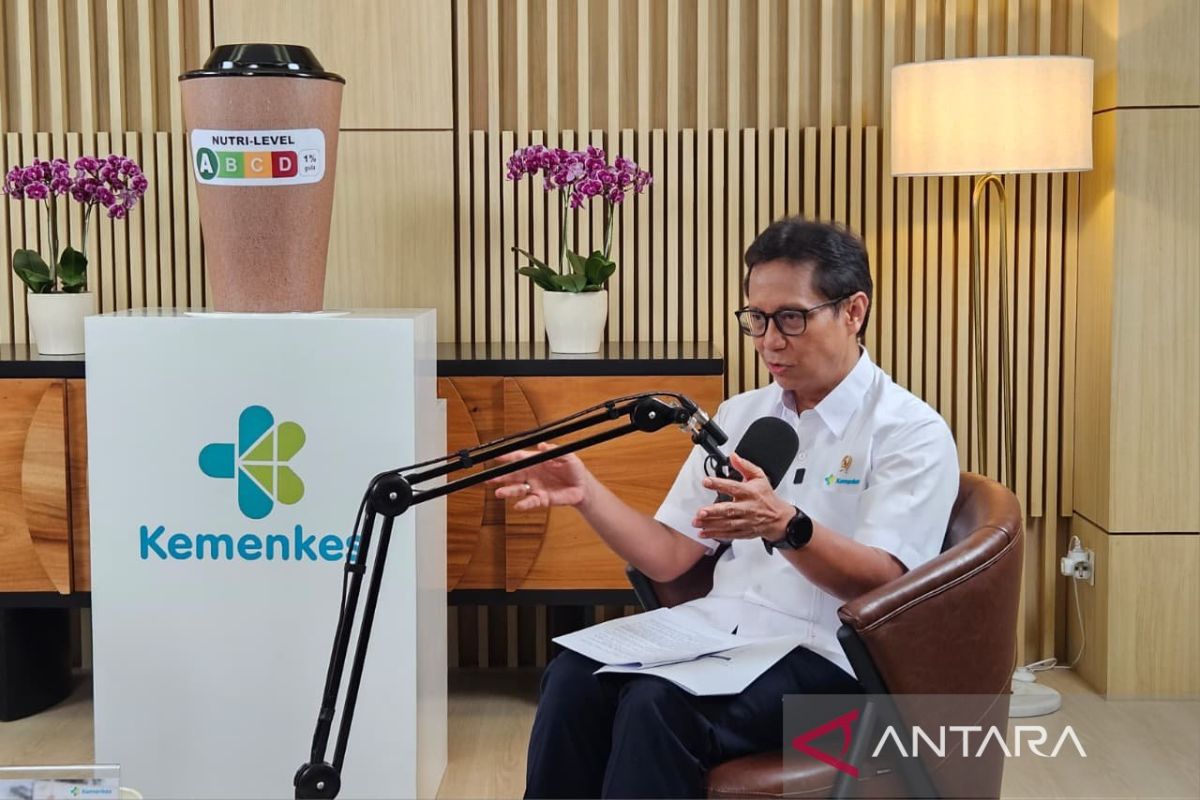
Jakarta (ANTARA) - Health Minister (Menkes) Budi Gunadi Sadikin said that the nutrition labelling policy or Nutri-level can create a fear of missing out (FOMO) that can encourage the public to adopt a healthier lifestyle. By creating this FOMO, the Minister hopes that others will follow suit in living healthily. Since the issuance of the Minister of Health’s decision HK.01.07/MENKES/301/2026 on the inclusion of nutrition labels or Nutri-level, his side has received positive responses from both the public and industry. “Not only from the public, but also mall managers have come, saying ‘we want to implement it’. There are also restaurant chains that are ready to implement it. And they also want to gain an image that they are providing healthy food and drinks,” said the Minister in a podcast with ANTARA in Jakarta on Wednesday. The Minister gave an example that a running programme to lower blood pressure is harder to succeed compared to running during Car Free Day (CFD), which is considered cooler. People, he said, flock to join the run during CFD. Therefore, in the initial stage, Nutri-level is still in the form of recommendations and education. The Minister added that education on choosing healthy food and drinks through Nutri-level has proven effective when viewed from its implementation in other countries, so his side adopted it as an effort to maintain public health. Several countries that implement Nutri-level or Nutri-score include France, Singapore, Belgium, Switzerland, and several European countries. The public and industry, he said, need to understand the importance of implementing nutrition labelling, given the high burden of mortality in Indonesia caused by non-communicable diseases. “What surprises me as someone from the Ministry of Health is that the biggest cause of death for Indonesians is actually stroke, our records show 300,000 per year,” said Minister Budi. The highest cause of death, he said, is followed by heart disease at 250,000 per year, then cancer and kidney disease around 50,000-60,000 per year. “The BPJS costs are also huge. For heart disease, if I’m not mistaken, it’s Rp17 trillion per year,” said Health Minister Budi Gunadi Sadikin.