
Government accelerates bioenergy development from cassava to palm oil
Cassava plants will be converted into ethanol as fuel. The government is also accelerating palm oil development, with some production directed towards biofuel.
Jakarta — The Indonesian government is accelerating bioenergy development based on agricultural commodities such as cassava, palm oil, sugarcane, and maize as part of efforts to accelerate national energy self-sufficiency.
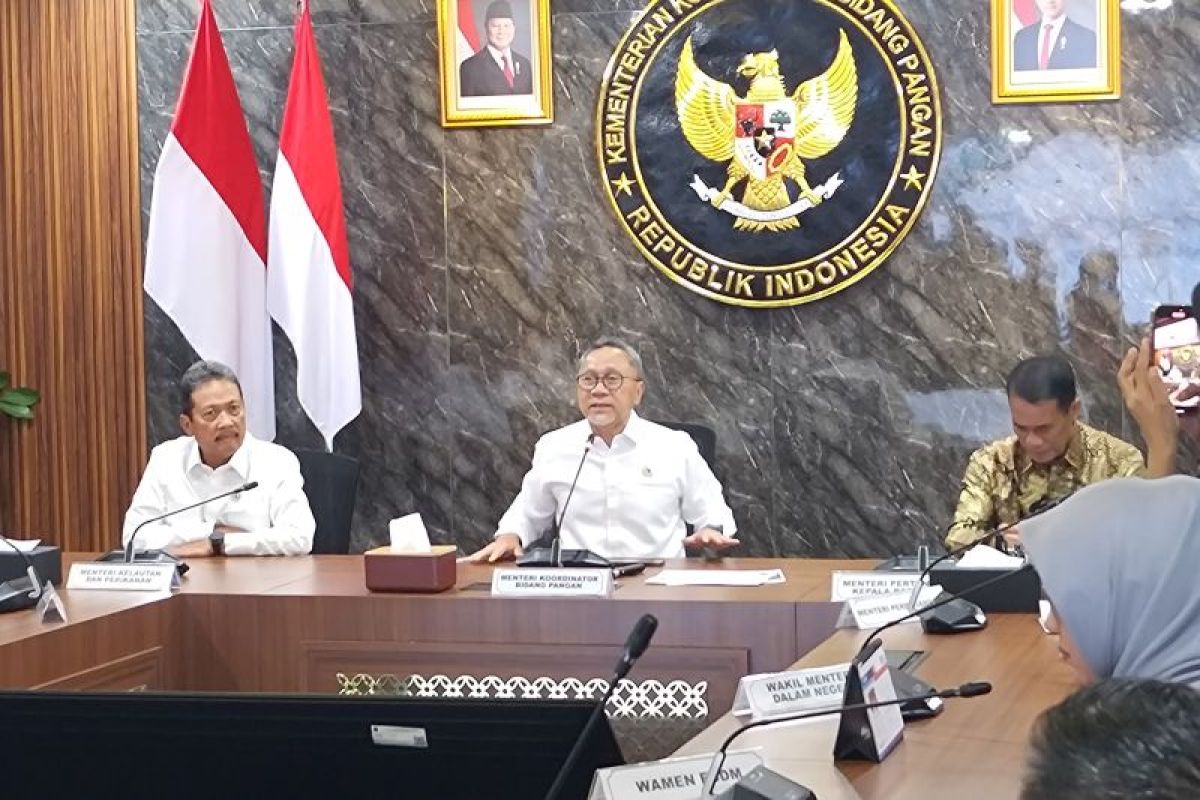
Coordinator Minister for Food Zulkifli Hasan (Zulhas) said the acceleration was being carried out on the instruction of the President to strengthen national energy independence.
“We have just completed a coordination meeting, and on the President’s orders, acceleration of energy self-sufficiency is necessary,” Zulhas said after a limited coordination meeting in Jakarta on Friday.
He explained that one of the steps the government is preparing is to expand the development of cassava crops that will be processed into ethanol as alternative fuel.
“Cassava plants will be converted into ethanol. Then acceleration of palm oil development, with some for biofuel,” he said.
Zulhas added that other commodities such as sugarcane and maize will also be utilised as raw materials for ethanol production in the development of national bioenergy.
“Then sugarcane and maize for ethanol,” he added.
The government has not yet provided further details on production targets for bioenergy from these agricultural commodities. However, the utilisation of cassava, sugarcane, maize, and palm oil for alternative fuel is described as a step to strengthen energy diversification and reduce dependence on fossil fuels.
Meanwhile, the Ministry of Energy and Mineral Resources (ESDM) is planning to implement 20 per cent ethanol blending in petrol (E20) by 2028 as an effort to reduce petrol imports.
The Ministry of Agriculture is also projecting maize production in 2026 to reach approximately 18 million tonnes of dried kernels, supported by increased yields of around 4.18 per cent in the first quarter of the year.
In addition to bioenergy development, the government is also accelerating the construction of national electricity infrastructure in accordance with the instructions of President Prabowo Subianto, including the development of solar power plants (PLTS) of up to 100 gigawatts (GW).
“We will also convert our vehicles from petrol to electric,” he said.