
Forestry Minister Emphasises Inclusivity in National Carbon Trading
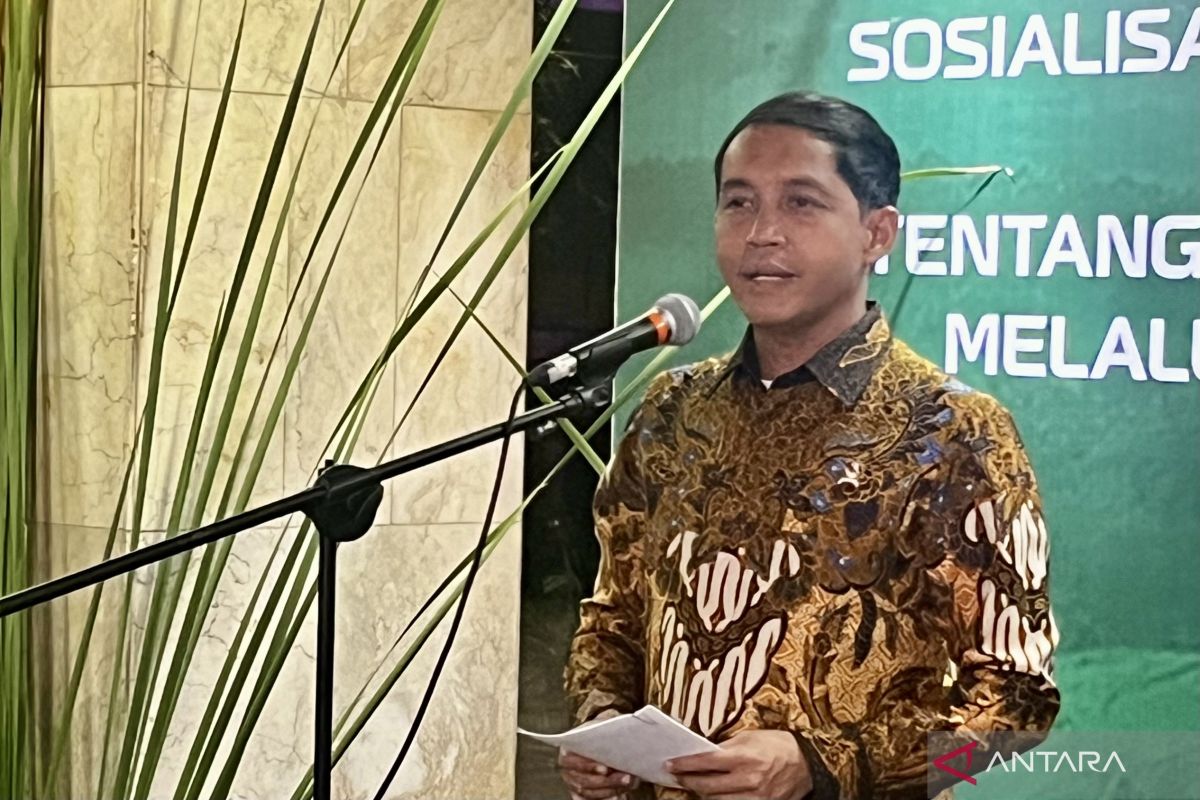
Jakarta (ANTARA) - Forestry Minister Raja Juli Antoni has affirmed that forestry carbon trading in Indonesia must uphold values of openness and inclusivity. “Based on the President’s directive (Prabowo Subianto), this carbon trading is inclusive and open, not only to private parties but also involving communities, with the ultimate aim of preserving forests while improving community welfare,” said Forestry Minister Raja Antoni during a press conference at the Dr. Soedjarwo Auditorium, Manggala Wanabakti Building, Ministry of Forestry (Kemenhut) RI, Jakarta, on Wednesday. This value, he continued, is a mandate enshrined in Presidential Regulation (Perpres) No. 110 of 2025 on the Implementation of Economic Value Instruments for Carbon and National Greenhouse Gas Emission Control. This regulation is further strengthened by the Minister of Forestry Regulation No. 6 of 2026 on the Procedures for Carbon Trading through Greenhouse Gas Emission Offsets in the Forestry Sector, which was promulgated on 13 April 2026. “This regulation also emphasises one important point, where forestry carbon trading must not become a closed and exclusive space,” stated the Forestry Minister. Through recognition of social forestry schemes and customary forests, he said communities are positioned as legitimate and equal participants in the system. “Those who guard the forests, maintain land cover, and care for ecosystems now have the opportunity to share in the economic benefits from carbon,” said Raja Antoni. He views this as one form of the state’s appreciation for grassroots forest guardians, as well as a tangible manifestation of social justice in the process of transitioning to a green economy. “I want to reaffirm that this is an open carbon trading process that not only involves the private sector in carbon markets but also farmers in social forestry and indigenous communities,” he stated. In addition, the government also seeks to ensure that the economic value of carbon is an important part of efforts to increase the economic value of forests and serves as an incentive for forests to remain preserved, ecosystems maintained, and communities to receive fair benefits. “In the future, carbon must become a sustainable funding source for conservation, rehabilitation, ecosystem restoration, and sustainable forest management. Thus, the economic benefits generated will align with ecological and social benefits,” said Forestry Minister Raja Antoni.