
Expert: Police Force Position Should Remain Directly Under President
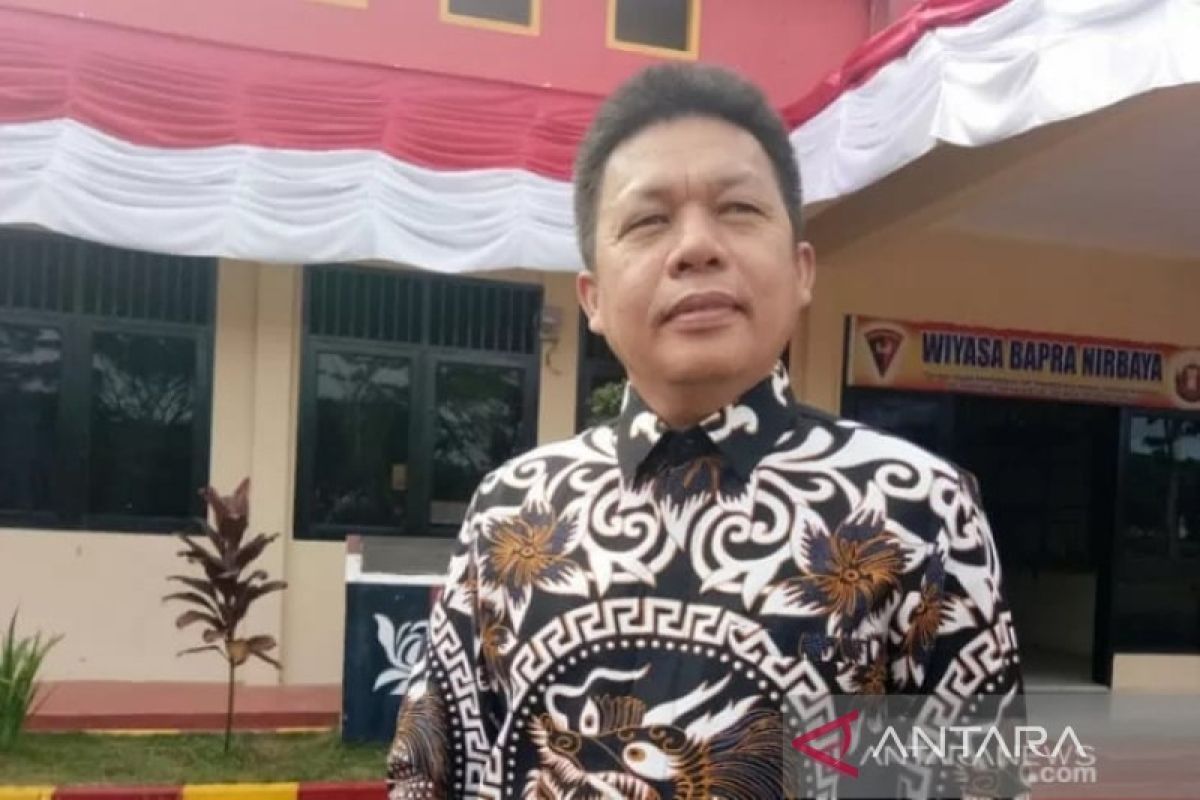
Jakarta — Dr Edi Hasibuan, a policing law expert at Bhayangkara University Jakarta, has stated that the most appropriate position for the Indonesian National Police (Polri) is to remain directly under the President and be answerable directly to the President.
Hasibuan further argued that the Police Chief must be appointed and dismissed by the President following approval from the House of Representatives (DPR).
“Based on the academic studies we have conducted, there is nothing better than this arrangement. Polri’s position already aligns with Indonesian constitutional law,” Hasibuan said during a statement in Jakarta on Sunday.
He made these remarks after serving as a speaker at a national webinar titled “Polri’s Position from an Academic Perspective,” organised by the Association of Indonesian Law and Criminology Lecturers (ADIHGI).
Hasibuan expressed hope that Polri would not be continually politicised or drawn into discussions about placing it under a ministry.
“The idea of placing Polri under a ministry is outdated and represents a significant step backward,” said the author of several books on police law and police law policy.
Regarding proposals that the President alone should select the Police Chief without going through the House’s Commission III, Hasibuan considered such a suggestion inappropriate.
“Based on the academic research we have conducted, the selection of the Police Chief must still require House approval to ensure oversight,” said the former member of the National Police Commission (Kompolnas) for 2012–2016.
The webinar, attended by students and legal practitioners, also featured Dr Kurniawan Tri Wibowo, SH., MH., a criminal law expert from Amikom Purwokerto. The event was moderated by Alfahrizal, SH.
According to Kurniawan, Polri’s position under the President has proven effective. The police force’s performance has garnered considerable appreciation. “If there are shortcomings, those are certainly what we should address, not its institutional position,” he said.