
Envisioning Spatial Inclusivity and Sustainable Coating Transformation
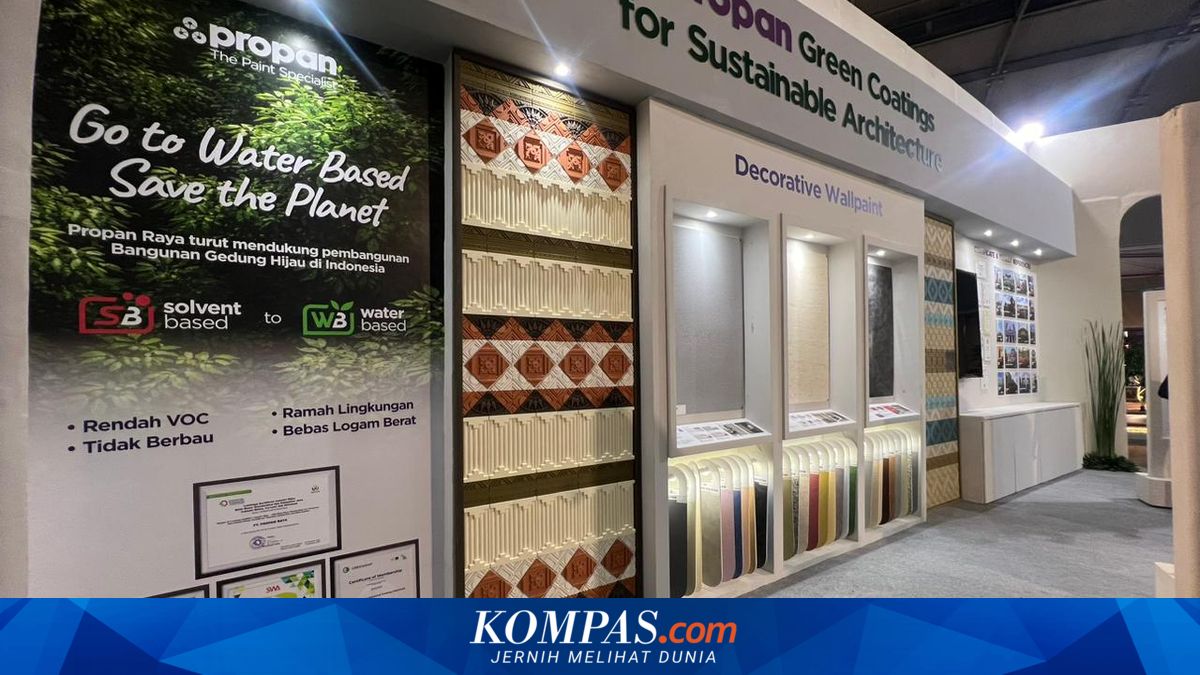
JAKARTA, KOMPAS.com - Propan Raya is reinforcing the transition in building coating technology from solvent-based materials towards environmentally friendly alternatives through its participation in ARCH:ID 2026.
At this architecture exhibition, taking place from 23 to 26 April 2026 at ICE BSD, the paint company is promoting a vision of sustainable architecture via a campaign for innovative water-based products.
This step forms part of the company’s commitment to green building standards, which began in 2011.
The shift to water-based products is considered crucial as it reduces exhaust gas emissions, improves occupant health factors, and minimises environmental impact compared to conventional products.
The entire product line has been developed to meet the specifications of modern architectural projects that demand high performance without neglecting sustainability aspects.
“We hope that Propan’s presence can increase awareness of the importance of using water-based products as a healthier and more environmentally friendly painting solution,” said CEO of Propan Raya, Kris Rianto Adidarma, quoted on Friday (24/4/2026).
This year’s ARCH:ID organisation adopts the theme “Synthesis Scheme,” a concept formulated by three female curators: Afwina Kamal, Trianzani Sulshi, and Dhanie Syawalia.
This theme stems from a desire to break the exclusivity of the architectural profession and encourage cross-disciplinary collaboration.
Afwina Kamal explained that the concept starts from inclusivity, meaning equal roles in the construction ecosystem.
Trianzani Sulshi added that the idea is translated into the phrase “Taking Space as a Shared Language.”
In the context of the exhibition, this is realised through strict regulations requiring every booth participant to collaborate with other professions, from lighting designers to performing artists.
“Architecture has been in isolation for too long. It is time for architecture to stand more holistically by embracing other disciplines,” Trianzani emphasised.
This curatorial approach also touches on the functional aspects of the exhibition space, including accessibility for people with disabilities, the elderly, and children, to ensure that the message of collaboration can be felt by the entire spectrum of visitors.