
Environment Minister Designates 20 Priority Agglomeration Areas for Waste-to-Electricity Processing
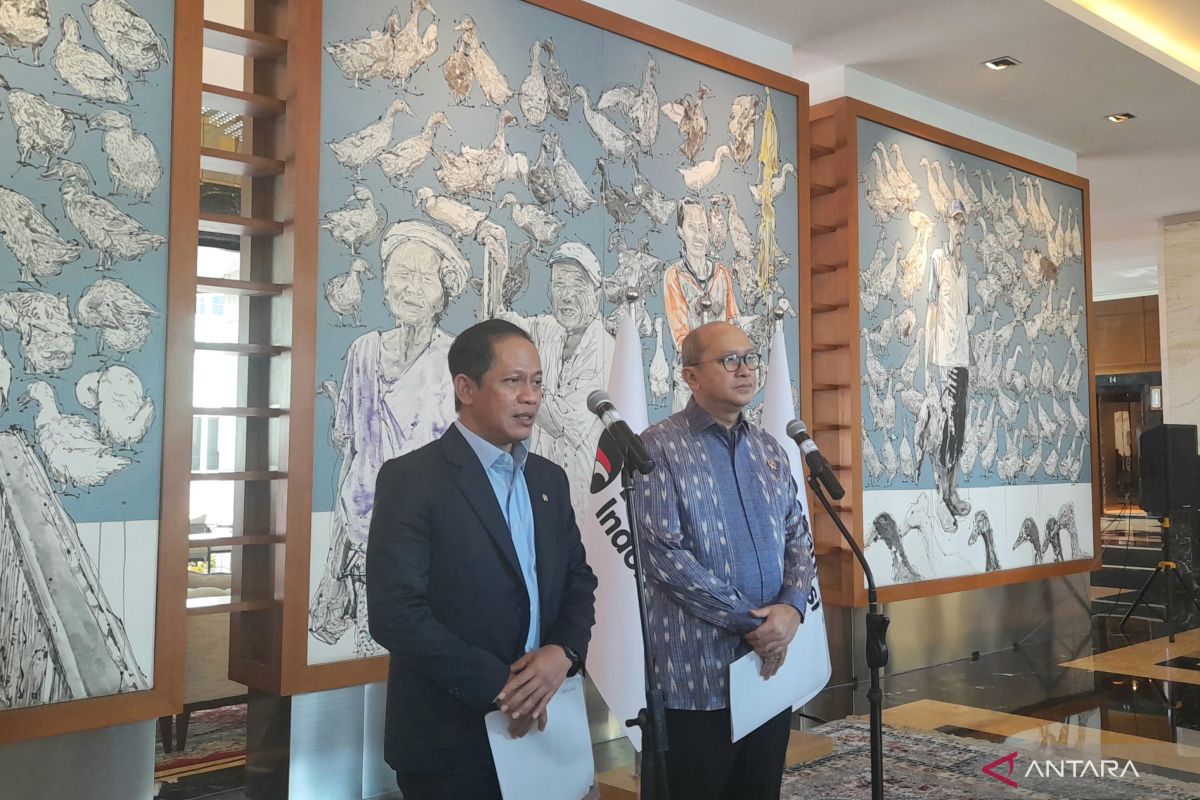
Jakarta (ANTARA) - Environment Minister Hanif Faisol Nurofiq has designated 20 agglomeration areas across 47 regencies and cities as priority investment zones for Waste-to-Electricity Processing (PSEL).
Hanif stated that President Prabowo Subianto has requested prioritisation of waste management in urban and agglomeration areas generating more than 1,000 tonnes of waste per day for PSEL.
This was conveyed during a press conference with the Minister of Investment and Downstreaming/Head of BKPM Rosan Roeslani at the Danantara Building in Jakarta on Tuesday.
“The Ministry of Environment (KLH) has designated 20 agglomerations across 47 regencies and cities. Of these 20 agglomerations, four have been completed by Danantara, the remaining 16 are complete, and we will complete the others later,” he said.
Hanif explained that these 20 agglomeration areas have met the first-stage requirements and have received official decrees from the KLH.
Meanwhile, cities generating 500-1,000 tonnes of waste per day do not meet the primary requirements of the Presidential Regulation (Perpres) that designates priority PSEL areas with waste generation exceeding 1,000 tonnes.
To date, based on monitoring and evaluation by a joint team, there are seven agglomeration areas across 26 regencies and cities with waste generation of 500-1,000 tonnes per day.
“The joint team has confirmed their sufficiency and compliance with requirements for PSEL development, so the Environment Minister has issued recommendation letters. Why not decrees? Because under Perpres 109, PSEL may only be utilised in urban agglomerations with waste generation of 1,000 tonnes or more per day,” he said.
He continued that there are still four agglomeration areas across 14 regencies and cities in the verification stage and yet to receive recommendations due to incomplete prerequisites.
Therefore, Hanif stated that to date, a total of 31 agglomeration areas across 86 regencies and cities have been submitted for PSEL investment follow-up.
“The Ministry of Environment will continue to oversee the development and on-site management,” he added.
Meanwhile, Minister of Investment and Downstreaming/Head of BKPM Rosan Roeslani stated that Danantara and KLH continue to collaborate on investments in other technologies supporting the PSEL programme.
“We are open to other technologies, but importantly, we prioritise technologies that have proven to work well in many countries,” said Rosan.
Currently, the government prioritises ensuring that PSEL operations run smoothly, quickly, and most importantly, are accepted by the community, particularly in the areas where waste processing takes place.