
El Niño Probability Reaches 80%, BMKG Urges Vigilance Against Forest and Land Fires!
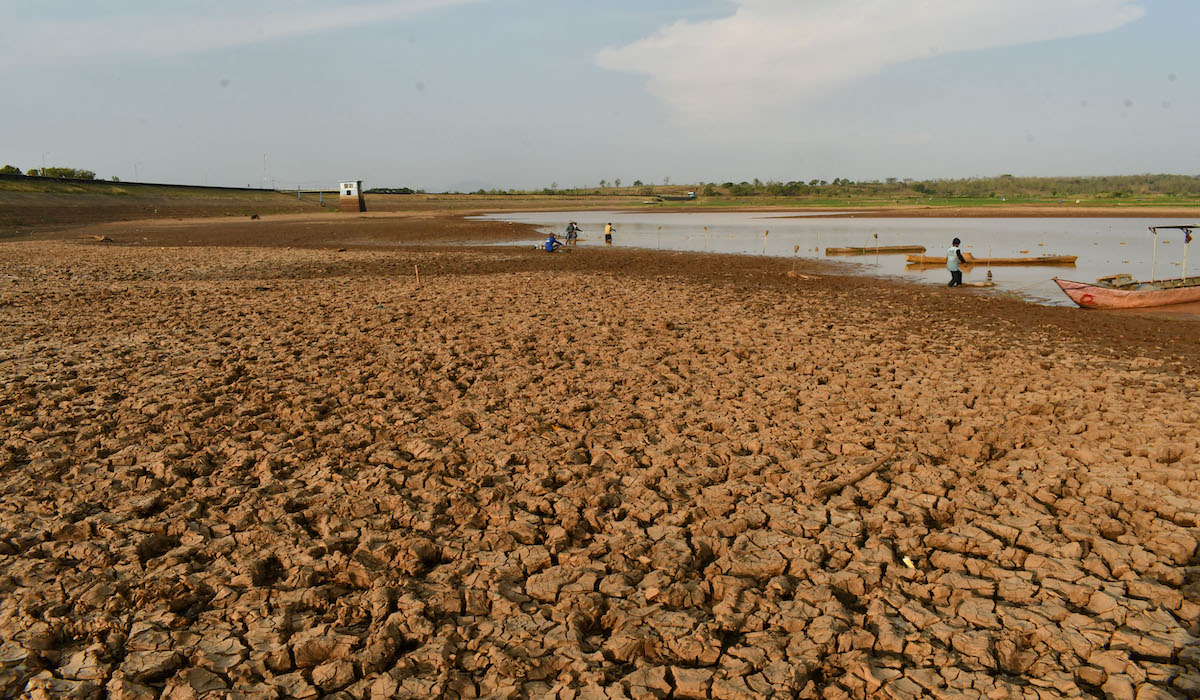
The Meteorology, Climatology, and Geophysics Agency (BMKG) has sounded an early alarm regarding the threat of forest and land fires (karhutla) in 2026. The agency predicts that a weak to moderate El Niño phenomenon could emerge in the second half of next year, with a probability of 50% to 80%.
BMKG Head Teuku Faisal Fathani stated that the current El Niño Southern Oscillation (ENSO) condition remains in a neutral phase. Nevertheless, signals of strengthening towards El Niño are beginning to appear and must be anticipated, as they risk intensifying the dry season in Indonesia.
According to BMKG, the 2026 dry season could arrive earlier, last longer, and create generally drier climatic conditions than normal. This situation is assessed to open greater opportunities for the emergence of hotspots and the spread of fires, particularly in vulnerable areas.
Faisal emphasised that the dry season and El Niño are not the same phenomenon. The dry season is an annual climate cycle, whereas El Niño is a global climate anomaly. However, when they occur together, rainfall can drop much more sharply, triggering more severe droughts.
ENSO itself is a global climate phenomenon influenced by changes in sea surface temperatures and air pressure in the tropical Pacific Ocean. This phenomenon consists of three phases: El Niño, La Niña, and neutral. For Indonesia, the El Niño phase is associated with reduced rainfall, increased drought risk, and threats of karhutla.
BMKG’s warning comes amid a rise in the number of hotspots. Up to early April 2026, BMKG recorded 1,601 hotspots in Indonesia, higher than the same period in previous years.
BMKG maps the potential increase in karhutla to become visible in Riau starting in June. The risk is then expected to spread to Jambi and South Sumatra, before moving to West Kalimantan and South Kalimantan in July to August.
To suppress the risk, BMKG is preparing mitigation measures through Weather Modification Operations (OMC), particularly with a land rewetting approach in peat areas. This step is taken to maintain soil moisture when groundwater levels begin to fall, so the land is not easily ignited.
BMKG also stresses that vigilance cannot rely solely on the central government. Local governments, businesses, and communities are urged to increase readiness from now on, so that the karhutla threat does not turn into a major disaster when the dry season peaks.