
East Java Provincial Government Allocates Rp46.8 Billion for Secondary and Vocational School Facility Rehabilitation
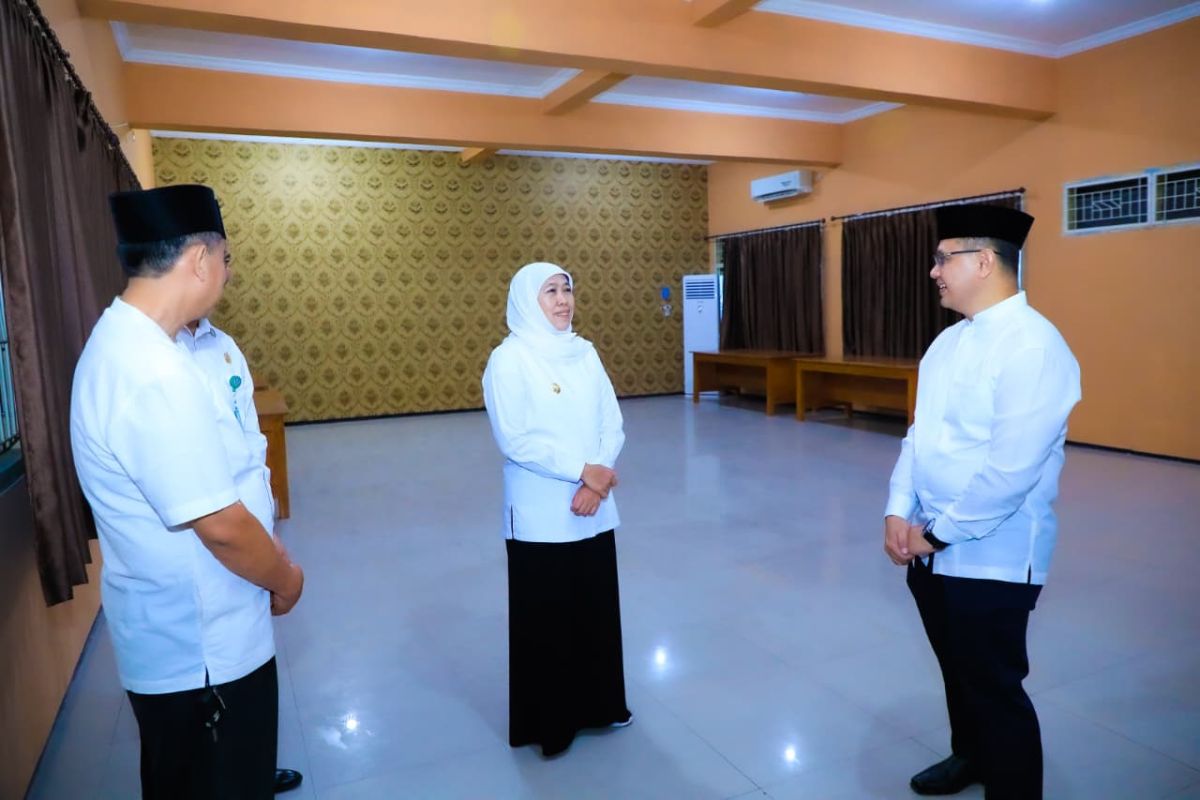
Jombang — The East Java Provincial Government has allocated Rp46.8 billion for the rehabilitation and revitalisation of facilities and infrastructure across 51 secondary schools, vocational schools, and special needs schools—both public and private.
The schools are spread across Jombang, Nganjuk, and Blitar regencies. The allocation breakdown is as follows: Jombang Regency received Rp13.9 billion for 16 educational institutions, Nganjuk Regency received Rp13.3 billion for 14 institutions, and Blitar Regency received Rp19.5 billion for 21 educational institutions.
“This is part of our efforts to maintain the quality of secondary and vocational education so it remains relevant to contemporary developments, labour market needs, and future challenges,” said East Java Governor Khofifah Indar Parawansa in a statement issued in Jombang on Thursday.
The initiative also aims to establish a safe and comfortable educational ecosystem for school communities.
“When the learning environment is better supported by facilities and infrastructure, teachers are more comfortable, the learning ecosystem improves, and students benefit as well, which will drive exceptional achievements,” she said.
Governor Khofifah added that the provincial government has formally inaugurated the programme.
She described the inauguration not as a mere ceremonial event but as a reaffirmation of collective commitment that education is the top priority in building East Java’s superior, character-driven, and competitive human resources.
“This demonstrates the state’s commitment to making the learning process more conducive and higher in quality,” she said.
According to Governor Khofifah, education is a long-term endeavour whose benefits may not be felt immediately but will be reaped by future generations. For this reason, today’s inauguration of infrastructure rehabilitation and revitalisation is not simply physical construction but an investment in civilisation.
This moment marks a broader transformation of East Java’s education system. Development does not end with providing facilities but is directed towards strengthening learning quality, deepening the meaning of education, and preparing a generation capable of facing future complexity.
“This is a concrete manifestation of our commitment to upholding the dignity of education whilst caring for our children’s future,” she said.
According to the Governor, schools are spaces for growth—places where the values, character, and dreams of our children are woven together. Therefore, when government carries out school rehabilitation and revitalisation, what is actually being done is upholding the dignity of education whilst caring for the future of the next generation.
The programme goes beyond improving facilities and infrastructure; it is also aimed at creating a healthy learning ecosystem encompassing safe classrooms, adequate sanitation, sufficient learning support facilities, and a child-friendly school atmosphere.
Meanwhile, East Java Provincial Education Office Head Aries Agung Paewai noted that the revitalisation and rehabilitation of school facilities in Jombang, Nganjuk, and Blitar regencies represents the provincial government’s ongoing efforts to provide equitable, quality education.
As part of the revitalisation and rehabilitation process, schools are also receiving new facility development to support modern learning that is relevant to current needs.
Aries urged all school communities to participate in maintaining the facilities and infrastructure that have been revitalised and rehabilitated.
“These facilities should not merely be used but also properly maintained and enhanced so they continue to effectively support the learning process for our teachers and students,” said Aries.