
Draft Domestic Worker Protection Law to Regulate BPJS and Employment Agreements
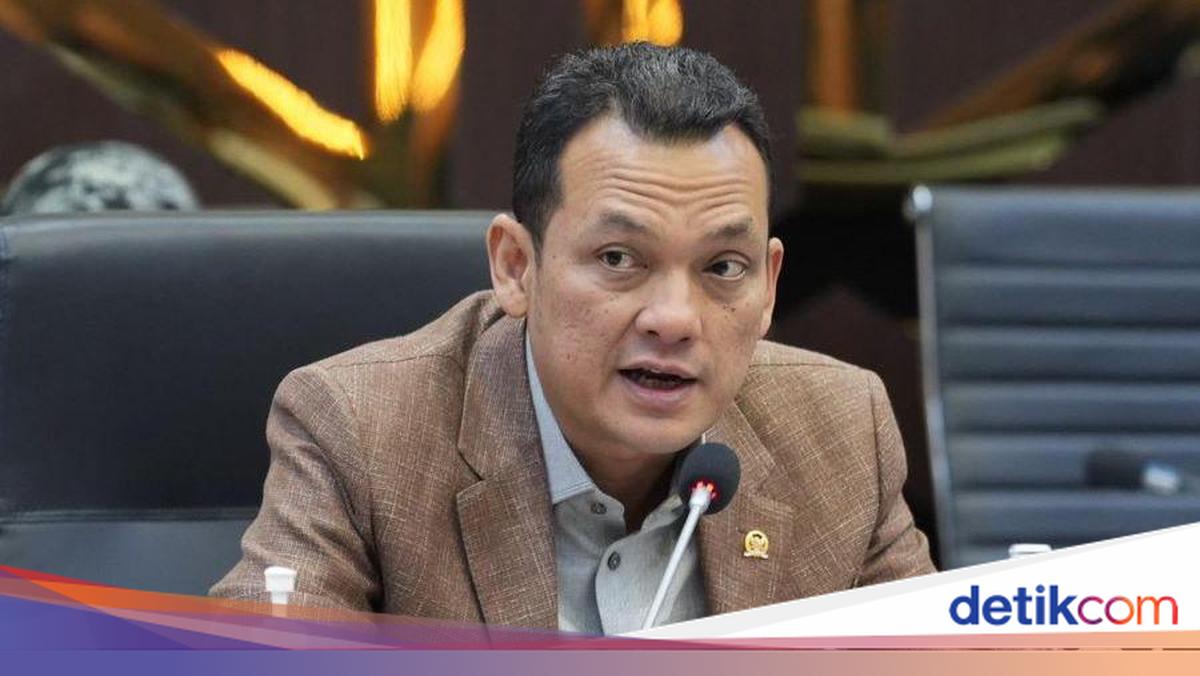
Martin Manurung, deputy chair of the DPR’s Legal Commission (Baleg), has disclosed developments in discussions regarding the draft Domestic Worker Protection Law (RUU PPRT). In the latest draft, the legislation will regulate BPJS coverage and employment relationships between domestic workers (PRT) and employers.
Manurung made these comments during a Legal Commission joint session with the Ministry of Manpower at the Parliament Complex in Senayan, Jakarta, on Wednesday, 11 March 2026. He stated that the latest draft of the RUU PPRT incorporates several refinements compared to previous versions.
He explained that these changes result from input gathered during consultations with various stakeholders invited to the Legal Commission discussions. He outlined five key areas of refinement.
“First, we have strengthened the rights and obligations of each party based on feedback from all stakeholders we’ve invited to the Legal Commission, including employers, domestic workers themselves, and domestic worker placement agencies,” he said.
“Second, we have also strengthened the role of neighbourhood associations (RT RW) and village administrations in efforts to protect domestic workers and all parties involved in this draft law,” he added.
Additionally, the RUU PPRT will facilitate dispute resolution between parties through mechanisms outside the court system. Manurung characterised this approach as an effort to prevent case backlogs in courts and provide faster legal certainty.
The commission has also synchronised criminal sanctions provisions in the RUU PPRT with several other laws, including the Criminal Code (KUHP), the Law on the Elimination of Domestic Violence (UU KDRT), the Law on the Crime of Human Trafficking (TPPO), and the Child Protection Law.
“We are not duplicating regulations already established in other laws,” he explained.
He emphasised that another primary focus of the RUU PPRT is to establish domestic workers’ status as employees, regulate employment relationships between parties, and provide clearer protection for domestic workers.
“Fifth, we have also established employment relations that allow direct recruitment agreements without requiring written documentation; however, written agreements are required when recruiting domestic workers through domestic worker placement agencies,” he clarified.
“This is based on the family-based principles that underpin this law. There is no attempt to industrialise employment relationships across all domestic workers and employers,” he added.
Furthermore, Manurung stated that the RUU PPRT will also regulate social security provisions for domestic workers through BPJS. He noted that BPJS already has products accessible to domestic workers with relatively affordable contributions.
“BPJS has explained that they already have existing products for domestic workers. I cannot recall the exact amount, but if I recall correctly, it is approximately 16,000 rupiah. Combined with BPJS Employment and BPJS Health contributions, the total is approximately 50,000 rupiah,” he stated.
“With a contribution of 50,000 rupiah, both employers and domestic workers gain certainty. If a work-related accident occurs or the domestic worker falls ill, the employer need not cover additional costs as BPJS will handle it directly,” he concluded.