
Draft Bill on Domestic Workers’ Protection to Ban Placement Through Foundations
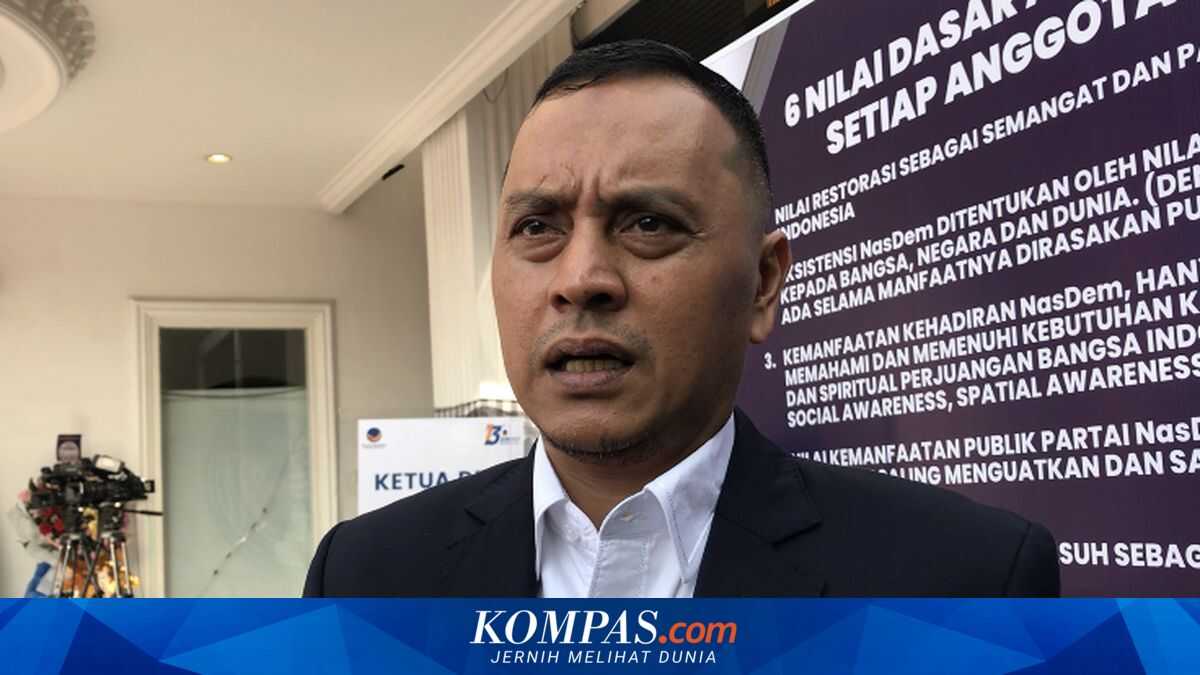
JAKARTA, KOMPAS.com - Chair of Commission XIII of the Indonesian House of Representatives, Willy Aditya, revealed that the Draft Law on Protection of Domestic Workers (RUU PPRT) will regulate a ban on the practice of channeling domestic workers through foundations. According to Willy, until now many placement agencies for domestic workers have used entities in the form of foundations, even though the practice is commercial. ‘For those who are placed by these labour-placement agencies, they must have a legal entity status. So far, many are foundations. It cannot be that they are businesses yet hide behind a foundation. It cannot be. So those who are placed through labour-placement agencies must be given legal certainty; they must be legally incorporated,’ Willy said when contacted on Wednesday (4 March 2026). He assessed that to date there are still practices pointing towards modern slavery. ‘Because in the modern era there are still processes like slavery, that is. This is what must be given a strong warning: there must be no modern slavery.’ Willy said that domestic workers have not yet had certainty regarding access to BPJS if they fall ill or experience job risks. ‘So, will we include them in the PBI (Penerima Bantuan Iuran) group? That is what must be calculated; absorb the aspirations to invite several parties to calculate that. They should be treated as what they will be,’ he explained. The NasDem politician added that the status of domestic workers not yet recognised in the Labour Act is one of the issues that has not yet reached a consensus. ‘If because they are not recognised in the Labour Act, during the previous period there was a proposal that their status would be citizens only—that became a sticking point that has not been resolved yet,’ he concluded. The domestic workers’ work area being domestic and private makes government oversight limited, thereby making them vulnerable to discrimination, exploitation, and even violence. Since 2004, the PPRT Bill has repeatedly appeared on the national legislative programme (prolegnas) in every DPR period. However, until the end of the DPR term 2019-2024, the statute had not been passed. President Prabowo Subianto had previously stated his commitment to pushing the approval of the PPRT Bill. In the May Day commemoration at Monas square, Jakarta, on Thursday (1 May 2025), Prabowo said discussion of the Bill would soon begin in the DPR. ‘We will soon pass the Draft Law on Protection of Domestic Workers. The Deputy Speaker of the DPR present, Mr Sufmi Dasco Ahmad, reported to me that next week this Bill will soon begin to be discussed,’ he said. Most recently, Deputy Speaker of the DPR, Sufmi Dasco Ahmad, stated that the DPR would soon resume the public hearing on the PPRT Bill. ‘Yes, as of the 5th, we will begin public hearings for PPRT, and after Eid, together with the Labour Act, we will hold public hearings because this also discusses several sensitive issues and must be agreed by the parties, so we will hold it regularly,’ Dasco said at the DPR building on Tuesday (3 March 2026).