
DPR Urges Tighter Immigration Oversight as TPPO Methods Grow More Complex
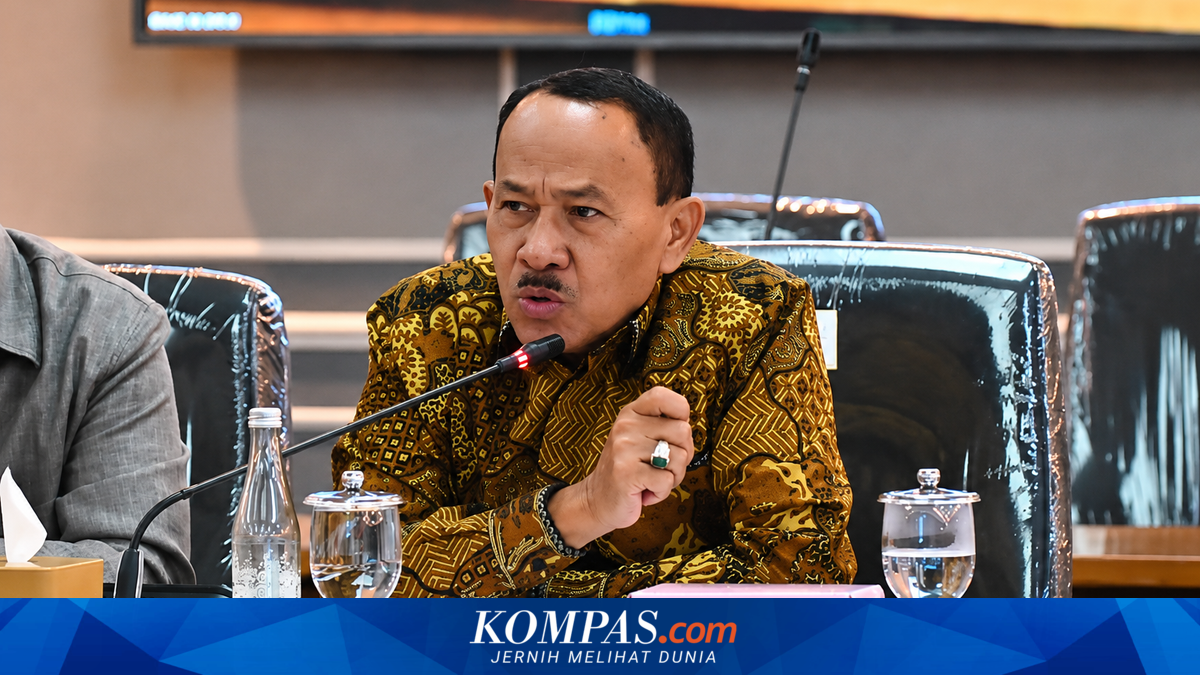
The methods used in human trafficking (TPPO) are becoming increasingly complex, with many victims departing via official routes using complete documentation, yet their intended destinations are manipulated by recruitment networks.
This was stated by Maruli Siahaan, a member of the DPR’s Commission XIII, during a hearing (RDP) with the Directorate General of Human Rights Compliance, Directorate General of Immigration, National Human Rights Commission (Komnas HAM), National Commission on Violence against Women (Komnas Perempuan), and the Witness and Victim Protection Agency (LPSK) at the Parliament Complex in Senayan, Jakarta, on Monday, 25 May 2026.
Maruli assessed that this situation demands a more adaptive risk-mitigation-based surveillance system, particularly at international departure points.
‘We can no longer rely solely on routine administrative checks. Many TPPO victims depart with complete documentation but are exploited in their destination countries. The state must intervene early to prevent citizens from becoming victims,’ Maruli said, citing a DPR press release dated 27 May 2026.
He highlighted several indicators requiring attention, including the productive age range of 18 to 35 years, destinations in TPPO-prone countries, sudden ticket purchases, lack of valid employment contracts, and tourist visas suspected of being used for work.
According to him, such patterns have repeatedly been observed in cases involving Indonesian nationals exploited abroad.
Maruli also called for dedicated anti-TPPO officers at major international departure points such as Soekarno-Hatta, Kualanamu, Batam, Surabaya, Entikong, and Nunukan airports. These officers should not only verify documents but also conduct brief interviews with high-risk passengers to ensure safe and procedural departure intentions.
Countries and regions considered high-risk include Myanmar, Laos, Cambodia, Thailand—which often serve as illegal transit routes—and certain areas in the Middle East.
He proposed additional requirements, such as return tickets to Indonesia for departures suspected of visa misuse or non-procedural travel.
‘In many TPPO cases, these networks cannot operate without system leaks. Therefore, internal oversight must be strengthened seriously and transparently,’ Maruli stressed.
He stated that preventing TPPO requires a coordinated approach through strengthened immigration oversight, human rights protection, victim support, and inter-agency coordination. These steps are crucial to prevent Indonesian citizens from continuing to fall victim to international trafficking networks.