
Do Not Donate from the Proceeds of Corruption
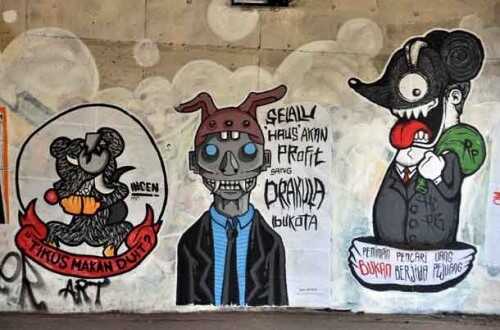
REPUBLIKA.CO.ID, JAKARTA – Generally, acts of corruption are related to the abuse of power. Public officials who dare to commit such acts are betraying the trust that has been given to them.
The eradication of corruption has been a focus since the time of the Prophet Muhammad. As explained in a hadith narrated by at-Tirmidhi, the Prophet sent one of his companions, Mu’adz bin Jabal, to Yemen to teach Islam to the local people.
“When I was about to leave, he sent someone to call me back. So I returned.
He then asked, ‘Do you know why I sent someone to tell you to come back?’ (Mu’adz indicated that he was ready to listen.) Do not take anything without my permission, for that is ghulul.
And whoever commits ghulul will bring what he has taken on the Day of Judgement. That is why I called you. Now, go and fulfil your duty.’
By ‘ghulul’ is meant taking any public wealth without permission.
When the Prophet Muhammad was among his people, he was the reference for the law. Therefore, every Muslim who receives a mandate must do so with his permission.