
Directorate General of Corrections introduces and markets products made by prisoners
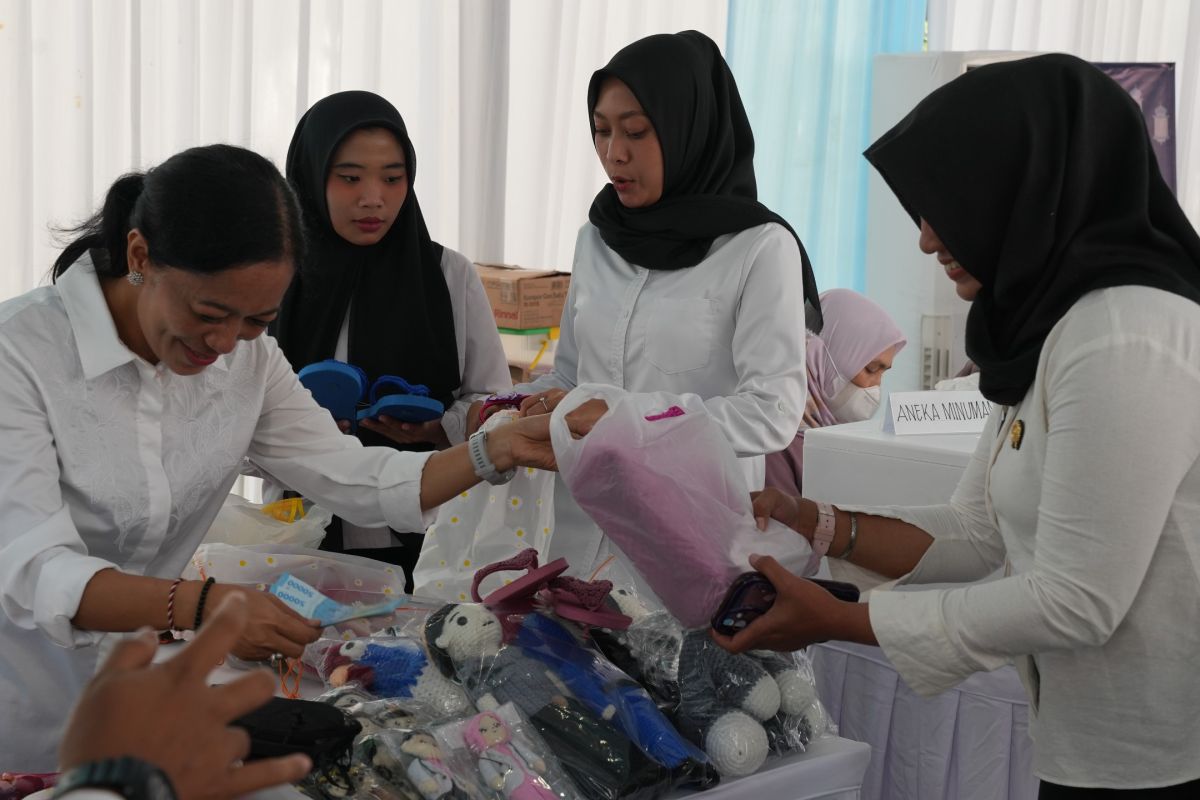
Jakarta — The Directorate General of Corrections (Ditjenpas) introduced and marketed products produced through its rehabilitation of prisoners, including handicrafts and processed foods, at a Ramadan discount bazaar in Jakarta on Thursday.
Director General of Corrections Mashudi stated that the event represents an effort to introduce and market the products created by prisoners so that they become more widely recognised and gain economic value.
“This bazaar is an opportunity to introduce the work of prisoners that is competitive. We want to demonstrate through rehabilitation in the corrections system, they are capable of producing quality products with market value,” said Mashudi.
The Ramadan discount bazaar was held at the Ditjenpas office compound and formed part of the commemoration of the 62nd anniversary of Corrections Service Day.
Mashudi expressed hope that the event would bring blessings to all parties, particularly during Ramadan month.
“In addition to helping meet needs at affordable prices, this activity is also expected to stimulate the wheels of the economy,” he said.
Event organising committee chair Adhayani Lubis said they wished to create a more vibrant Ramadan atmosphere within the Ditjenpas environment whilst introducing various products made by prisoners.
In addition to products from prisoner rehabilitation, the bazaar also featured various other items including products from micro, small and medium enterprises (MSME), food products from Bulog, fresh meat varieties, and handicrafts from Dharma Wanita Persatuan.
“The presence of this bazaar is expected to benefit various parties, both by providing necessities at affordable prices during Ramadan and serving as a means to introduce various products made by prisoners to the public,” said Adhayani.