
Deputy Interior Minister Urges Regional Heads to Abandon Ceremonial Meeting Patterns
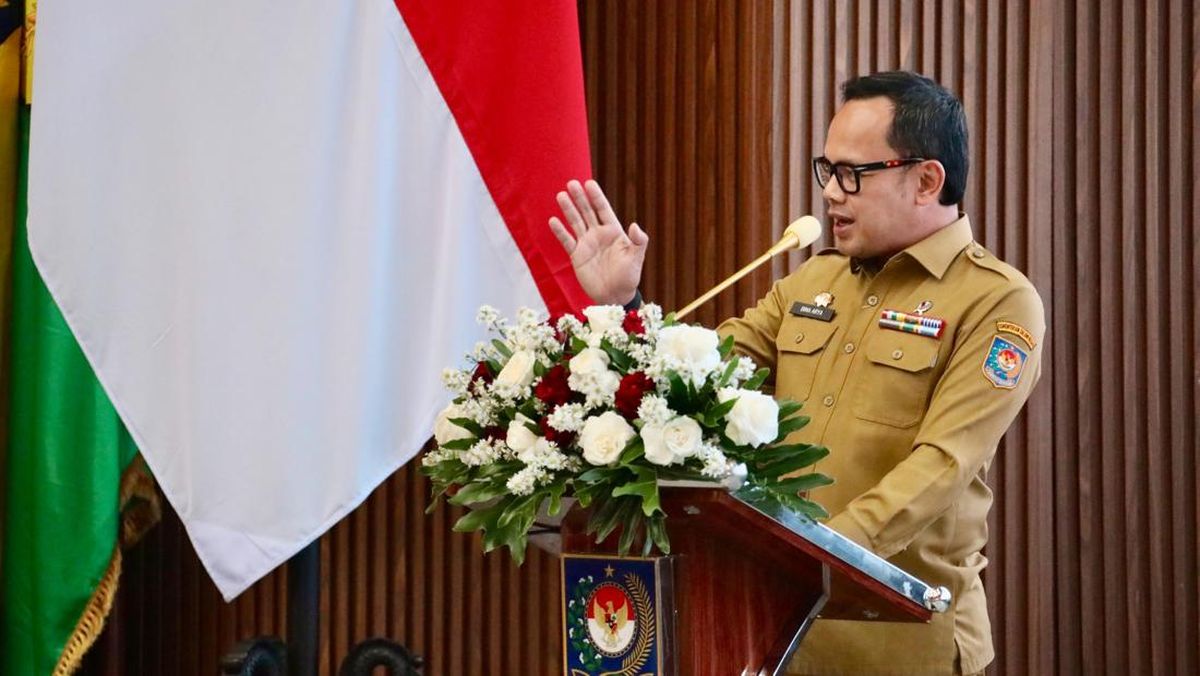
Deputy Interior Minister (Wamendagri) Bima Arya Sugiarto has urged regional heads to abandon ceremonial meeting patterns and begin focusing on direct execution of cross-sectoral programmes. According to him, this progressive step is urgently needed to address various concrete issues, such as food security and rapid, measurable energy transition. “Regional head communication forums have long been limited to administrative and ceremonial matters that go nowhere, whereas now we need a progressive sectoral approach, directly addressing concrete issues, with clear financing,” he stated during the Governors’ Working Meeting (Rekergub) of the Primary Praja Partner Regional Cooperation Forum (MPU) 2026 in Semarang, Central Java, on Tuesday (12/5). He emphasised that the challenges facing regional heads are increasingly complex amid global uncertainties. Moreover, regions are also tasked with overseeing various National Strategic Programmes, including the Free Nutritious Meals (MBG) programme. This situation is seen as even more challenging, especially as Indonesia races to optimise its demographic bonus to escape the middle-income trap and achieve the Golden Indonesia 2045 vision. To that end, Bima encouraged regional heads to set aside sectoral egos that have hindered inter-regional cooperation, particularly in food supply distribution. He stressed the importance of mastering precise, real-time big data so that regions with surplus commodities can support those facing shortages. “This remains our challenge in building real-time data for you to make effective cooperation decisions. Which regions have excess supply, which need it, and what can be collaborated on,” he explained. In addition to food issues, Bima highlighted the importance of accelerating energy transition, particularly in developing the electric vehicle ecosystem. He asked all regional heads to have a uniform understanding of the Interior Minister’s Circular (SE Mendagri) dated 22 April 2026, which regulates full exemptions from Motor Vehicle Tax (PKB) and Motor Vehicle Ownership Transfer Fee (BBNKB) for electric vehicles. According to him, although this policy may pressure Local Original Revenue (PAD) in the short term, its long-term benefits are far greater, from operational efficiency and improved air quality to creating new jobs in the green energy sector. Bima also encouraged regional heads to continue innovating in exploring their respective regional potentials to support economic growth. He asserted that increasing PAD does not always have to come from tax hikes, but can be achieved through creativity and optimisation of local potentials. “Many regions are very creative. They can increase PAD in ways that are actually ordinary but have tremendous impact. These are creative regional heads, not just raising taxes,” he concluded.