
Deputy Interior Minister Monitors WFH Implementation in Lampung to Ensure Optimal Public Services
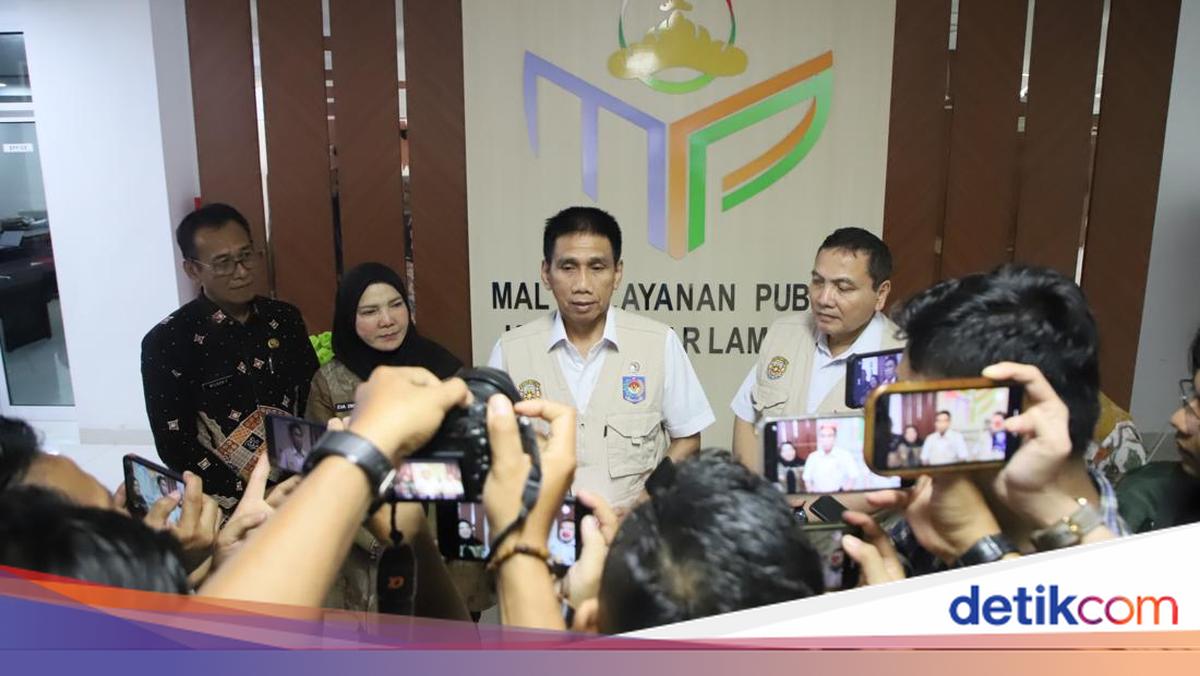
Monitoring was conducted at the Public Service Mall (MPP) in Bandar Lampung City today to ensure that the implementation of WFO and WFH work patterns runs optimally without disrupting services to the public. Wiyagus expressed appreciation to the Lampung Provincial Government (Pemprov) and the Bandar Lampung City Government (Pemkot) for the execution of the policy, which is deemed to be running well.
“Our review results at this location, including the Public Service Mall, are all running smoothly. This means the public is not disrupted by this circular letter. Why? Because the counters are not reduced. And the officers are serving as usual,” said Wiyagus in his statement on Friday (10/4/2026).
He emphasised that the implementation of flexible work patterns is part of the civil servant (ASN) work culture transformation that focuses on performance, accountability, and the utilisation of technology, without reducing the quality of public services.
Furthermore, several service units remain exempt from the WFH policy, such as emergency services, disaster management, fire suppression, and health services.
“The presence of doctors is also complete. Services are as usual, [such as] the Emergency Unit, then to the infant care section, midwifery. Everything is running as usual, without reducing the quality of services that have been running so far,” he explained.
In addition, he stressed that regional heads and structural officials, from district secretaries, sub-district heads, to village heads, continue to carry out their duties from the office to ensure effective coordination and decision-making.
In terms of supervision, local governments in Lampung Province have utilised digital systems to ensure discipline and performance of civil servants working from home.
“Those on WFH also have obligations, attendance [check-in] every morning, then submitting work reports, and also attendance (check-in) in the evening. So it’s still done as usual. Thus, WFH does not reduce employee productivity,” he added.
He also highlighted the importance of efficiency in resource use as part of the work culture transformation, such as saving electricity, water, and optimising the use of office facilities.
“Then also electronic devices are unplugged, and ACs are turned off. This is part of resource efficiency, both electricity, water, and so on,” he concluded.