
Dedication of PKH Facilitators: Data Jihad During Ramadan
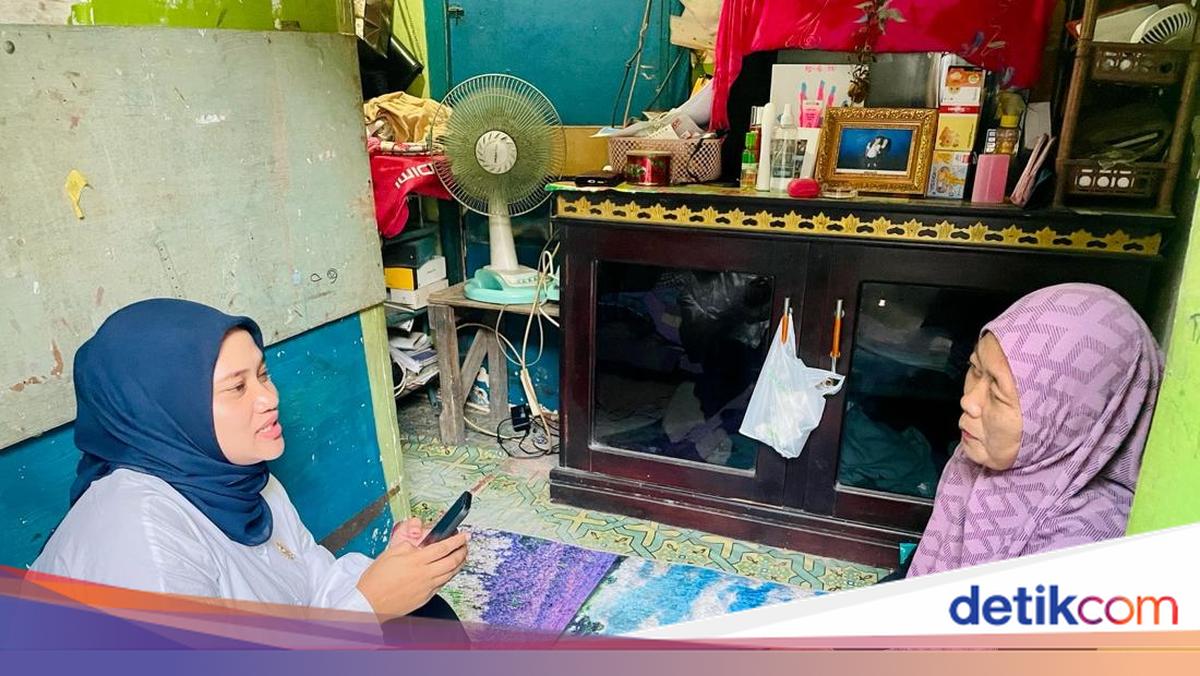
Facilitators of the Family Hope Programme (PKH) play a strategic role in the process of updating the National Single Data on Socio-Economic Status (DTSEN). As frontline operatives conducting ground checks, facilitators are tasked with validating and verifying data whilst reaching citizens who have previously fallen outside state intervention or remained invisible to government systems.
During Ramadan, when fasting takes place, field verification does not cease. Rather, this period serves as a reminder to turn attention to communities not yet reached by development processes, through strengthening data accuracy so that social assistance reaches the correct targets.
One account of the “data jihad” struggle comes from Esti Kiki Riski Sukran (36), commonly known as Kiki. She is a PKH facilitator currently serving as Head of the District Team in Kadia Sub-District, Kendari City, Southeast Sulawesi Province.
“During Ramadan, I continue to carry out DTSEN updates as usual. This activity continues as normal because data updates are crucial to ensure that data on social assistance recipients remains accurate and reflects the latest conditions,” Kiki stated in a written statement on Tuesday, 10 March 2026.
Kiki revealed that by mid-Ramadan, she had updated data for at least 10 Beneficiary Family (KPM) units in Kadia Village and Pondambea Village.
“I have updated data for approximately 10 KPM through direct home visits,” she explained.
Furthermore, Kiki described the data update process as involving home visits to KPM addresses. This is intended to verify the socio-economic conditions of beneficiaries through interviews and observations regarding family circumstances, employment, asset ownership, and changes in household conditions.
“In addition, supporting documents are checked and data in the system is cross-referenced with actual conditions in the field,” she added.
Overall, Kiki noted that KPM members responded positively and cooperatively during home visits. This was demonstrated through their willingness to provide necessary information and report the latest family conditions.
“Some also felt happy because they felt valued and involved in the data update process,” Kiki observed.
Beyond positive responses, Kiki acknowledged several obstacles in the data update process. These include time constraints due to busy community activities during Ramadan or some beneficiaries being absent during visits. Additionally, the hot weather and fasting conditions have presented their own challenges for Kiki.
However, these obstacles have not deterred Kiki’s efforts, as data updates are essential to ensure social assistance reaches those who truly merit it.
“With regular data updates, changes in family economic conditions can be detected, making social assistance distribution more precisely targeted,” she stated.
Kiki added that data updates are highly effective in correcting previously inaccurate data or information that no longer aligns with current conditions. Through direct field verification, data can be corrected to become more valid and serve as a foundation for future policy decisions.
“My hope going forward is that the data update process can continue regularly with better system support. This way, social welfare data will become increasingly accurate and social assistance distribution can proceed more precisely targeted,” she concluded.