
Chinese Foreign Minister Discusses Middle East Situation with Four Islamic Nations
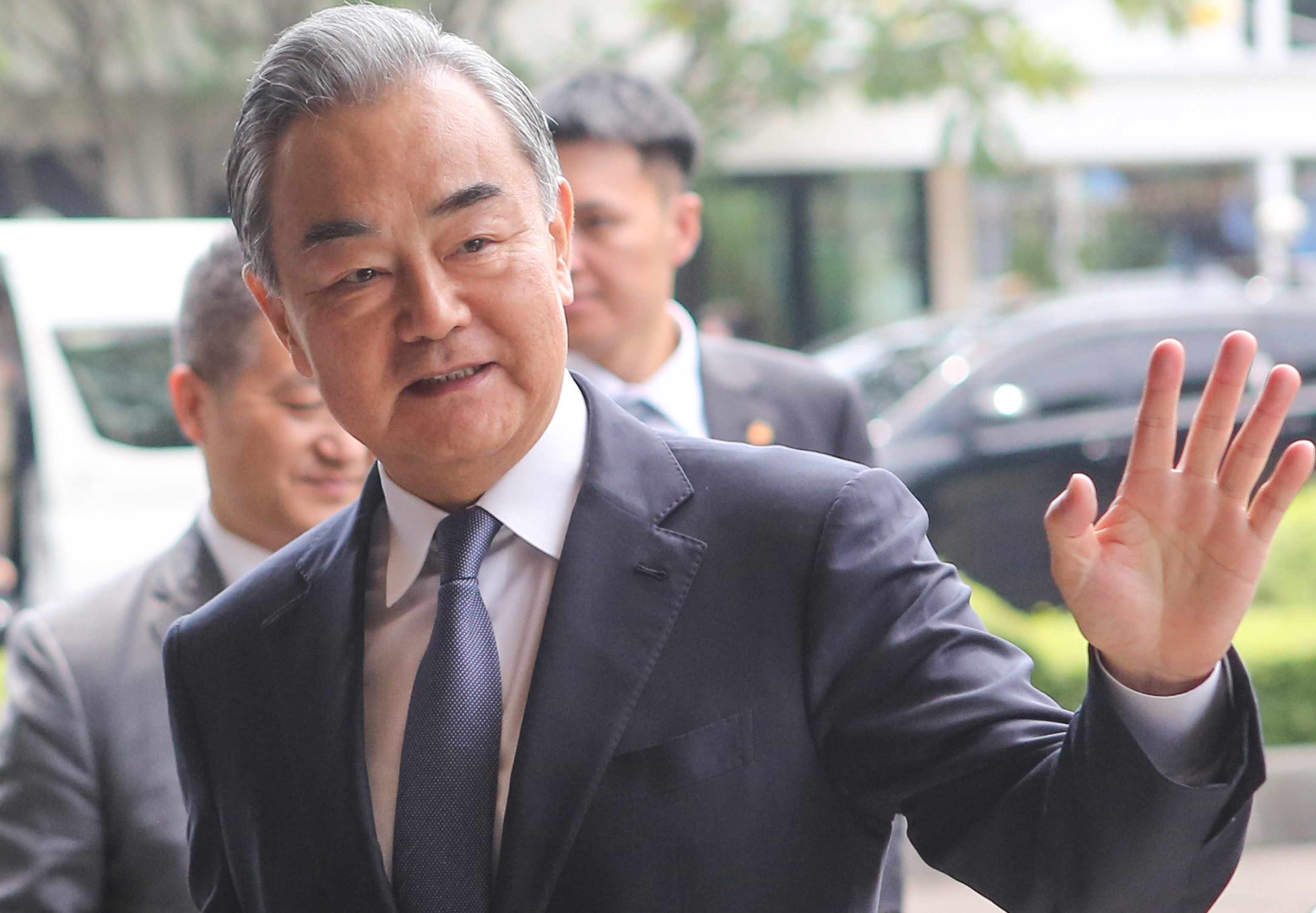
China’s Foreign Minister Wang Yi conducted a series of telephone conversations with foreign ministers from four Islamic nations—Kuwait, Bahrain, Pakistan, and Qatar—to discuss the latest developments in the Middle East region, which is experiencing escalating tensions.
During his conversation with Kuwaiti Foreign Minister Sheikh Jarrah Jaber Al-Ahmad Al-Sabah on Monday, 9 March, Wang Yi expressed appreciation for the consistent stance of Gulf states in promoting the resolution of conflicts through dialogue and negotiation.
“China will continue to work towards peace, and China’s special envoy for Middle East affairs has departed for the region to conduct mediation and will strengthen communication and exchange with Kuwait and other countries,” Wang Yi stated in a written statement on the Chinese Foreign Ministry’s website on Thursday, 12 March.
Wang Yi also highlighted military actions by the United States and Israel against Iran that occurred whilst negotiations between Iran and the US were still ongoing. He noted that such actions lack authorisation from the United Nations and are therefore deemed to violate international law.
Furthermore, he emphasised that the sovereignty, security, and territorial integrity of Gulf states must be fully respected. He also condemned any attacks targeting civilians or non-military targets.
Sheikh Jarrah outlined the latest developments in the regional situation. He affirmed that Kuwait is not directly involved in the war but continues to feel the impact of the conflict in the region.
“Gulf states, including Kuwait, remain committed to resolving disputes through dialogue whilst maintaining their legitimate right to self-defence. Kuwait greatly appreciates China’s position and efforts, and is prepared to strengthen communication and coordination with China to jointly promote the restoration of security and stability in the region,” Sheikh Jarrah stated.
In a separate conversation with Bahraini Foreign Minister Abdullatif bin Rashid Al Zayani on Monday, 9 March, Wang Yi expressed concern over escalating tensions in the Gulf region, including their potential impact on Bahrain’s security.
“As a strategic partner of Gulf states and a responsible major power, China has actively promoted peace and the cessation of war. The way out of the impasse lies in the early resumption of dialogue and negotiation to restore peace,” Wang Yi said.
In response, Al Zayani affirmed Bahrain’s commitment to continuing to support peace efforts and rejecting all forms of illegal attacks.
“Bahrain is ready to cooperate with other Gulf states to enhance communication and coordination with China on bilateral and multilateral platforms, including the UN, to achieve regional peace and stability as soon as possible,” Al Zayani stated.
Wang Yi also spoke with Pakistani Foreign Minister Mohammad Ishaq Dar on Tuesday, 10 March. In that conversation, he expressed his opposition to attacks targeting Gulf states and condemned attacks on civilian facilities.
“China opposes attacks on Gulf states and condemns all attacks on civilian facilities and innocent civilians.”
He also expressed appreciation for Pakistan’s efforts in easing regional tensions.
“China values Pakistan’s mediation efforts to ease regional tensions and is ready to maintain coordination and multilateral and bilateral cooperation with Pakistan, supporting Pakistan in continuing to play a constructive role, and jointly working to restore peace and stability in the region as soon as possible,” Wang Yi said.
Meanwhile, Ishaq Dar outlined Pakistan’s position regarding the situation in Iran and urged all parties to exercise restraint and resolve the crisis through peaceful negotiation.
The two ministers also discussed the border conflict between Pakistan and Afghanistan.
“The top priority is to prevent escalation of the conflict and return to the negotiating table as soon as possible, and China firmly supports Pakistan in its counter-terrorism efforts and hopes that Pakistan will continue to make maximum efforts to ensure the safety of Chinese personnel, projects, and institutions in Pakistan,” Wang Yi stated.
The final conversation was held with Qatar’s Prime Minister and Foreign Minister Sheikh Mohammed bin Abdulrahman Al Thani on Tuesday, 10 March.
On that occasion, Wang Yi affirmed that China, as a permanent member of the UN Security Council, always upholds principles and defends justice in international affairs.
“The continuation of war will only bring losses and will cause greater losses for all parties involved. China calls for an immediate ceasefire and cessation of hostilities, a political resolution to this issue, and supports Gulf states in taking control of the region’s future,” Wang Yi said.
Meanwhile, Al Thani emphasised that Qatar must still take necessary self-defence measures whilst increasing diplomatic efforts to prevent the spread and escalation of the crisis.
Tensions in the region escalated following military action by the United States and Israel on 28 February 2026. The strikes were reported to have killed Iran’s Supreme Leader Ayatollah Ali Khamenei and bombed a girls’ school in southern Iran.
The Iranian government estimates that the death toll from the strikes has now reached more than 1,300 people.