
Chemical Burn Attack Causes Severe Vision Loss for KontraS Deputy Coordinator Andrie Yunus
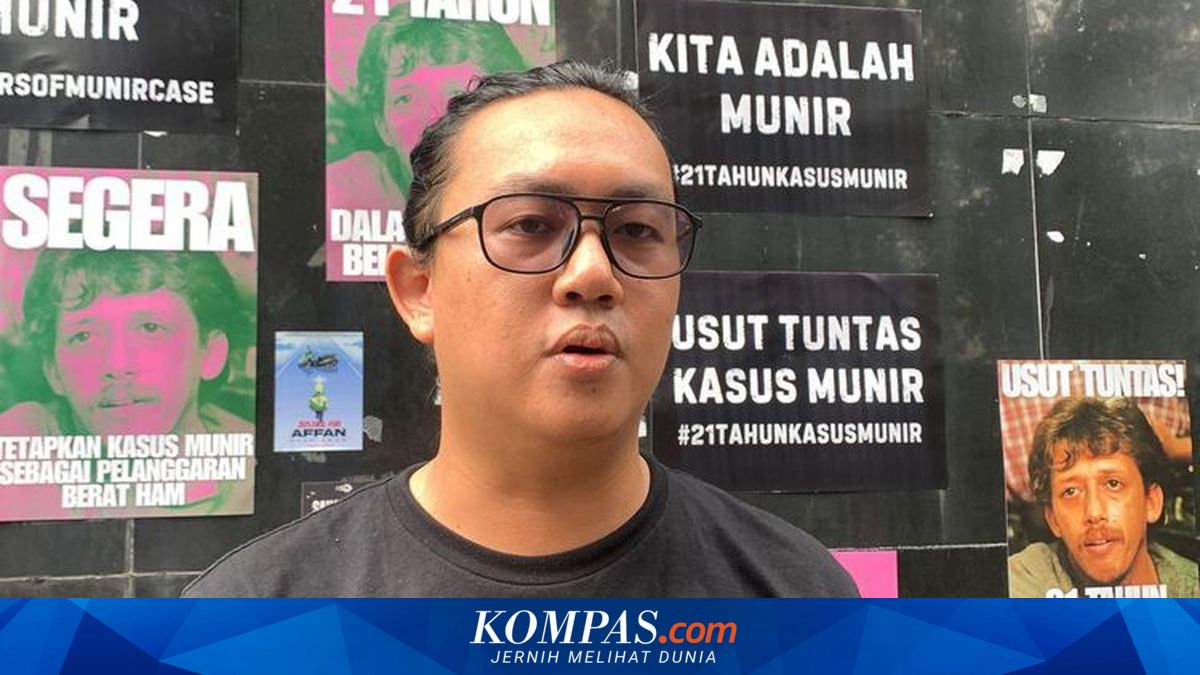
Jakarta — The Dr. Cipto Mangunkusumo National Hospital (RSCM) has disclosed the current condition of Andrie Yunus, Deputy Coordinator of the Commission for Missing Persons and Victims of Violence (KontraS), following an attack in which he was doused with caustic chemical.
One of the consequences is significant vision impairment in his right eye.
Yoga Nara, Legal Manager and Public Relations Officer at RSCM, stated that Andrie sustained a grade-three severity level acute chemical burn to his right eye.
To address this condition, Andrie Yunus underwent tissue debridement on his right eye as well as amniotic membrane transplantation to protect the ocular surface and support the healing process.
Andrie was brought to the RSCM Emergency Department in the early hours of Friday 13 March 2026 at approximately 00.00 WIB, presenting with thermal and chemical burns to his face, neck, chest, back, both arms, and eyes.
Andrie sustained approximately 20 percent body surface area burns.
Upon arrival at the Emergency Department, medical staff immediately conducted initial examinations and stabilisation procedures.
Assessment using pH indicators revealed exposure to acidic chemical substances in the affected areas.
As initial treatment, the medical team performed irrigation or cleansing of the exposed areas to reduce the chemical substance’s effects and normalise tissue condition.
“The team consisted of ophthalmologists, reconstructive plastic surgeons, and emergency medical personnel,” Yoga explained.
“Treatment provided included wound care, antibiotics, anti-inflammatory medication, vitamins, and treatment to maintain controlled intraocular pressure,” he continued.
Yoga confirmed that Andrie Yunus’s general condition has now stabilised and is not life-threatening.
Medical management will continue in stages according to the patient’s clinical progress.